

Więcej o książce
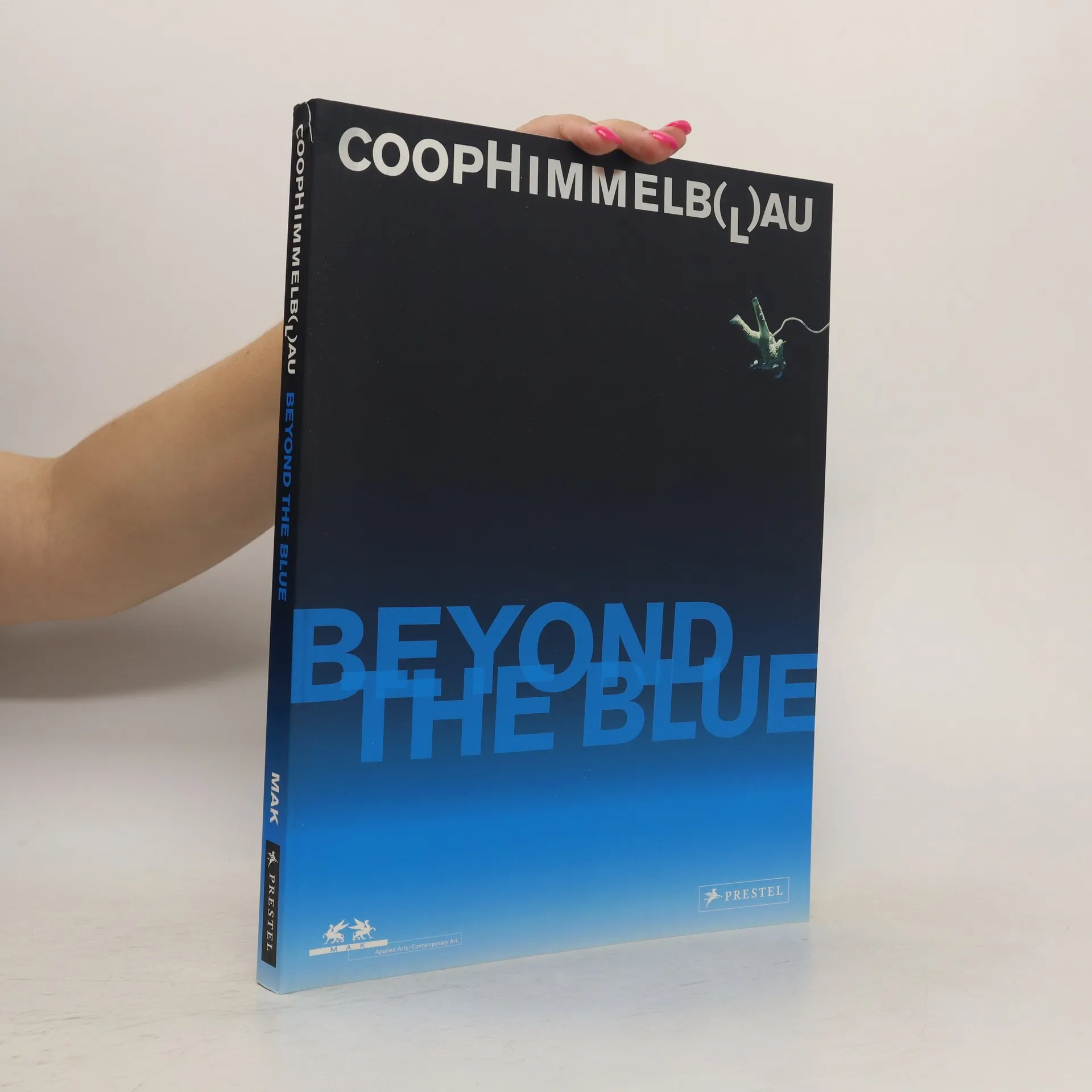
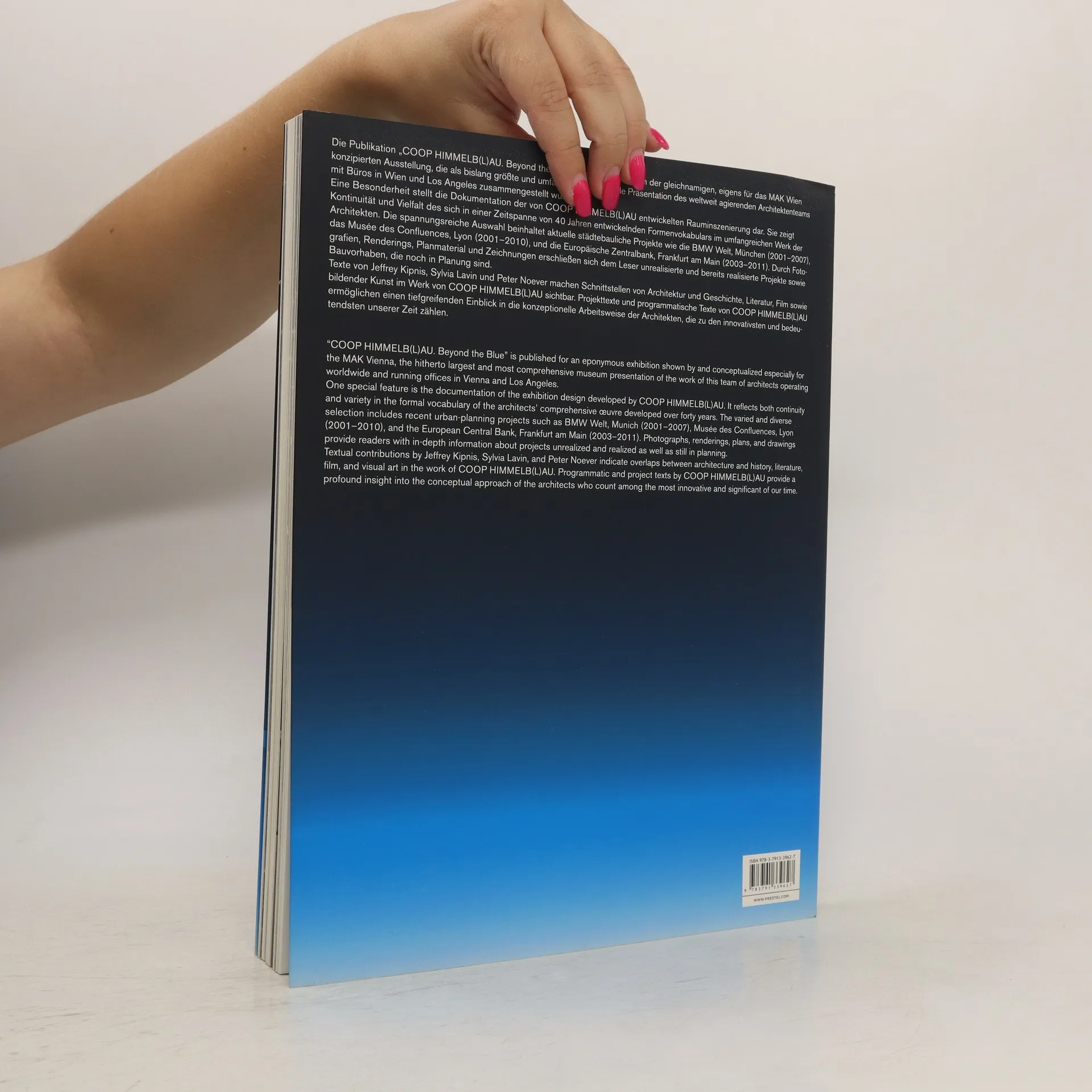
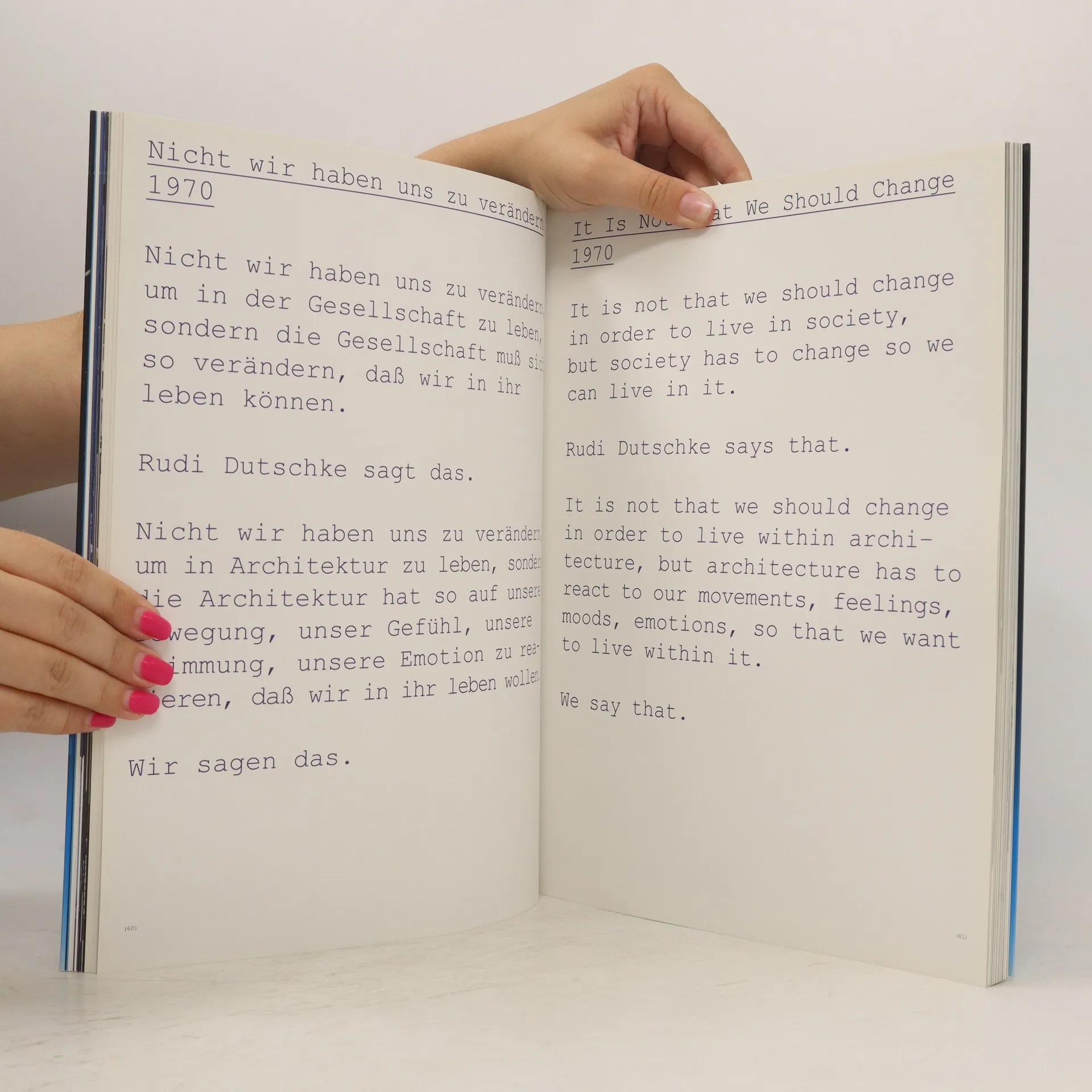
COOP HIMMELB(L)AU, founded in 1968, is among the most innovative and significant architectural firms globally. This catalog, accompanying an exhibition at MAK Wien, showcases numerous international projects by the team, including key buildings like BMW Welt, Musée des Confluences, and the European Central Bank. A highlight of the publication is the presentation of a unique spatial installation developed for MAK, which effectively illustrates the continuity and diversity of the architects' design vocabulary. The firm’s recent urban structures, such as BMW Welt in Munich (2001-07), Musée des Confluences in Lyon (2001-10), and the European Central Bank in Frankfurt (2003-11), are featured through a collection of photographs, renderings, planning materials, and sketches. These materials provide insights into both completed structures and those still in the planning phase. Contributions from Jeffrey Kipnis, Sylvia Lavin, and Peter Noever explore the connections between the firm’s work and broader themes in architecture, history, literature, film, and art. Additionally, project-specific texts from the firm offer a deep dive into their conceptual practices, highlighting their role as pioneers in contemporary architecture.
Zakup książki
Coop Himmelb(l)au, Beyond the blue, Peter Noever
- Język

- Rok wydania
- 2007
- Oprawa
- (miękka)
Metody płatności
Brakuje nam tutaj Twojej recenzji.
- Tytuł
- Coop Himmelb(l)au, Beyond the blue
- Język
- niemiecki
- Autorzy
- Peter Noever
- Wydawca
- Prestel
- Rok wydania
- 2007
- Oprawa
- miękka
- Liczba stron
- 192
- ISBN10
- 3791339621
- ISBN13
- 9783791339627
- Seria
- Kategorie
- Tagi
- Katalogi wystaw
- Ocena
- 3 z 5
- Opis
- COOP HIMMELB(L)AU, founded in 1968, is among the most innovative and significant architectural firms globally. This catalog, accompanying an exhibition at MAK Wien, showcases numerous international projects by the team, including key buildings like BMW Welt, Musée des Confluences, and the European Central Bank. A highlight of the publication is the presentation of a unique spatial installation developed for MAK, which effectively illustrates the continuity and diversity of the architects' design vocabulary. The firm’s recent urban structures, such as BMW Welt in Munich (2001-07), Musée des Confluences in Lyon (2001-10), and the European Central Bank in Frankfurt (2003-11), are featured through a collection of photographs, renderings, planning materials, and sketches. These materials provide insights into both completed structures and those still in the planning phase. Contributions from Jeffrey Kipnis, Sylvia Lavin, and Peter Noever explore the connections between the firm’s work and broader themes in architecture, history, literature, film, and art. Additionally, project-specific texts from the firm offer a deep dive into their conceptual practices, highlighting their role as pioneers in contemporary architecture.