



Więcej o książce
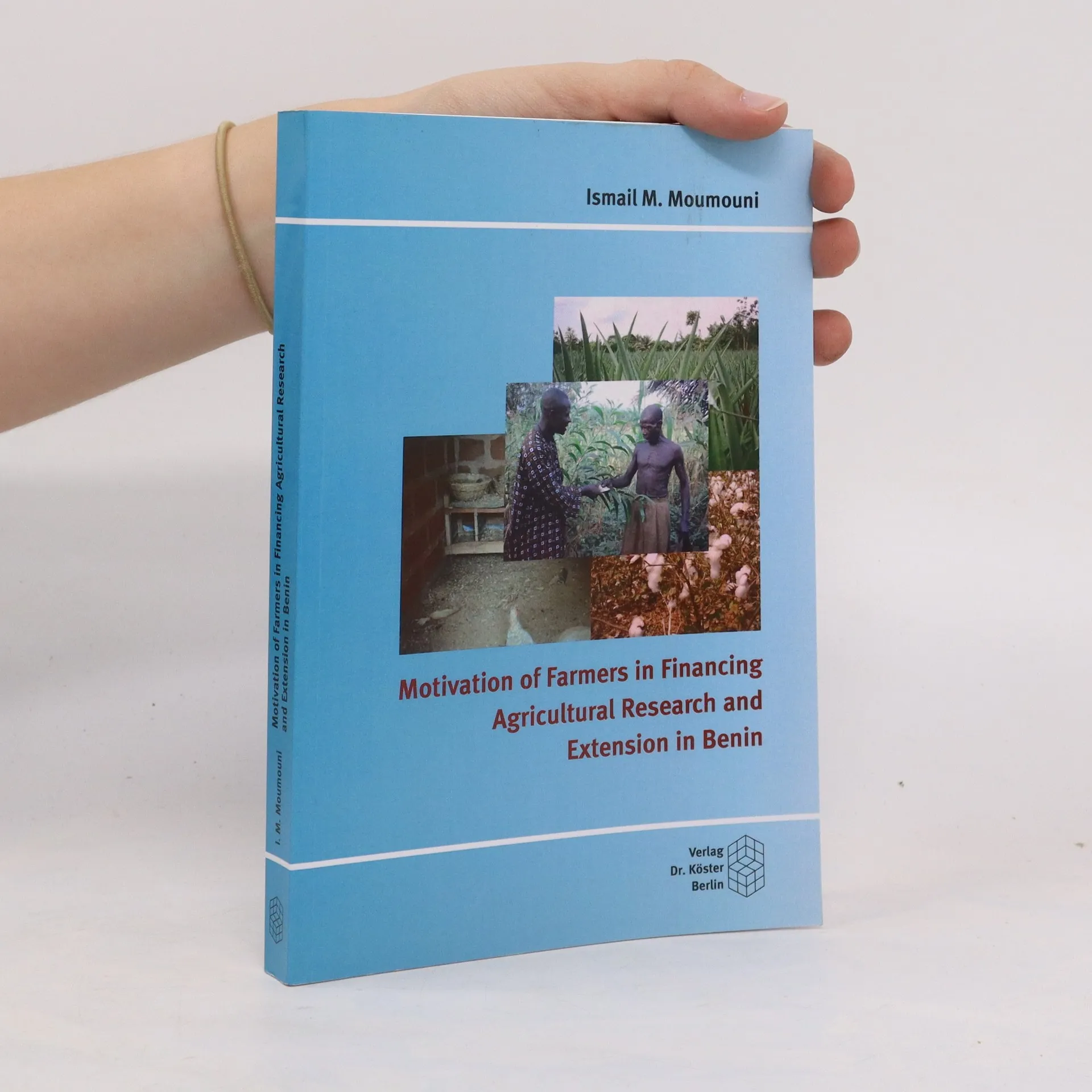
The agricultural services systems have drastically changed since the 1990s in many developing countries. In Benin, a liberalisation reform led to the reduction of public support to research and extension, while farmers’ needs for new technologies rather increased. Farmers are increasingly requested to participate in financing research and extension services with the expectation to promote responsibility and accountability relationships between them and service providers. Many farmers, to a certain extent, are motivated to pay their share during the implementation phase of development projects that promote farmers financial participation. However, this motivation fades away when the projects end. In this book, the author strongly supports the thesis that such a financial participation is not always the reflection of a sense of appropriation of services by farmers. The motivation to pay for services is usually an adaptation strategy of farmers who have been coerced to share the costs of agricultural research and extension. This book is appropriate not only for rural development anthropologists and agriculturalists, but also for national and international agricultural policy makers and development practitioners.
Zakup książki
Motivation of farmers in financing agricultural research and extension in Benin, Ismail M. Moumouni
- Język

- Rok wydania
- 2008
- Oprawa
- (miękka)
Metody płatności
Nikt jeszcze nie ocenił.
- Tytuł
- Motivation of farmers in financing agricultural research and extension in Benin
- Język
- angielski
- Autorzy
- Ismail M. Moumouni
- Wydawca
- Köster
- Rok wydania
- 2008
- Oprawa
- miękka
- Liczba stron
- 231
- ISBN10
- 3895746576
- ISBN13
- 9783895746574
- Seria
- Kategorie
- Opis
- The agricultural services systems have drastically changed since the 1990s in many developing countries. In Benin, a liberalisation reform led to the reduction of public support to research and extension, while farmers’ needs for new technologies rather increased. Farmers are increasingly requested to participate in financing research and extension services with the expectation to promote responsibility and accountability relationships between them and service providers. Many farmers, to a certain extent, are motivated to pay their share during the implementation phase of development projects that promote farmers financial participation. However, this motivation fades away when the projects end. In this book, the author strongly supports the thesis that such a financial participation is not always the reflection of a sense of appropriation of services by farmers. The motivation to pay for services is usually an adaptation strategy of farmers who have been coerced to share the costs of agricultural research and extension. This book is appropriate not only for rural development anthropologists and agriculturalists, but also for national and international agricultural policy makers and development practitioners.