



Więcej o książce
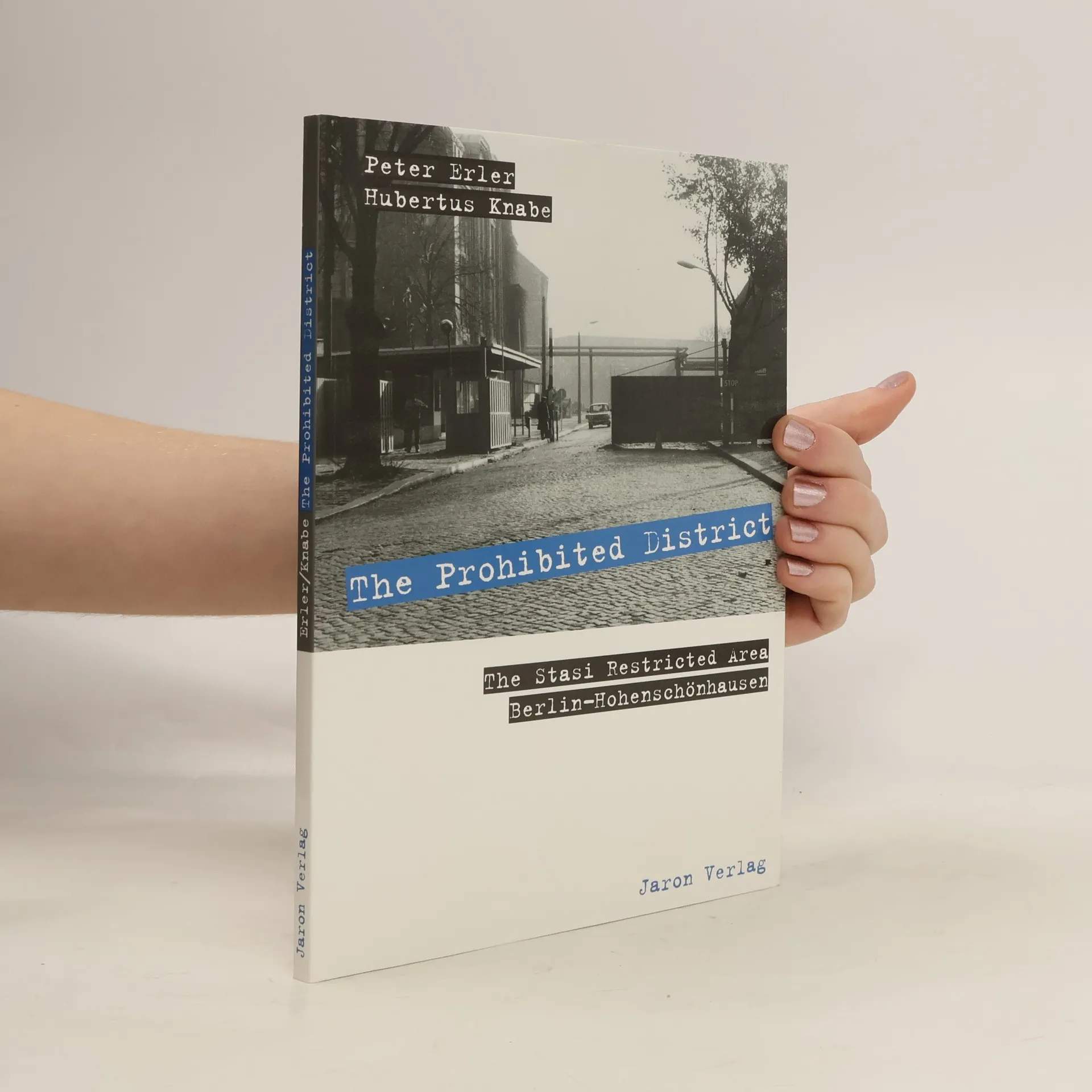
The Berlin-Hohenschönhausen Memorial recalls more vividly than any other site in Berlin the degree of terror and repression that existed in the GDR. The memorial was located on a site that had not been identified on any map in East Germany. This was the area where the State Security Service established its central remand prison in 1951. It was hermetically sealed and carefully monitored. After the war the Soviet occupiers maintained there a camp and later a remand prison. As many as 40,000 people were imprisoned at this site between 1945 and 1990. After the Berlin Wall was erected, most of the inmates were regarded as “deserters of the republic” or “dissidents.” The entire prison complex, which included the notorious “U-Boot” basement cells and the expansive interrogation wing, was designed break down the prisoners’ resistance through psychological methods. In their book “The Prohibited District,” historians Peter Erler und Dr. Hubertus Knabe, director of the memorial, present the first comprehensive description of the restricted area surrounding the Stasi central remand prison. Their book is an important contribution to research on GDR history.
Zakup książki
The prohibited district, Peter Erler
- Język

- Rok wydania
- 2008
- Oprawa
- (miękka)
Metody płatności
Brakuje nam tutaj Twojej recenzji.
- Tytuł
- The prohibited district
- Język
- angielski
- Autorzy
- Peter Erler
- Wydawca
- Jaron
- Rok wydania
- 2008
- Oprawa
- miękka
- Liczba stron
- 96
- ISBN10
- 3897735849
- ISBN13
- 9783897735842
- Seria
- Kategorie
- Tagi
- Ocena
- 3,1 z 5
- Opis
- The Berlin-Hohenschönhausen Memorial recalls more vividly than any other site in Berlin the degree of terror and repression that existed in the GDR. The memorial was located on a site that had not been identified on any map in East Germany. This was the area where the State Security Service established its central remand prison in 1951. It was hermetically sealed and carefully monitored. After the war the Soviet occupiers maintained there a camp and later a remand prison. As many as 40,000 people were imprisoned at this site between 1945 and 1990. After the Berlin Wall was erected, most of the inmates were regarded as “deserters of the republic” or “dissidents.” The entire prison complex, which included the notorious “U-Boot” basement cells and the expansive interrogation wing, was designed break down the prisoners’ resistance through psychological methods. In their book “The Prohibited District,” historians Peter Erler und Dr. Hubertus Knabe, director of the memorial, present the first comprehensive description of the restricted area surrounding the Stasi central remand prison. Their book is an important contribution to research on GDR history.