

Więcej o książce
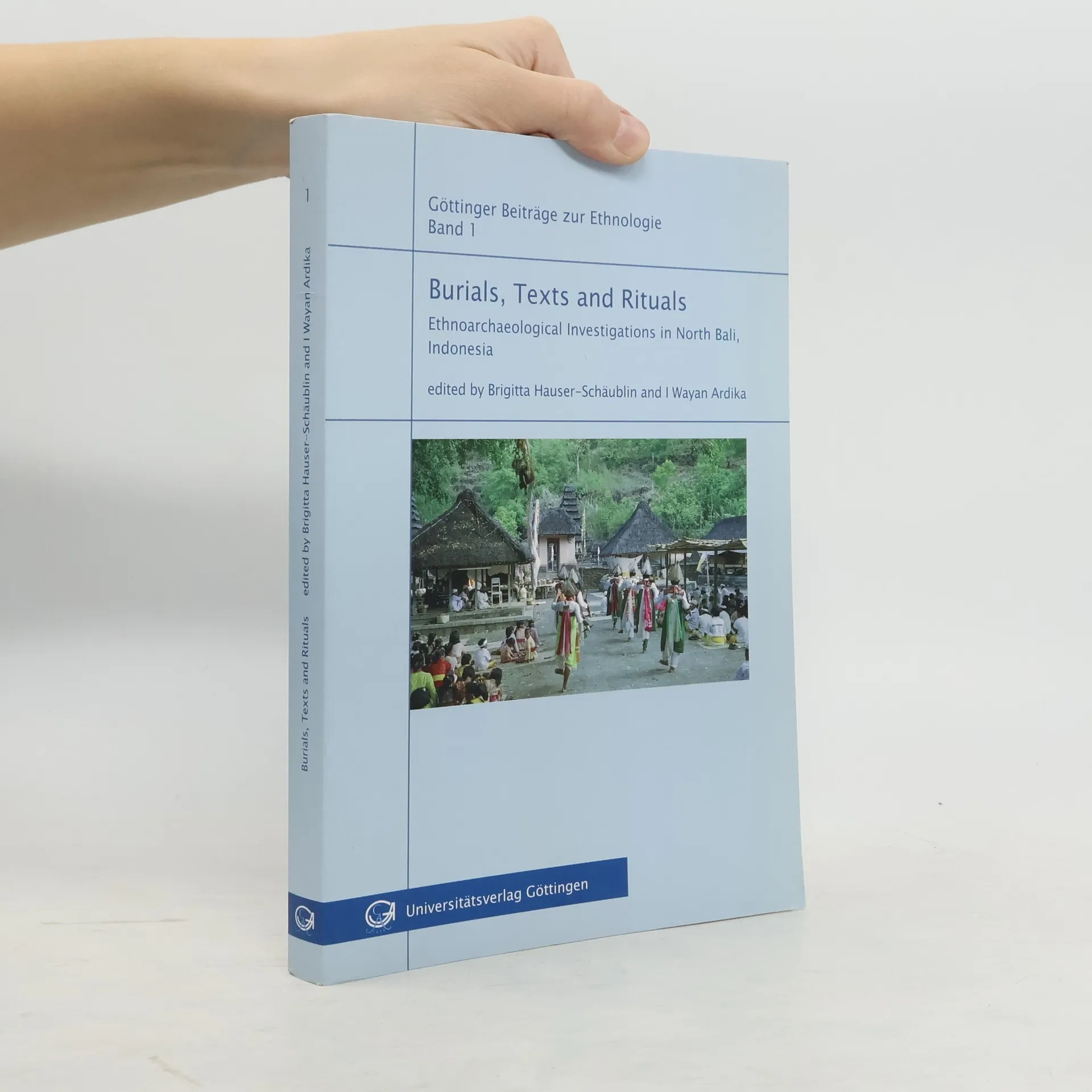
The villages on Bali’s north-east coast have a long history. Archaeological finds have shown that the coastal settlements of Tejakula District enjoyed trading relations with India as long as 2000 years ago or more. Royal decrees dating from the 10th to the 12th century, inscribed on copper tablets and still preserved in the local villages as part of their religious heritage, bear witness to the fact that, over a period of over 1000 years, these played a major role as harbour and trading centres in the transmaritime trade between India and (probably) the Spice Islands. At the same time the inscriptions attest to the complexity in those days of Balinese society, with a hierarchical social organisation headed by a king who resided in the interior – precisely where, nobody knows. The interior was connected to the prosperous coastal settlements through a network of trade and ritual. The questions that faced the German-Balinese research team were first: Was there anything left over of this evidently glorious past? And second: Would our professional anthropological and archaeological research work be able to throw any more light on the vibrant past of these villages? This book is an attempt to answer both these and further questions on Bali’s coastal settlements, their history and culture.
Zakup książki
Burials, texts and rituals, Brigitta Hauser Schäublin
- Język

- Rok wydania
- 2008
- Oprawa
- (miękka)
Metody płatności
Nikt jeszcze nie ocenił.
- Tytuł
- Burials, texts and rituals
- Język
- angielski
- Autorzy
- Brigitta Hauser Schäublin
- Wydawca
- Univ.-Verl. Göttingen
- Rok wydania
- 2008
- Oprawa
- miękka
- Liczba stron
- 298
- ISBN10
- 3940344125
- ISBN13
- 9783940344120
- Seria
- Kategorie
- Tagi
- Opis
- The villages on Bali’s north-east coast have a long history. Archaeological finds have shown that the coastal settlements of Tejakula District enjoyed trading relations with India as long as 2000 years ago or more. Royal decrees dating from the 10th to the 12th century, inscribed on copper tablets and still preserved in the local villages as part of their religious heritage, bear witness to the fact that, over a period of over 1000 years, these played a major role as harbour and trading centres in the transmaritime trade between India and (probably) the Spice Islands. At the same time the inscriptions attest to the complexity in those days of Balinese society, with a hierarchical social organisation headed by a king who resided in the interior – precisely where, nobody knows. The interior was connected to the prosperous coastal settlements through a network of trade and ritual. The questions that faced the German-Balinese research team were first: Was there anything left over of this evidently glorious past? And second: Would our professional anthropological and archaeological research work be able to throw any more light on the vibrant past of these villages? This book is an attempt to answer both these and further questions on Bali’s coastal settlements, their history and culture.