


Więcej o książce
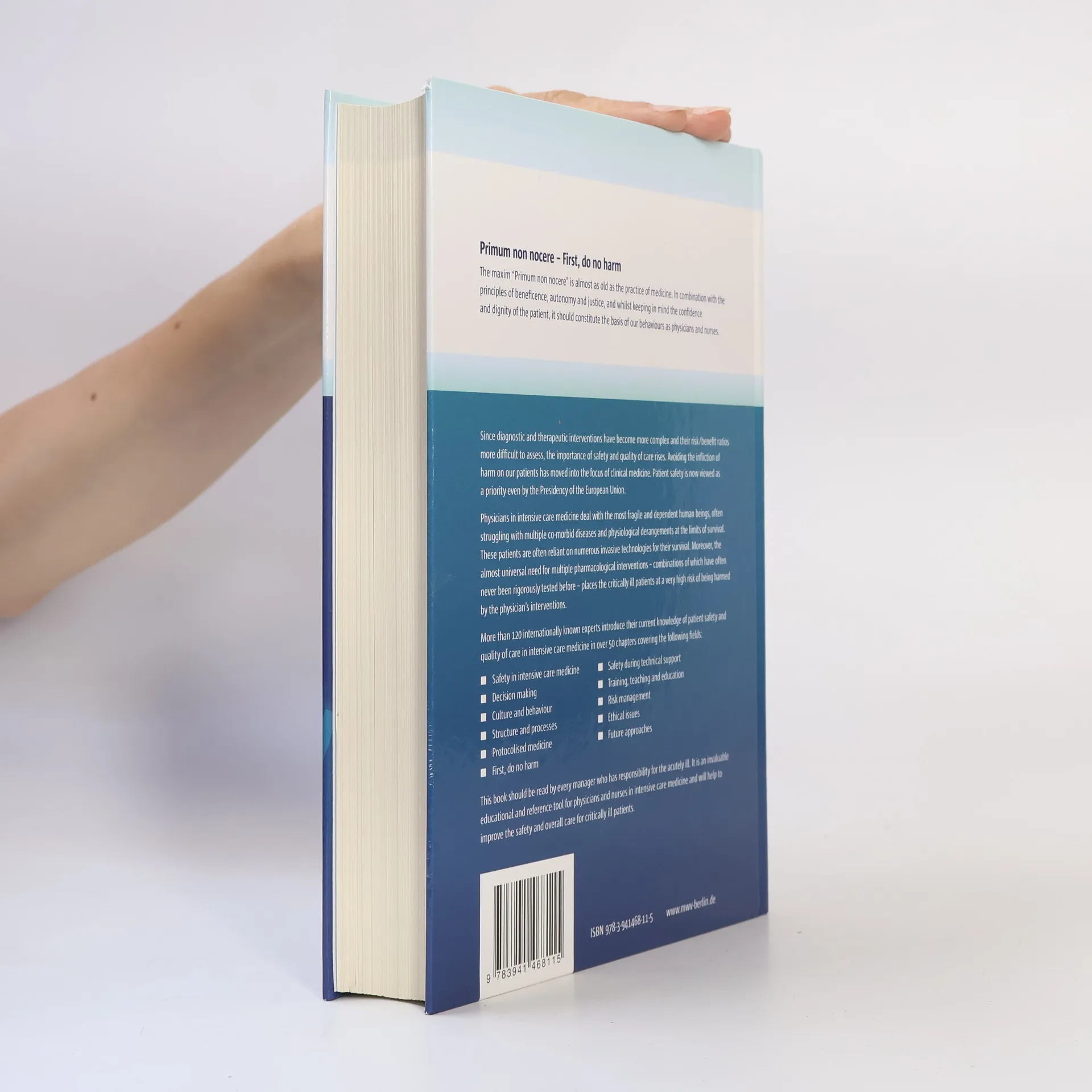
The maxim “Primum non nocere” has long been a cornerstone of medical practice, emphasizing the importance of not causing harm. Alongside beneficence, autonomy, and justice, it should guide the actions of healthcare professionals while respecting patient dignity. As diagnostic and therapeutic interventions grow more complex, the assessment of risk versus benefit becomes increasingly challenging, highlighting the need for safety and quality in care. Patient safety has emerged as a priority, recognized even at the highest levels of governance, such as the Presidency of the European Union. In intensive care, physicians face the challenge of treating vulnerable patients with multiple co-morbidities, often reliant on invasive technologies and untested drug combinations, which heightens the risk of harm. Over 120 internationally recognized experts contribute to this comprehensive resource, covering essential topics such as safety in intensive care, decision-making, culture, protocolized medicine, risk management, and ethical considerations. This book serves as an essential educational and reference tool for managers, physicians, and nurses in intensive care, aiming to enhance the safety and quality of care for critically ill patients.
Zakup książki
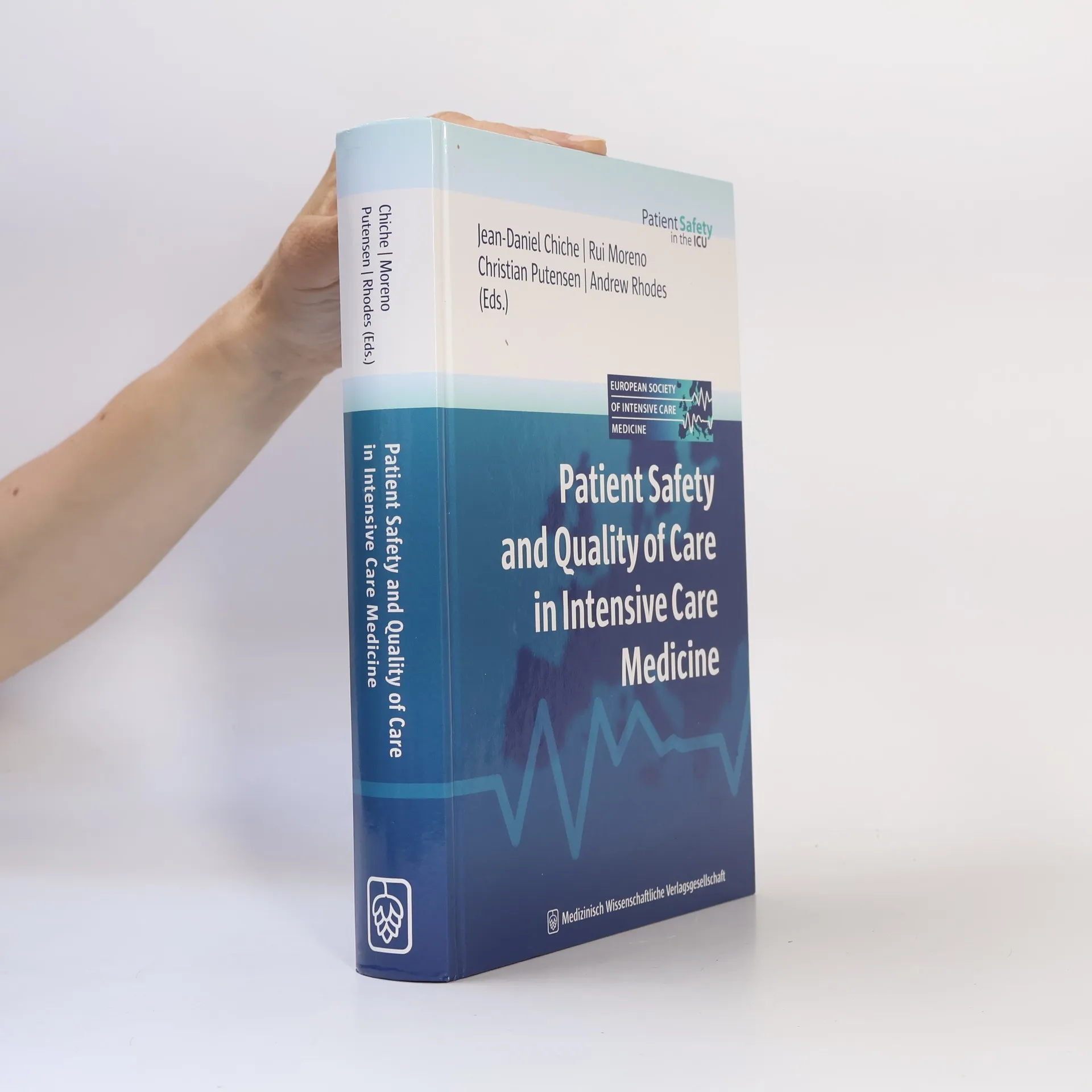
Patient Safety and Quality of Care in Intensive Care Medicine, Jean-Daniel Chiche, Rui Moreno, Christian Putensen, Andrew Rhodes
- Język

- Rok wydania
- 2009
- Oprawa
- (twarda),
- Stan książki
- Dobry
- Cena
- 17,65 zł
Metody płatności
Nikt jeszcze nie ocenił.
- Tytuł
- Patient Safety and Quality of Care in Intensive Care Medicine
- Język
- angielski
- Wydawca
- Med. Wiss. Verl.-Ges.
- Rok wydania
- 2009
- Oprawa
- twarda
- Liczba stron
- 572
- ISBN10
- 3941468111
- ISBN13
- 9783941468115
- Seria
- Kategorie
- Opis
- The maxim “Primum non nocere” has long been a cornerstone of medical practice, emphasizing the importance of not causing harm. Alongside beneficence, autonomy, and justice, it should guide the actions of healthcare professionals while respecting patient dignity. As diagnostic and therapeutic interventions grow more complex, the assessment of risk versus benefit becomes increasingly challenging, highlighting the need for safety and quality in care. Patient safety has emerged as a priority, recognized even at the highest levels of governance, such as the Presidency of the European Union. In intensive care, physicians face the challenge of treating vulnerable patients with multiple co-morbidities, often reliant on invasive technologies and untested drug combinations, which heightens the risk of harm. Over 120 internationally recognized experts contribute to this comprehensive resource, covering essential topics such as safety in intensive care, decision-making, culture, protocolized medicine, risk management, and ethical considerations. This book serves as an essential educational and reference tool for managers, physicians, and nurses in intensive care, aiming to enhance the safety and quality of care for critically ill patients.