



Więcej o książce
Amid the hype surrounding trendy IT techniques, data processing remains central to systems, especially as enterprises face surging data volumes. Database performance has become a significant concern, with many IT departments believing developers should write simple SQL code for immediate issues, leaving DBAs to address any inefficiencies later. In this insightful work, the author argues that this "safe approach" can lead to disaster. Quick, inefficient code often persists for years, surviving multiple database management system updates and hardware generations. Therefore, SQL code must be efficient from the outset, necessitating a solid grasp of SQL and relational theory. The book emphasizes best practices, encouraging experienced SQL users to prioritize strategy over specifics. Drawing parallels to military campaigns, the author highlights the importance of knowledge, skills, and the nurturing of talent through shared experiences. Good architectural choices should account for potential contingencies, such as unexpected increases in data volume or user numbers. While the approach may be unconventional, the author is serious about the importance of writing effective SQL. This work is not merely a cookbook of solutions; instead, it aims to inspire thought-provoking questions for both readers and their managers.
Zakup książki
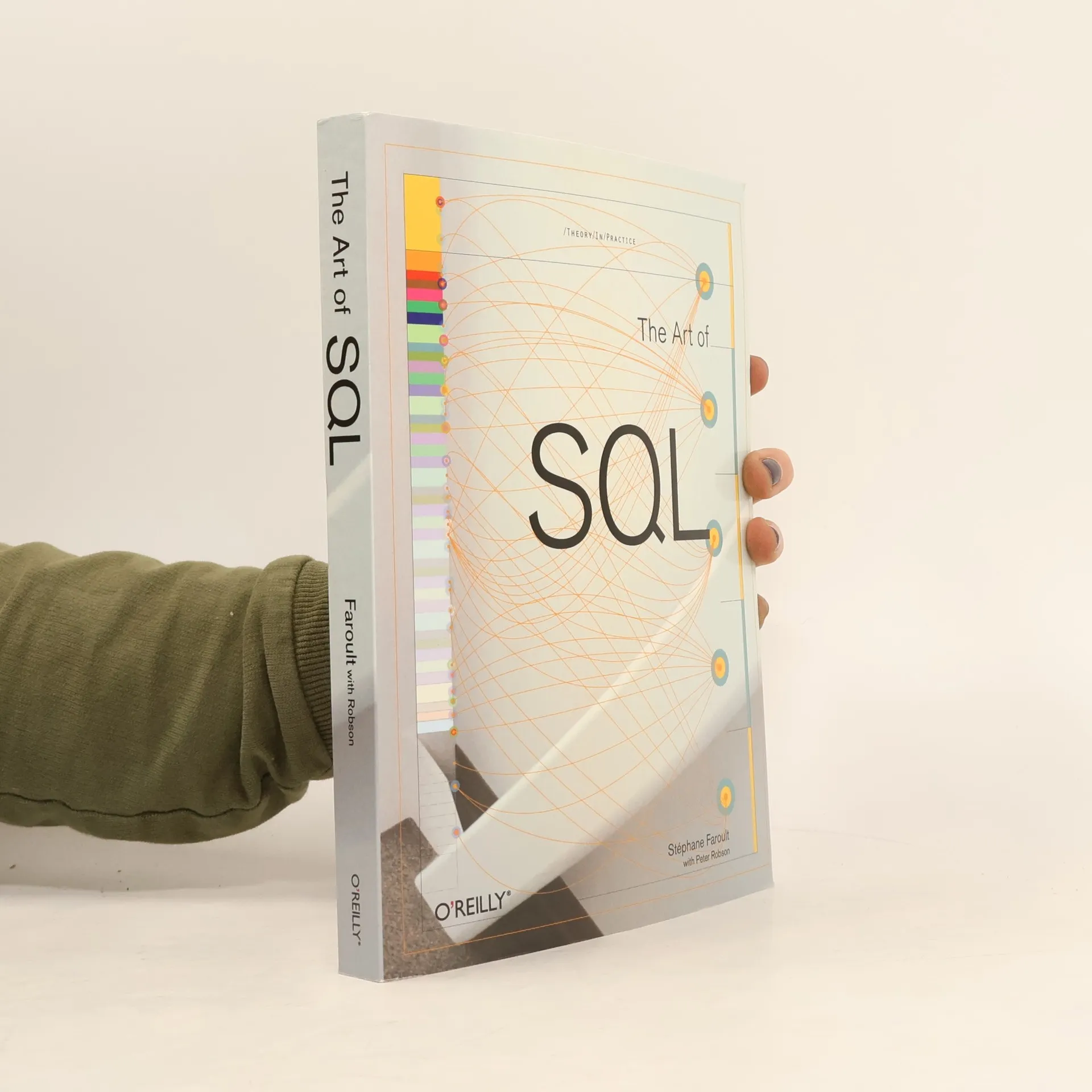
The Art of SQL, Stephane Faroult, Peter Robson
- Język

- Rok wydania
- 2006
- Oprawa
- (miękka)
Metody płatności
Brakuje nam tutaj Twojej recenzji.
- Tytuł
- The Art of SQL
- Język
- angielski
- Autorzy
- Stephane Faroult, Peter Robson
- Wydawca
- O'Reilly Media
- Rok wydania
- 2006
- Oprawa
- miękka
- Liczba stron
- 349
- ISBN10
- 0596008945
- ISBN13
- 9780596008949
- Seria
- Tagi
- Poradniki, Technologia
- Ocena
- 3,95 z 5
- Opis
- Amid the hype surrounding trendy IT techniques, data processing remains central to systems, especially as enterprises face surging data volumes. Database performance has become a significant concern, with many IT departments believing developers should write simple SQL code for immediate issues, leaving DBAs to address any inefficiencies later. In this insightful work, the author argues that this "safe approach" can lead to disaster. Quick, inefficient code often persists for years, surviving multiple database management system updates and hardware generations. Therefore, SQL code must be efficient from the outset, necessitating a solid grasp of SQL and relational theory. The book emphasizes best practices, encouraging experienced SQL users to prioritize strategy over specifics. Drawing parallels to military campaigns, the author highlights the importance of knowledge, skills, and the nurturing of talent through shared experiences. Good architectural choices should account for potential contingencies, such as unexpected increases in data volume or user numbers. While the approach may be unconventional, the author is serious about the importance of writing effective SQL. This work is not merely a cookbook of solutions; instead, it aims to inspire thought-provoking questions for both readers and their managers.