

Więcej o książce
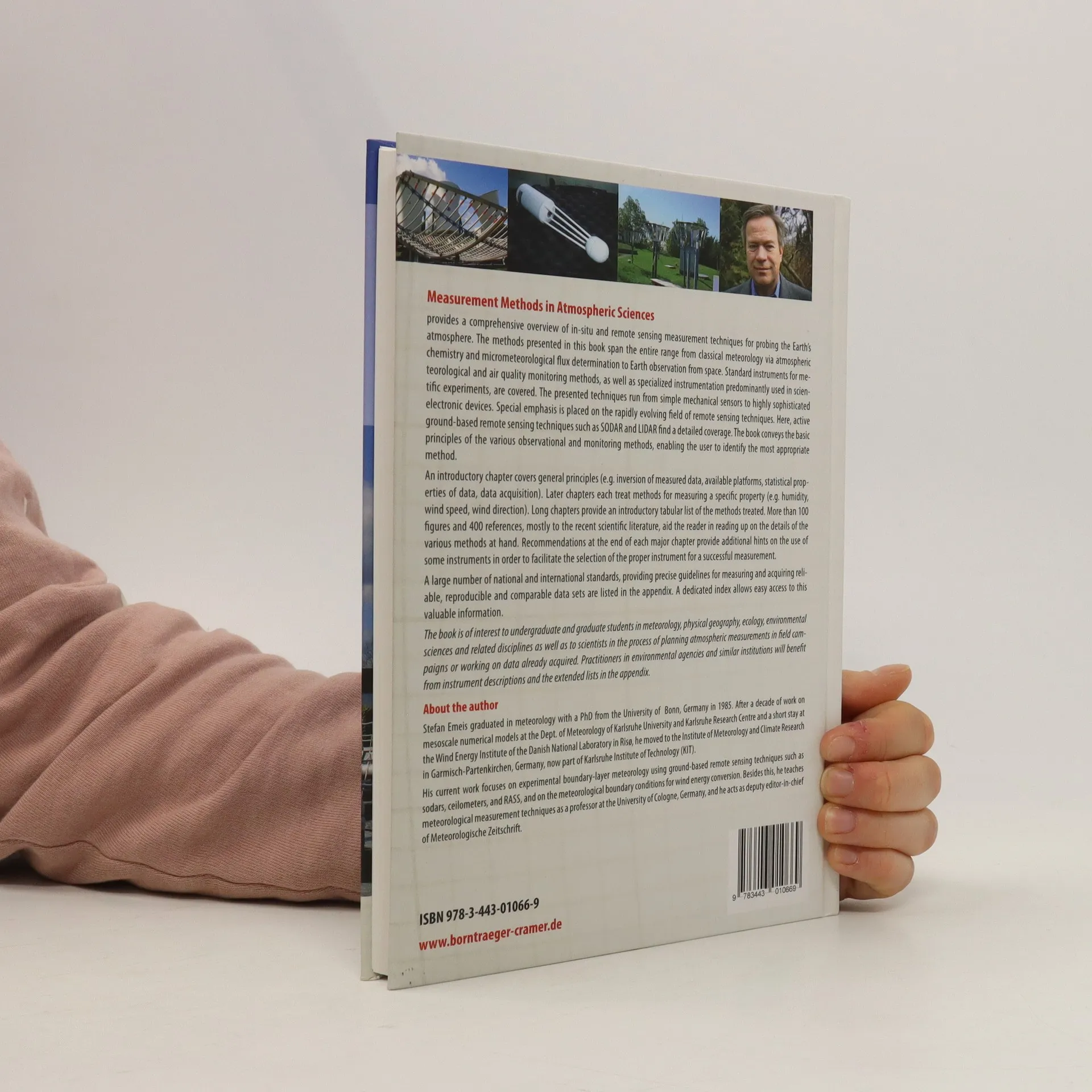
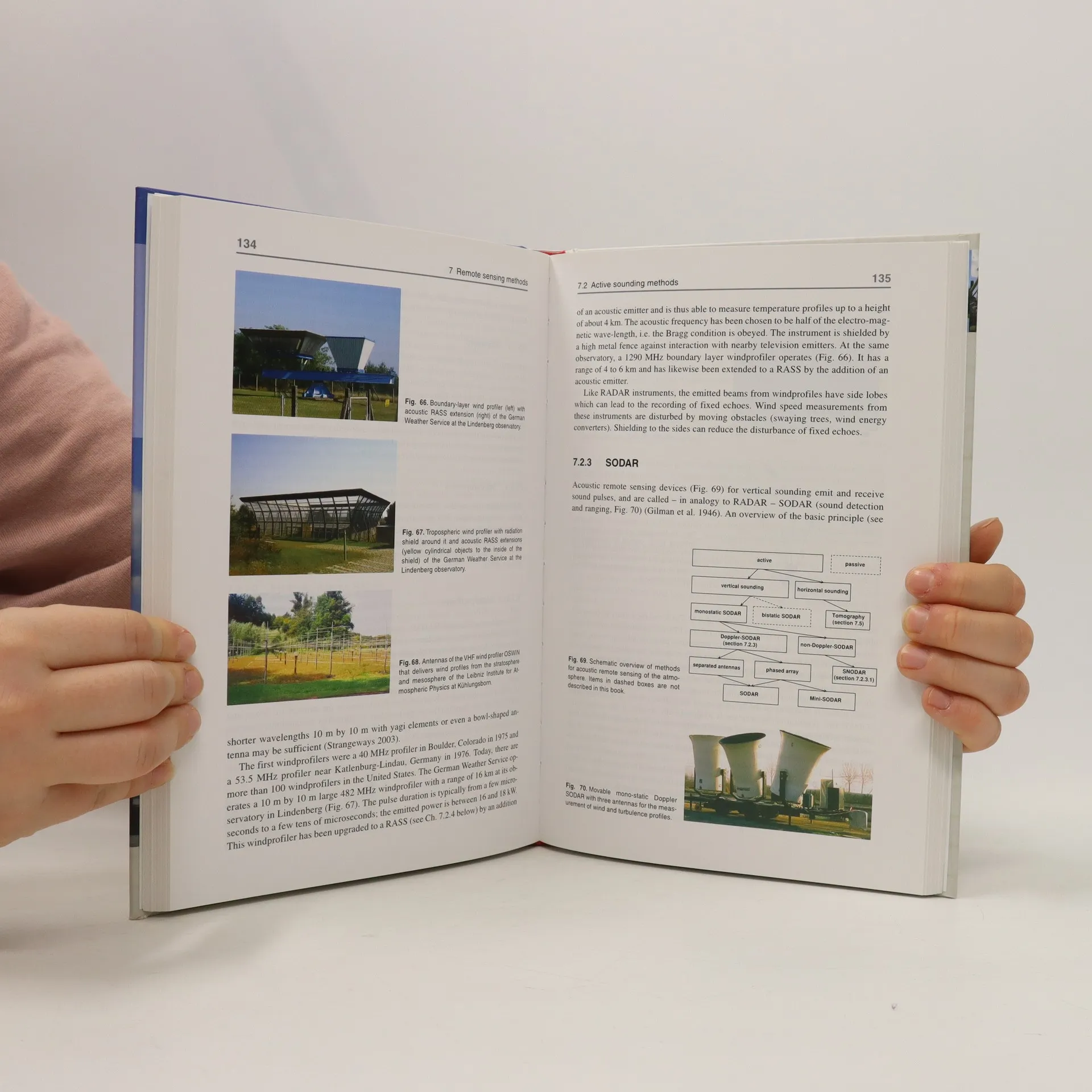
This comprehensive overview explores in-situ and remote sensing measurement techniques for probing the Earth's atmosphere, covering methods from classical meteorology to atmospheric chemistry and Earth observation from space. It includes standard instruments for meteorological and air quality monitoring, as well as specialized equipment used in scientific experiments, ranging from simple mechanical sensors to advanced electronic devices. The book emphasizes rapidly evolving remote sensing techniques, detailing active ground-based methods like SODAR and LIDAR. An introductory chapter outlines general principles, such as data inversion and acquisition, while subsequent chapters focus on specific properties like humidity and wind speed. Each major chapter features a tabular list of methods, over 100 figures, and more than 400 references to recent scientific literature. Recommendations at the end of chapters assist in selecting appropriate instruments for successful measurements. The appendix lists numerous national and international standards for reliable data collection, and a dedicated index facilitates easy access to information. Aimed at undergraduate and graduate students in meteorological and atmospheric sciences, as well as practitioners in environmental agencies, the book serves as a valuable resource for planning atmospheric measurements and working with existing data.
Zakup książki
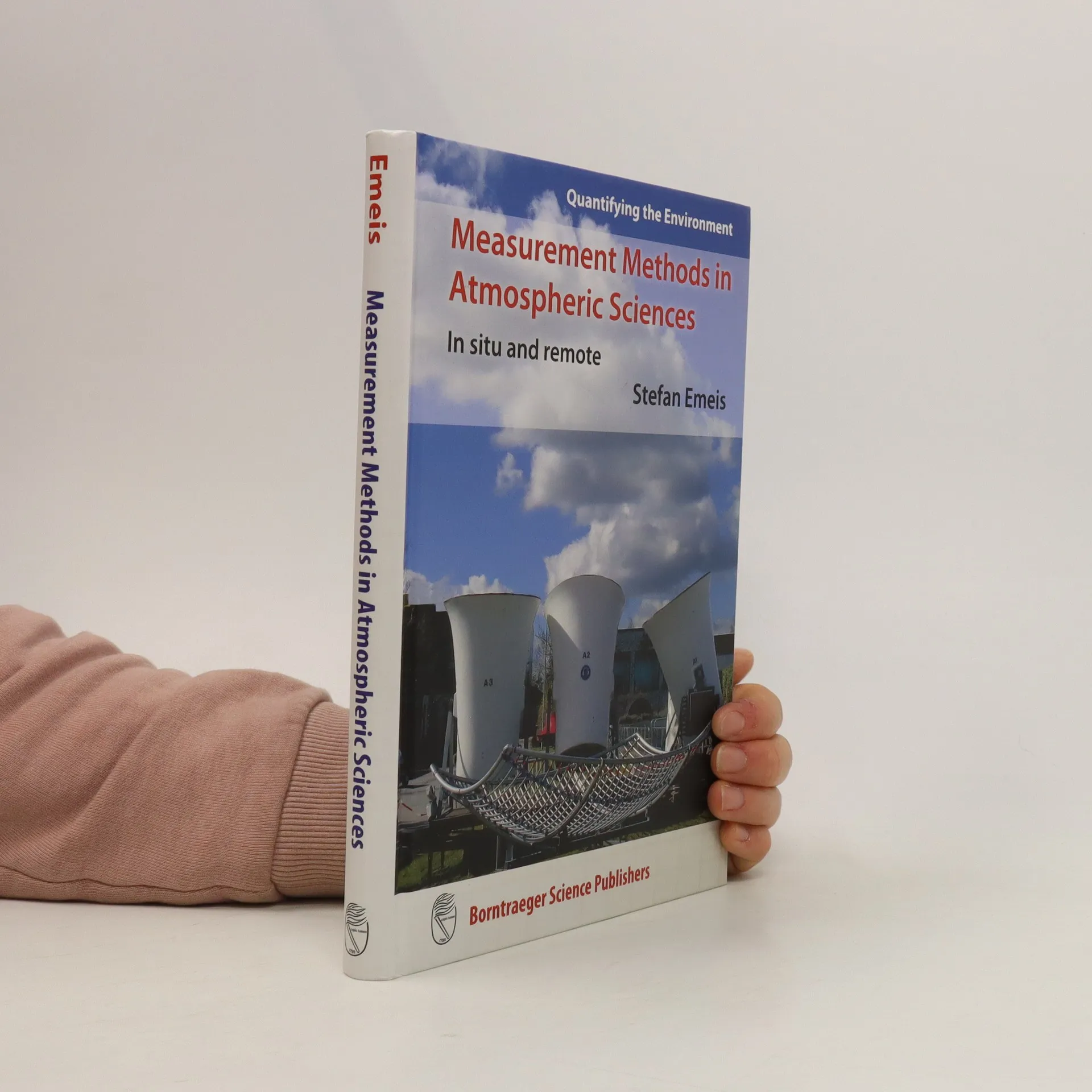
Measurement methods in atmospheric sciences, Stefan Emeis
- Język

- Rok wydania
- 2010
- Oprawa
- (twarda)
Metody płatności
Nikt jeszcze nie ocenił.
- Tytuł
- Measurement methods in atmospheric sciences
- Język
- angielski
- Autorzy
- Stefan Emeis
- Wydawca
- Borntraeger
- Rok wydania
- 2010
- Oprawa
- twarda
- Liczba stron
- 257
- ISBN10
- 3443010660
- ISBN13
- 9783443010669
- Seria
- Tagi
- Opis
- This comprehensive overview explores in-situ and remote sensing measurement techniques for probing the Earth's atmosphere, covering methods from classical meteorology to atmospheric chemistry and Earth observation from space. It includes standard instruments for meteorological and air quality monitoring, as well as specialized equipment used in scientific experiments, ranging from simple mechanical sensors to advanced electronic devices. The book emphasizes rapidly evolving remote sensing techniques, detailing active ground-based methods like SODAR and LIDAR. An introductory chapter outlines general principles, such as data inversion and acquisition, while subsequent chapters focus on specific properties like humidity and wind speed. Each major chapter features a tabular list of methods, over 100 figures, and more than 400 references to recent scientific literature. Recommendations at the end of chapters assist in selecting appropriate instruments for successful measurements. The appendix lists numerous national and international standards for reliable data collection, and a dedicated index facilitates easy access to information. Aimed at undergraduate and graduate students in meteorological and atmospheric sciences, as well as practitioners in environmental agencies, the book serves as a valuable resource for planning atmospheric measurements and working with existing data.