

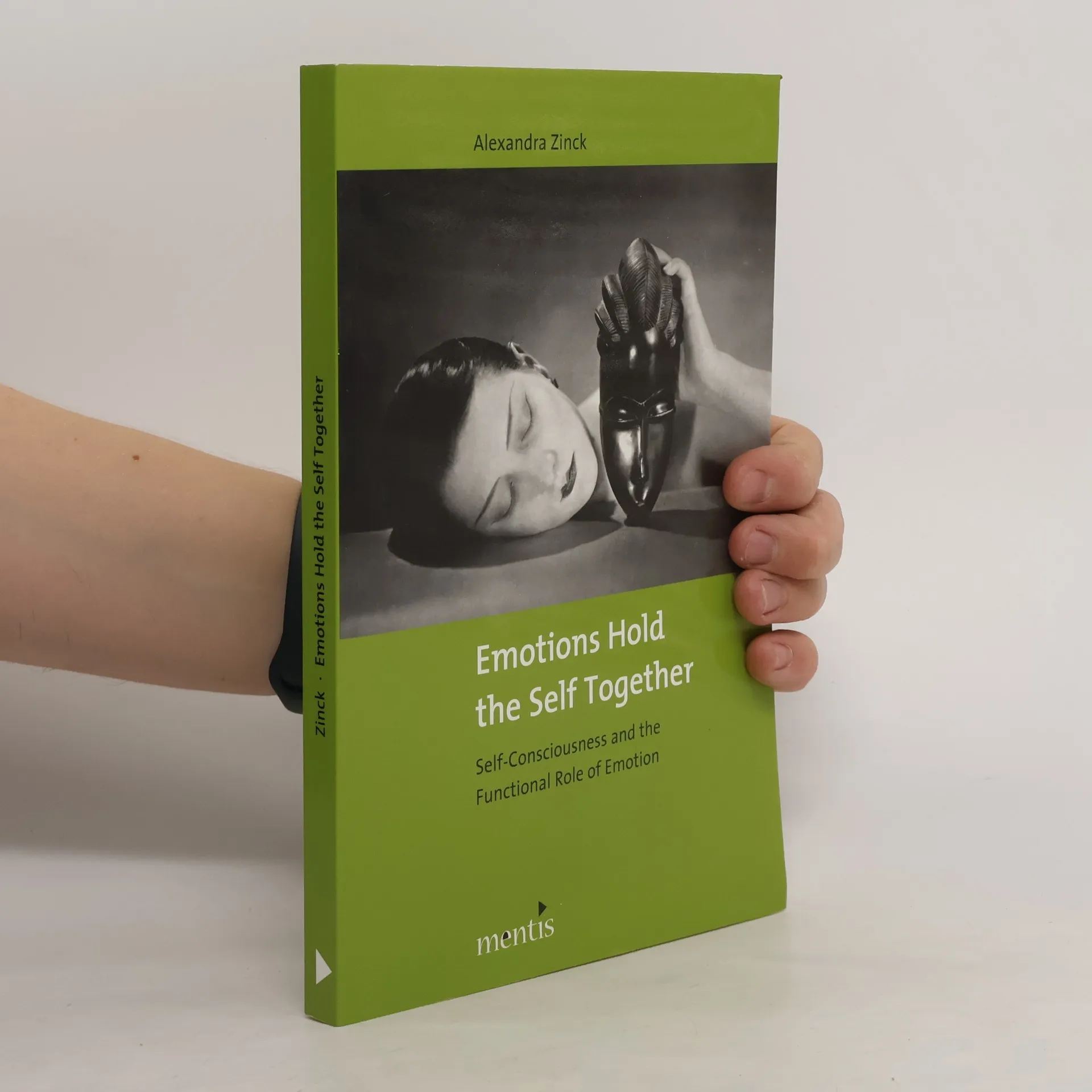


Więcej o książce
While classical philosophy of mind regards cognitive faculties, such as consciousness, attention and emotions, as autonomous modalities, modern neuroscience teaches us that these should be considered with respect to the experiencing self. Fear, anger, joy or sadness should not be considered as distinct phenomena but in relation to the self which experiences them on the one hand and expresses them on the other. This book endeavours to draw a framework of self-referential emotions as a plane in which the self is active. Using notions from classical and modern analytical philosophy of mind as well as findings from cognitive psychology and neuroscience, the main idea presented here is that emotions, and self-referential emotions in particular, are essential for the constitution of the self. Emotions provide the self with evaluative information about the self’s faring in the world. Moreover, by facilitating communication with other 'selves', emotions further promote understanding of other’s evaluations of the self, enhancing the development of a self-concept and conscious self-experience. It is proposed that highly salient emotional self-reference and evaluative self-experience are at the core of various levels of self-consciousness. Self-referential emotions therefore might have implications for understanding one’s behavior as well as its breakdown in various pathologies such as in Autism spectrum disorder and affective disorders.
Zakup książki
Emotions hold the self together, Alexandra Zinck
- Język

- Rok wydania
- 2011
- Oprawa
- (miękka)
Metody płatności
Nikt jeszcze nie ocenił.
- Tytuł
- Emotions hold the self together
- Podtytuł
- Self-Consciousness and the Functional Role of Emotion
- Język
- angielski
- Autorzy
- Alexandra Zinck
- Wydawca
- Mentis
- Rok wydania
- 2011
- Oprawa
- miękka
- Liczba stron
- 185
- ISBN10
- 3897857049
- ISBN13
- 9783897857049
- Seria
- Opis
- While classical philosophy of mind regards cognitive faculties, such as consciousness, attention and emotions, as autonomous modalities, modern neuroscience teaches us that these should be considered with respect to the experiencing self. Fear, anger, joy or sadness should not be considered as distinct phenomena but in relation to the self which experiences them on the one hand and expresses them on the other. This book endeavours to draw a framework of self-referential emotions as a plane in which the self is active. Using notions from classical and modern analytical philosophy of mind as well as findings from cognitive psychology and neuroscience, the main idea presented here is that emotions, and self-referential emotions in particular, are essential for the constitution of the self. Emotions provide the self with evaluative information about the self’s faring in the world. Moreover, by facilitating communication with other 'selves', emotions further promote understanding of other’s evaluations of the self, enhancing the development of a self-concept and conscious self-experience. It is proposed that highly salient emotional self-reference and evaluative self-experience are at the core of various levels of self-consciousness. Self-referential emotions therefore might have implications for understanding one’s behavior as well as its breakdown in various pathologies such as in Autism spectrum disorder and affective disorders.