

Więcej o książce
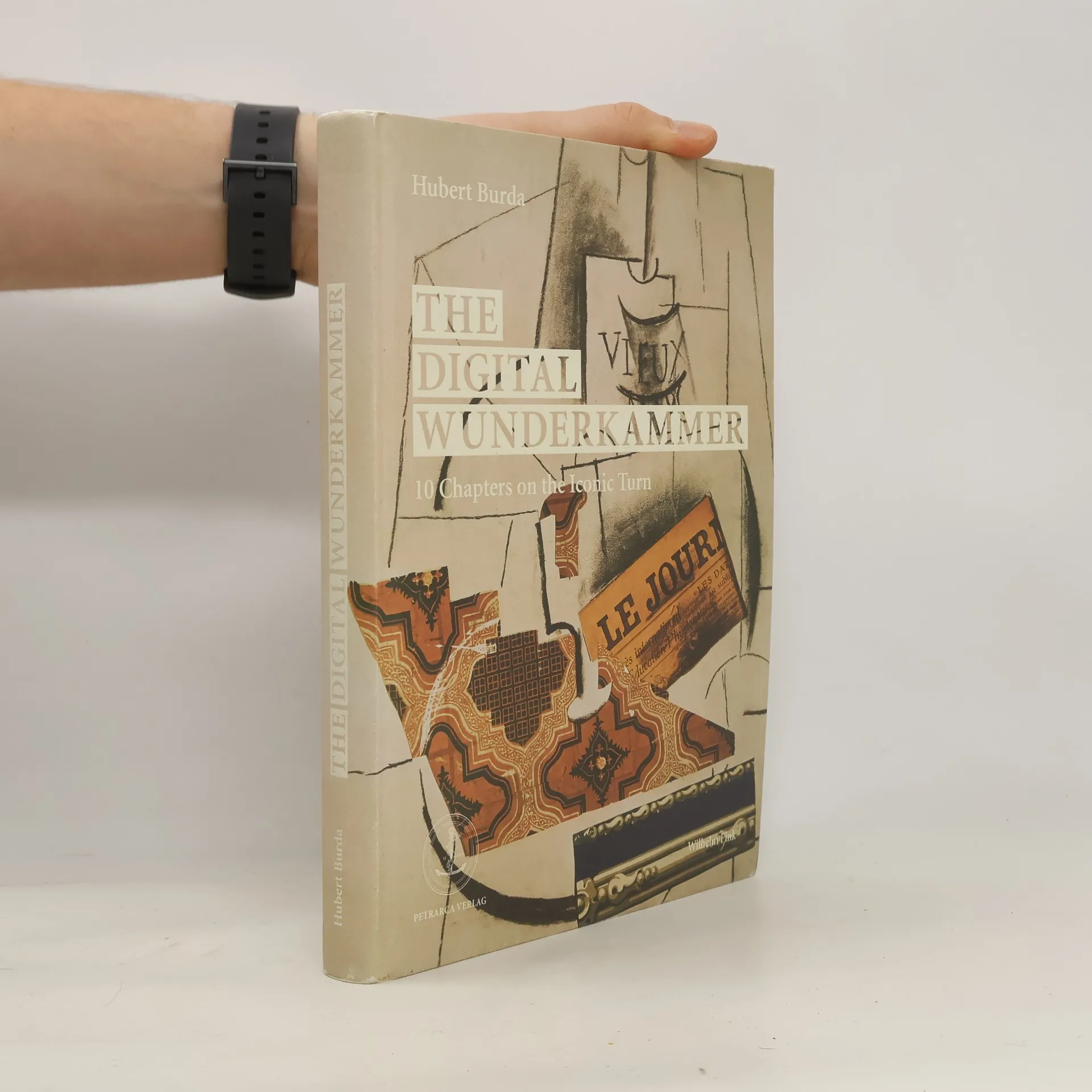
The digitisation of images has yielded another push. Via television and the Internet, images today can be received simultaneously throughout the world. The Internet represents the first individualized medium, in that every person has the option to load their own images. The mechanical generation of images, in this sense technical images that come about in the computer in line with constantly updated algorithms, has fundamentally changed the importance of the image. But what, actually, are images? What function do they have in their respective contexts? Which images still fulfill the traditional concept of an image, as shaped by art history, and how does that concept need to change in order that the phenomenon of the »Iconic Turn« can be analysed at all? What significance does this abundance of new images have for our perception?
Zakup książki
The digital wunderkammer, Hubert Burda
- Język

- Rok wydania
- 2011
- Oprawa
- (twarda)
Metody płatności
Brakuje nam tutaj Twojej recenzji.
- Tytuł
- The digital wunderkammer
- Język
- angielski
- Autorzy
- Hubert Burda
- Wydawca
- Petrarca-Verl.
- Rok wydania
- 2011
- Oprawa
- twarda
- Liczba stron
- 201
- ISBN10
- 3770551931
- ISBN13
- 9783770551934
- Seria
- Kategorie
- Tagi
- Ocena
- 2,65 z 5
- Opis
- The digitisation of images has yielded another push. Via television and the Internet, images today can be received simultaneously throughout the world. The Internet represents the first individualized medium, in that every person has the option to load their own images. The mechanical generation of images, in this sense technical images that come about in the computer in line with constantly updated algorithms, has fundamentally changed the importance of the image. But what, actually, are images? What function do they have in their respective contexts? Which images still fulfill the traditional concept of an image, as shaped by art history, and how does that concept need to change in order that the phenomenon of the »Iconic Turn« can be analysed at all? What significance does this abundance of new images have for our perception?