

Parametry
Więcej o książce
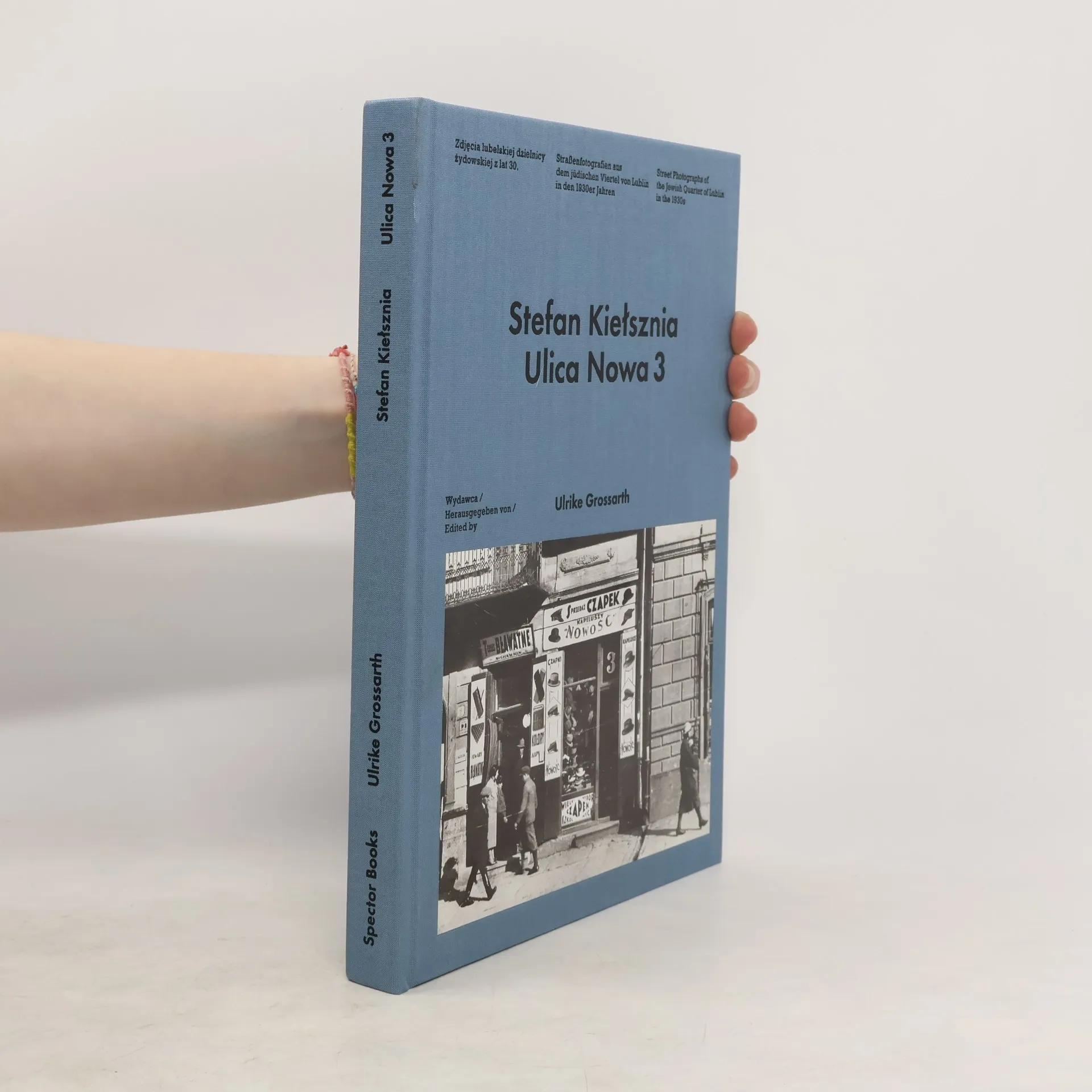
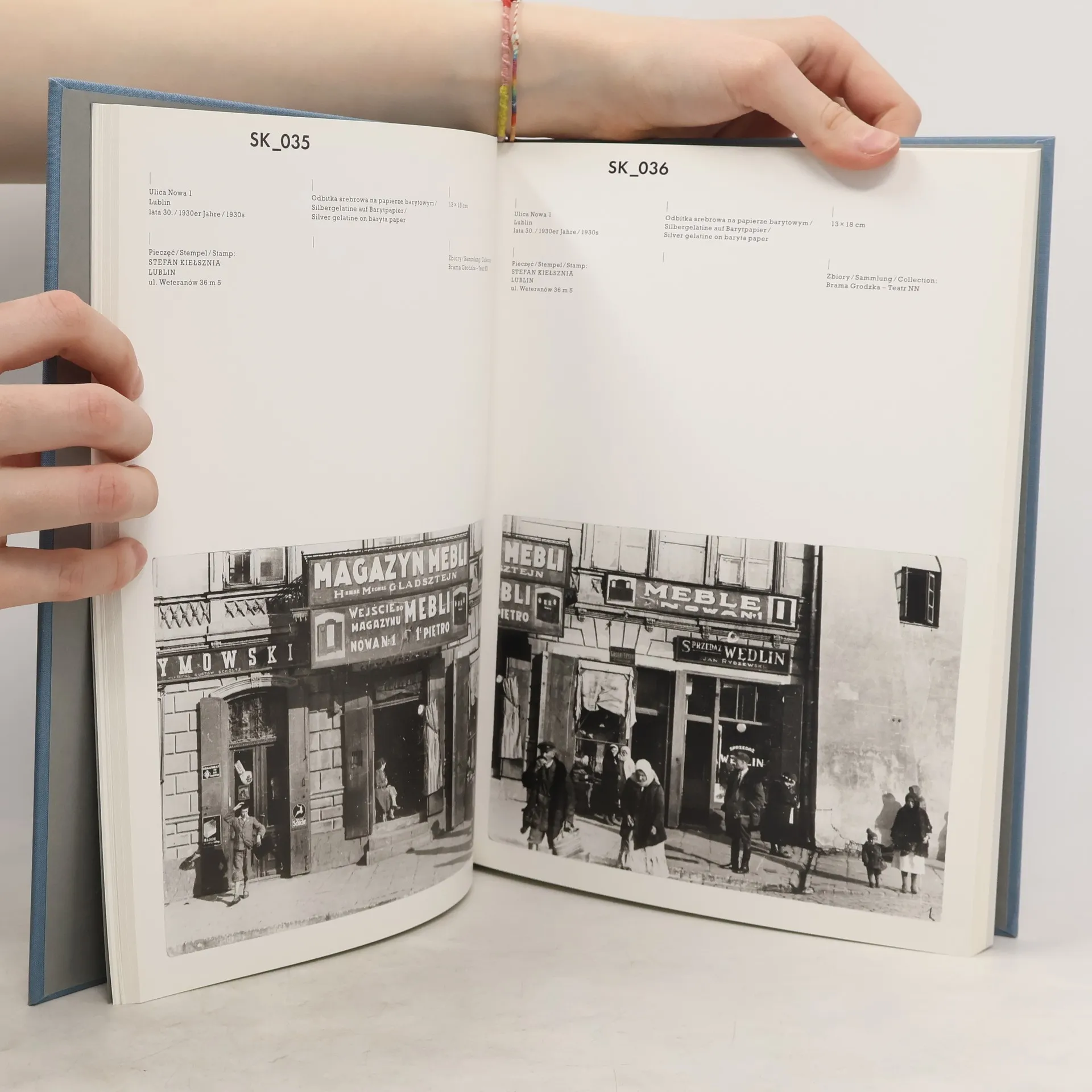
In the mid-1930s, Polish photographer Stefan Kiełsznia captured five streets in Lublin's Jewish quarter, documenting the lower levels of buildings filled with small bars, shops, and workshops. His detailed images reveal shop displays and hand-painted signs, alongside the faces of hurried passersby, showcasing their clothing and movements. This vivid portrayal of everyday life creates a unique atmosphere in each photograph, making Kiełsznia’s series an invaluable record of Polish-Jewish life just before the Holocaust. The publication 'Ulica Nowa 3', initiated by artist Ulrike Grossarth, serves as a comprehensive catalogue of Kiełsznia's work, presenting all 145 surviving images in print for the first time. Accompanying essays provide insights into the historical context of these photographs and the rich Jewish history of Lublin, enhancing the viewer's understanding of the captured moments and the significance of this 'record of the everyday.'
Zakup książki
Stefan Kiełsznia, Ulica Nowa 3, Piotr Adamczyk
- Język

- Rok wydania
- 2011
- Oprawa
- (twarda)
Metody płatności
Nikt jeszcze nie ocenił.
- Tytuł
- Stefan Kiełsznia, Ulica Nowa 3
- Język
- polski
- Autorzy
- Piotr Adamczyk
- Wydawca
- Spector Books
- Rok wydania
- 2011
- Oprawa
- twarda
- ISBN10
- 3940064157
- ISBN13
- 9783940064158
- Seria
- Tagi
- Opis
- In the mid-1930s, Polish photographer Stefan Kiełsznia captured five streets in Lublin's Jewish quarter, documenting the lower levels of buildings filled with small bars, shops, and workshops. His detailed images reveal shop displays and hand-painted signs, alongside the faces of hurried passersby, showcasing their clothing and movements. This vivid portrayal of everyday life creates a unique atmosphere in each photograph, making Kiełsznia’s series an invaluable record of Polish-Jewish life just before the Holocaust. The publication 'Ulica Nowa 3', initiated by artist Ulrike Grossarth, serves as a comprehensive catalogue of Kiełsznia's work, presenting all 145 surviving images in print for the first time. Accompanying essays provide insights into the historical context of these photographs and the rich Jewish history of Lublin, enhancing the viewer's understanding of the captured moments and the significance of this 'record of the everyday.'