

Parametry
- 72 strony
- 3 godziny czytania
Więcej o książce
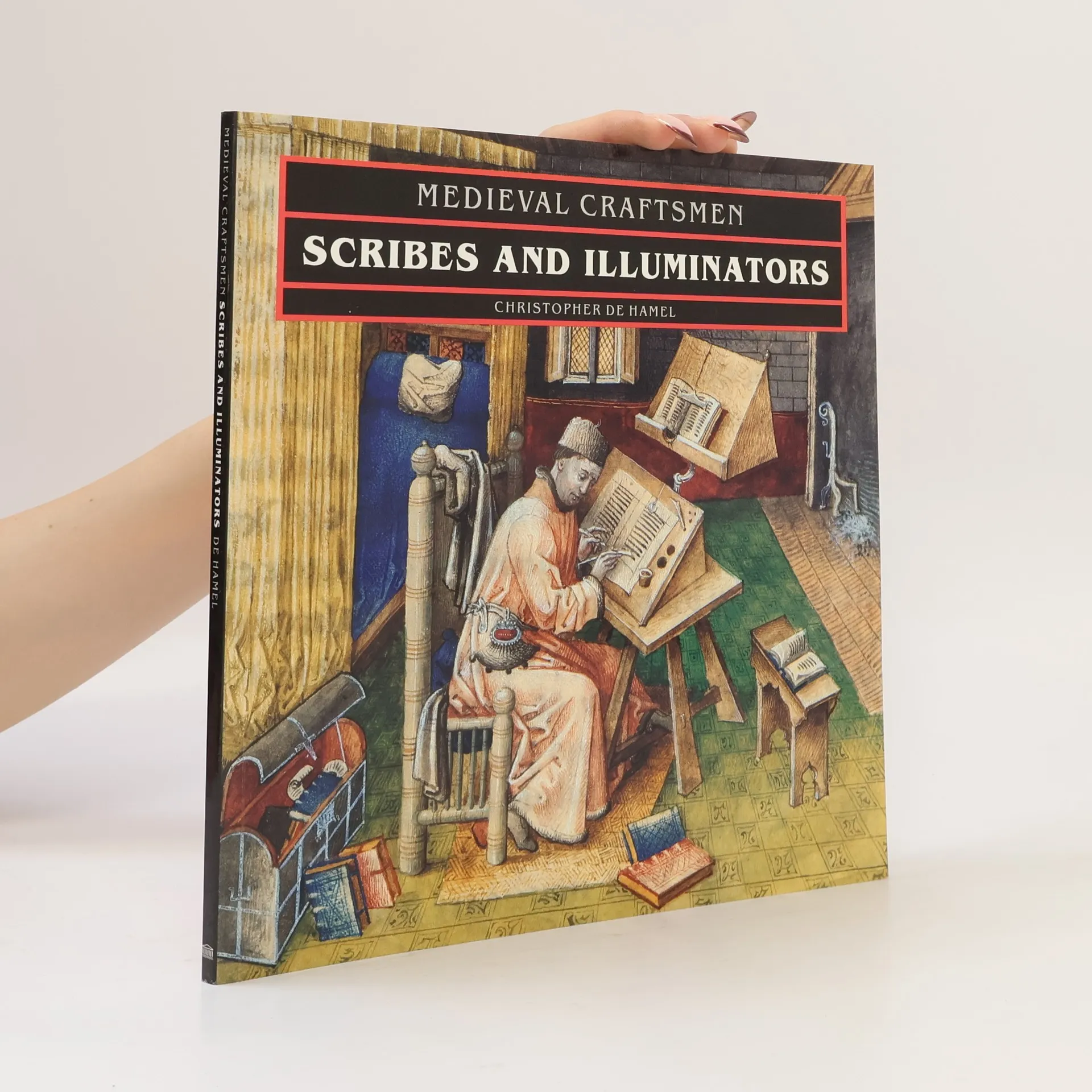
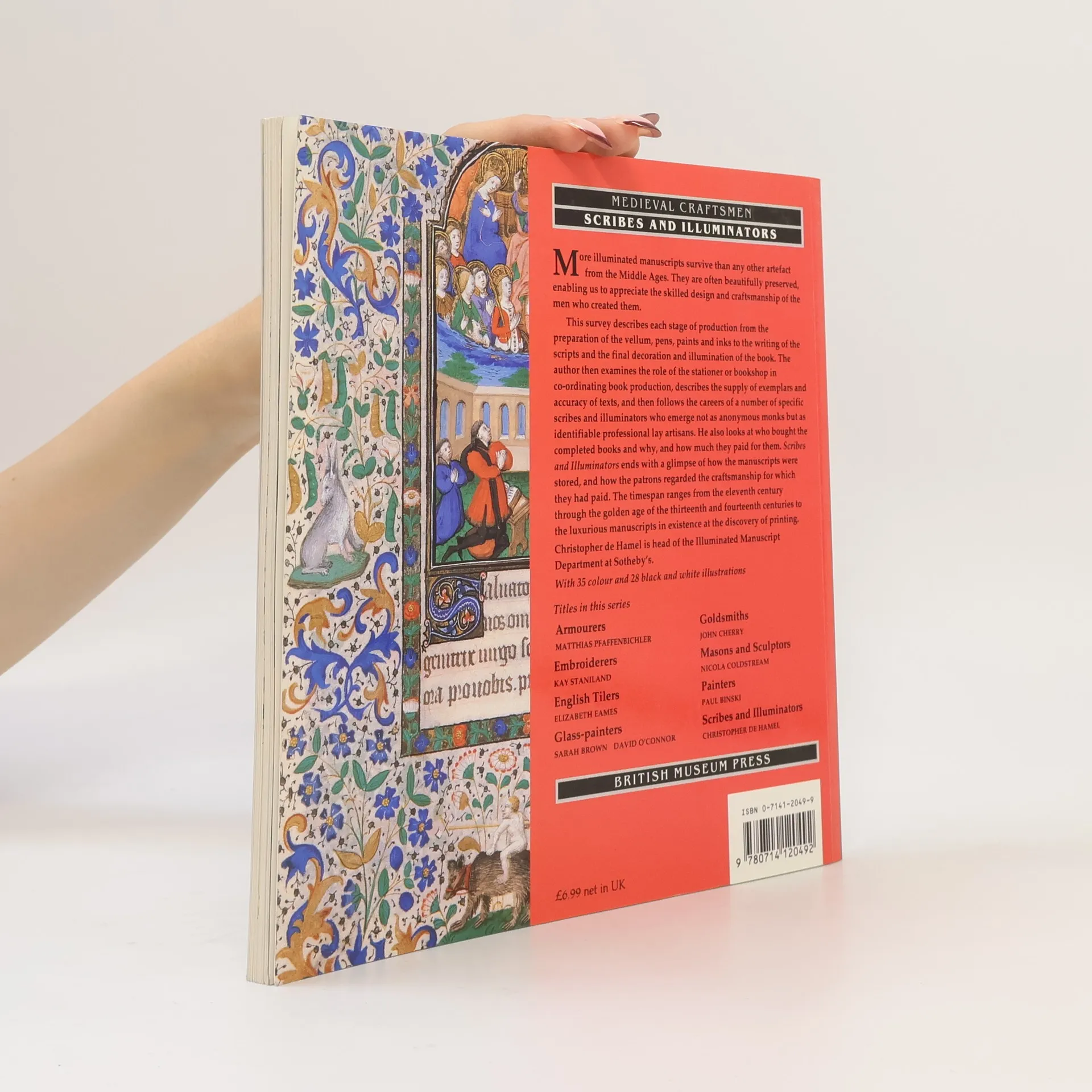
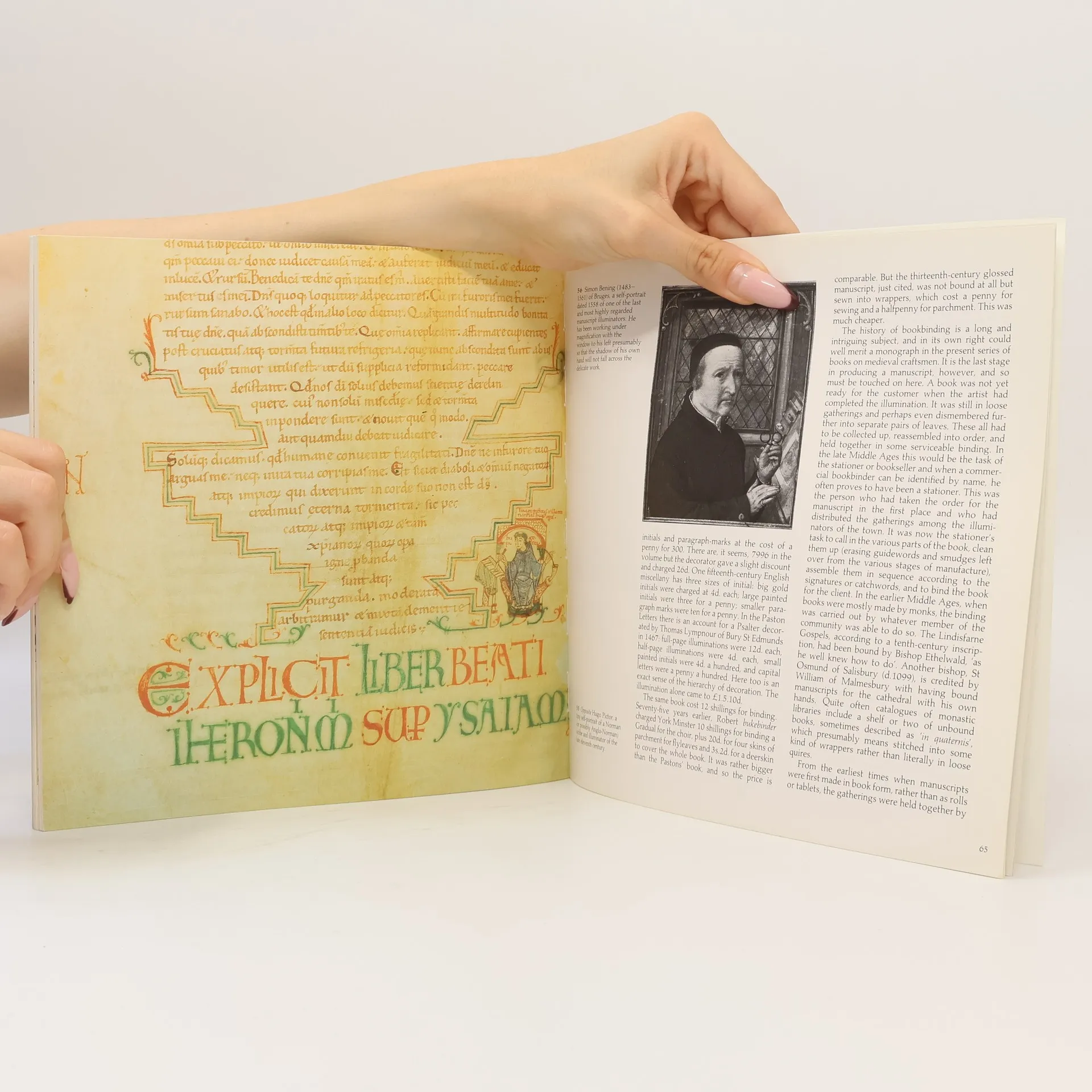
Illuminated manuscripts survive in great numbers from the Middle Ages. They are often beautifully preserved, enabling us to appreciate the skilled design and craftsmanship of the people who created them.Christopher de Hamel describes each stage of production from the preparation of the vellum, pens, paints and inks to the writing of the scripts and the final decoration and illumination of the book. He then examines the role of the stationer or bookshop in co-ordinating book production and describes the supply of exemplars and the accuracy of texts. He follows the careers of a number of specific scribes and illuminators who emerge not as anonymous monks but as identifiable professional lay artisans. He also looks at those who bought the completed books, why they did so, and how much they paid.His survey ranges from the eleventh century through the golden age of the thirteenth and fourteenth centuries to the luxurious manuscripts existing at the invention of printing.
Zakup książki
Scribes and illuminators, Christopher De Hamel
- Język

- Rok wydania
- 2009
- Oprawa
- (miękka)
Metody płatności
Brakuje nam tutaj Twojej recenzji.
- Tytuł
- Scribes and illuminators
- Język
- angielski
- Autorzy
- Christopher De Hamel
- Wydawca
- British Museum Press
- Rok wydania
- 2009
- Oprawa
- miękka
- Liczba stron
- 72
- ISBN10
- 0714120499
- ISBN13
- 9780714120492
- Seria
- Kategorie
- Ocena
- 4,05 z 5
- Opis
- Illuminated manuscripts survive in great numbers from the Middle Ages. They are often beautifully preserved, enabling us to appreciate the skilled design and craftsmanship of the people who created them.Christopher de Hamel describes each stage of production from the preparation of the vellum, pens, paints and inks to the writing of the scripts and the final decoration and illumination of the book. He then examines the role of the stationer or bookshop in co-ordinating book production and describes the supply of exemplars and the accuracy of texts. He follows the careers of a number of specific scribes and illuminators who emerge not as anonymous monks but as identifiable professional lay artisans. He also looks at those who bought the completed books, why they did so, and how much they paid.His survey ranges from the eleventh century through the golden age of the thirteenth and fourteenth centuries to the luxurious manuscripts existing at the invention of printing.