

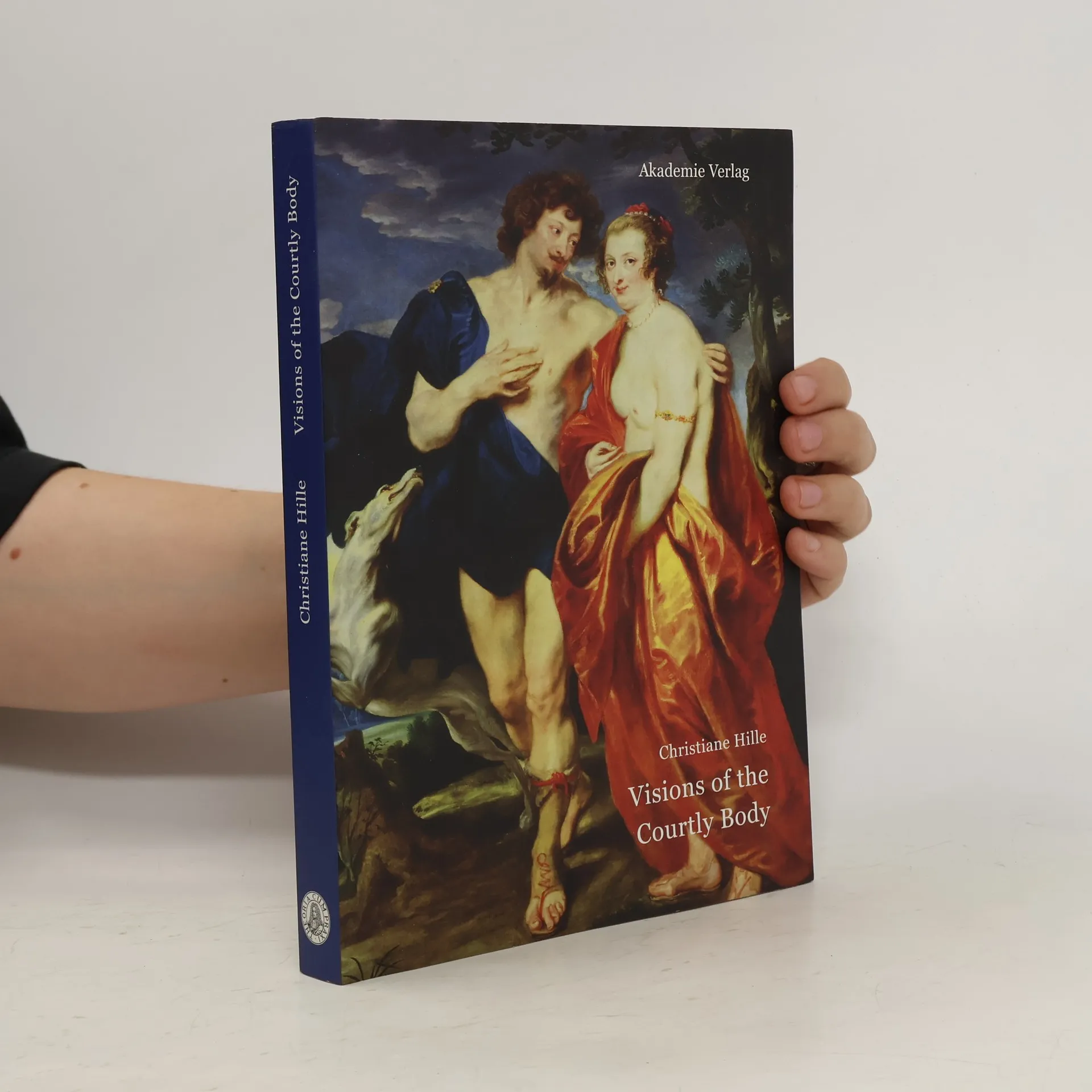
Visions of the courtly body
The Patronage of George Villiers, First Duke of Buckingham, and the Triumph of Painting at the Stuart Court
Autorzy
Ocena książki
Więcej o książce
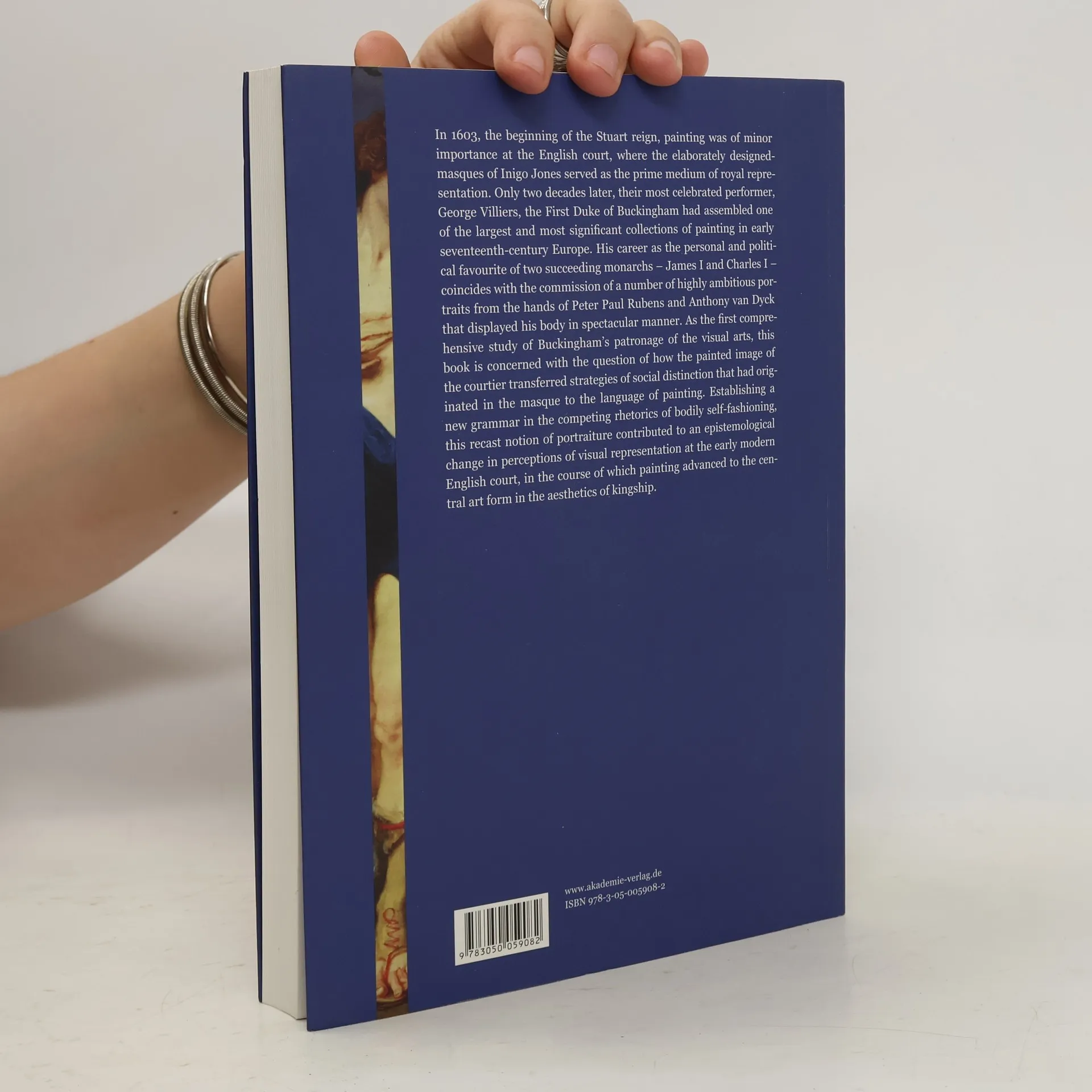
In 1603, the beginning of the Stuart reign, painting was of minor importance at the English court, where the elaborately designed masques of Inigo Jones served as the prime medium of royal representation. Only two decades later, their most celebrated performer, George Villiers, the First Duke of Buckingham had assembled one of the largest and most significant collections of painting in early seventeenth-century Europe. His career as the personal and political favourite of two succeeding monarchs – James I and Charles I – coincides with the commission of a number of highly ambitious portraits from the hands of Peter Paul Rubens and Anthony van Dyck that displayed his body in spectacular manner. As the first comprehensive study of Buckingham’s patronage of the visual arts, this book is concerned with the question of how the painted image of the courtier transferred strategies of social distinction that had originated in the masque to the language of painting. Establishing a new grammar in the competing rhetorics of bodily self-fashioning, this recast notion of portraiture contributed to an epistemological change in perceptions of visual representation at the early modern English court, in the course of which painting advanced to the central art form in the aesthetics of kingship.
Zakup książki
Visions of the courtly body, Christiane Hille
- Język

- Rok wydania
- 2012
- Oprawa
- (twarda)
Metody płatności
Brakuje nam tutaj Twojej recenzji.
- Tytuł
- Visions of the courtly body
- Podtytuł
- The Patronage of George Villiers, First Duke of Buckingham, and the Triumph of Painting at the Stuart Court
- Język
- angielski
- Autorzy
- Christiane Hille
- Wydawca
- Akad.-Verl.
- Rok wydania
- 2012
- Oprawa
- twarda
- Liczba stron
- 302
- ISBN10
- 3050059087
- ISBN13
- 9783050059082
- Seria
- Kategorie
- Ocena
- 4,35 z 5
- Opis
- In 1603, the beginning of the Stuart reign, painting was of minor importance at the English court, where the elaborately designed masques of Inigo Jones served as the prime medium of royal representation. Only two decades later, their most celebrated performer, George Villiers, the First Duke of Buckingham had assembled one of the largest and most significant collections of painting in early seventeenth-century Europe. His career as the personal and political favourite of two succeeding monarchs – James I and Charles I – coincides with the commission of a number of highly ambitious portraits from the hands of Peter Paul Rubens and Anthony van Dyck that displayed his body in spectacular manner. As the first comprehensive study of Buckingham’s patronage of the visual arts, this book is concerned with the question of how the painted image of the courtier transferred strategies of social distinction that had originated in the masque to the language of painting. Establishing a new grammar in the competing rhetorics of bodily self-fashioning, this recast notion of portraiture contributed to an epistemological change in perceptions of visual representation at the early modern English court, in the course of which painting advanced to the central art form in the aesthetics of kingship.