



Więcej o książce
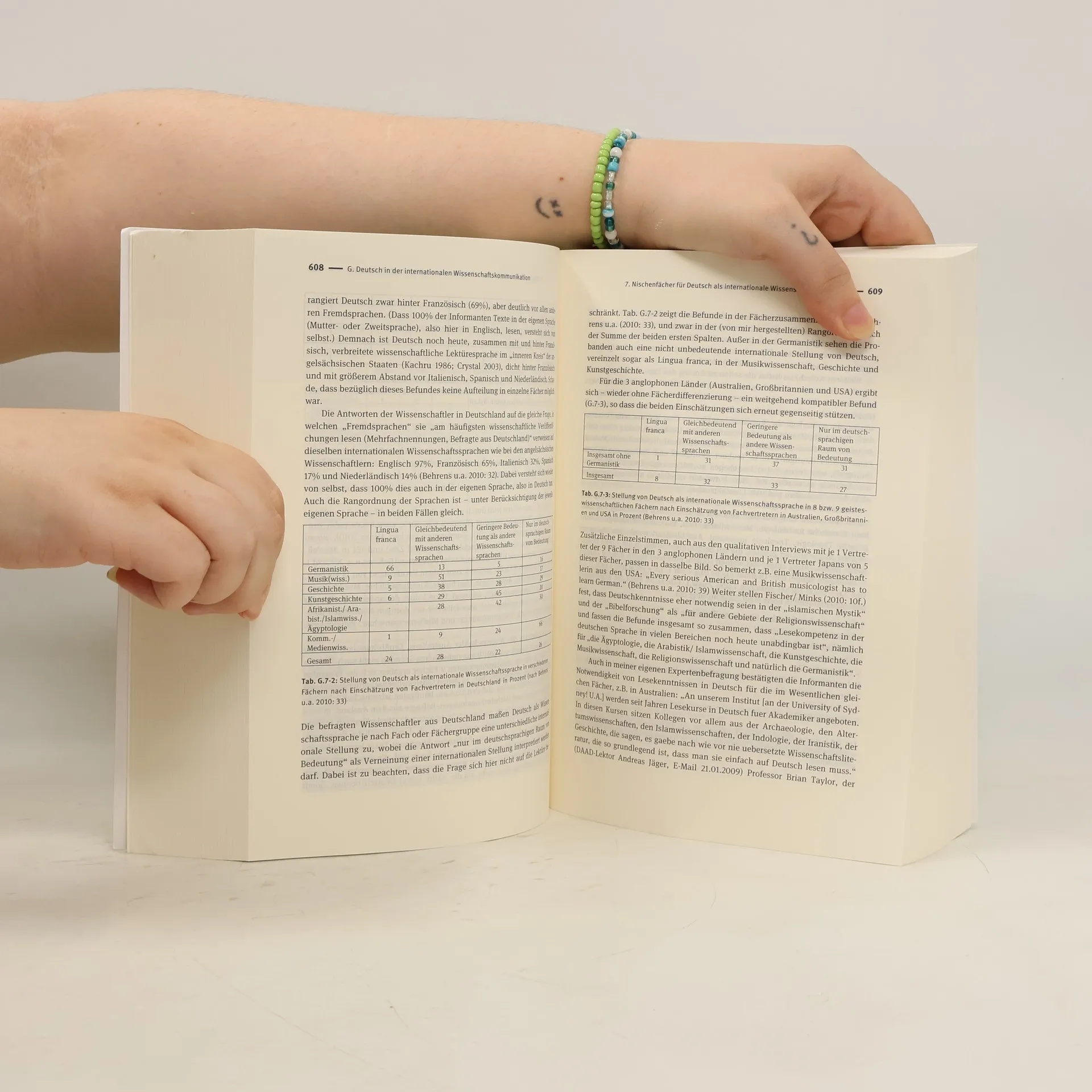
The book is expertly written and comprehensive, featuring a noteworthy level of analysis and a diverse array of data sources. The presentation of data is accessible, making it essential for researchers and practitioners interested in the international standing of German. It is poised to become a seminal piece of research in the field. The work establishes a framework for a complex topic that extends beyond the confines of sociolinguistics and linguistics, incorporating results from over a decade of the author’s research experience. It lays crucial foundations for future studies, compelling anyone researching within this broad thematic area to engage with the accumulated knowledge and methodology presented. Overall, the book offers extensive and well-founded information in areas such as language policy, language promotion, and research on international languages, serving as a valuable reference work. The ambitious endeavor of providing a global, multi-perspective, and detailed description of a language's standing is met with a wealth of expertise and a well-thought-out methodology. The author acknowledges the tension between national interests and global communication, presenting a wealth of material that encourages thoughtful consideration rather than immediate reaction. Despite the extensive literature reviewed, the author has created a highly readable work.
Zakup książki
Die Stellung der deutschen Sprache in der Welt, Ulrich Ammon
- Język

- Rok wydania
- 2018
- Oprawa
- (miękka)
Metody płatności
Nikt jeszcze nie ocenił.
- Tytuł
- Die Stellung der deutschen Sprache in der Welt
- Język
- niemiecki
- Autorzy
- Ulrich Ammon
- Wydawca
- De Gruyter
- Rok wydania
- 2018
- Oprawa
- miękka
- Liczba stron
- 1314
- ISBN10
- 3110606585
- ISBN13
- 9783110606584
- Seria
- Opis
- The book is expertly written and comprehensive, featuring a noteworthy level of analysis and a diverse array of data sources. The presentation of data is accessible, making it essential for researchers and practitioners interested in the international standing of German. It is poised to become a seminal piece of research in the field. The work establishes a framework for a complex topic that extends beyond the confines of sociolinguistics and linguistics, incorporating results from over a decade of the author’s research experience. It lays crucial foundations for future studies, compelling anyone researching within this broad thematic area to engage with the accumulated knowledge and methodology presented. Overall, the book offers extensive and well-founded information in areas such as language policy, language promotion, and research on international languages, serving as a valuable reference work. The ambitious endeavor of providing a global, multi-perspective, and detailed description of a language's standing is met with a wealth of expertise and a well-thought-out methodology. The author acknowledges the tension between national interests and global communication, presenting a wealth of material that encourages thoughtful consideration rather than immediate reaction. Despite the extensive literature reviewed, the author has created a highly readable work.