


Więcej o książce
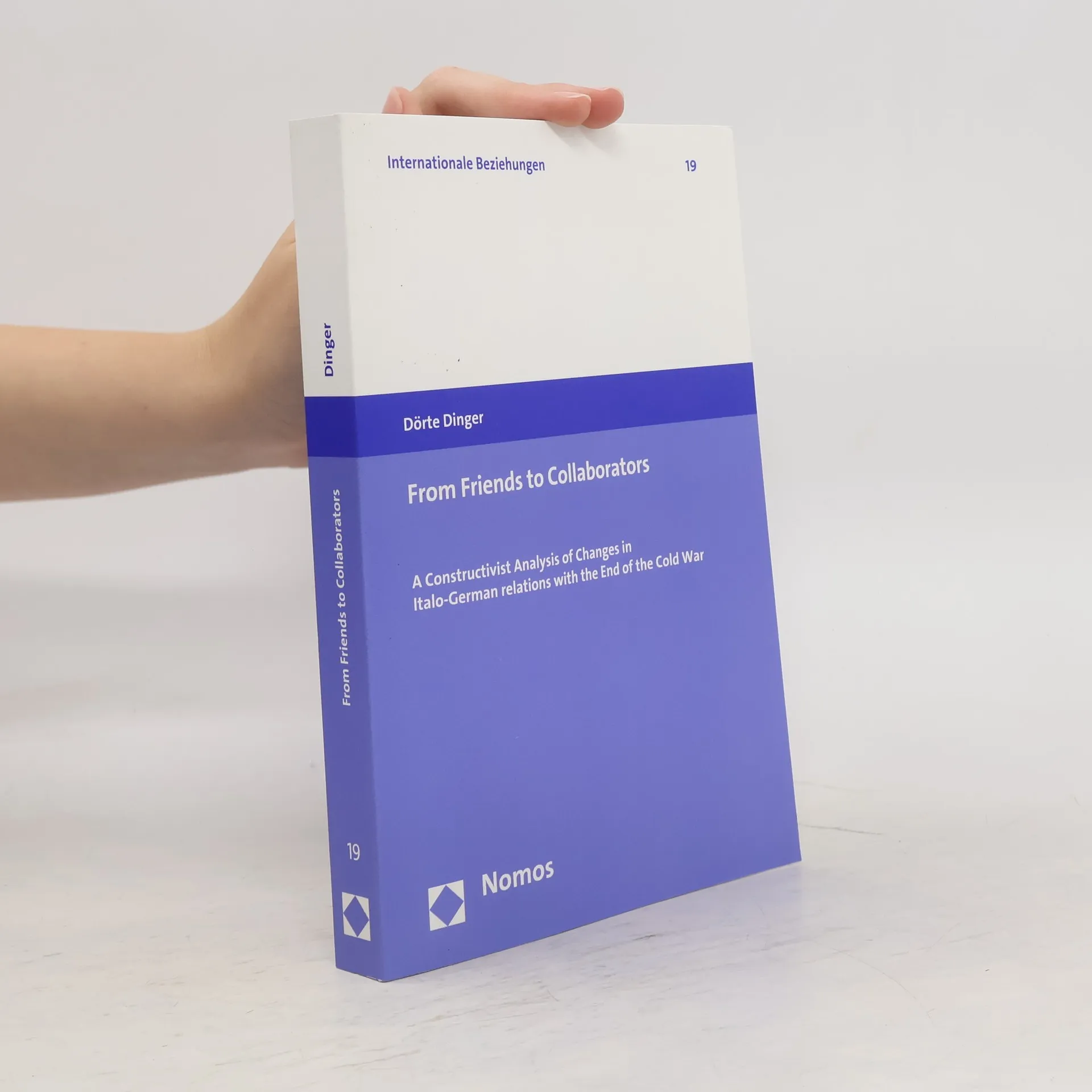
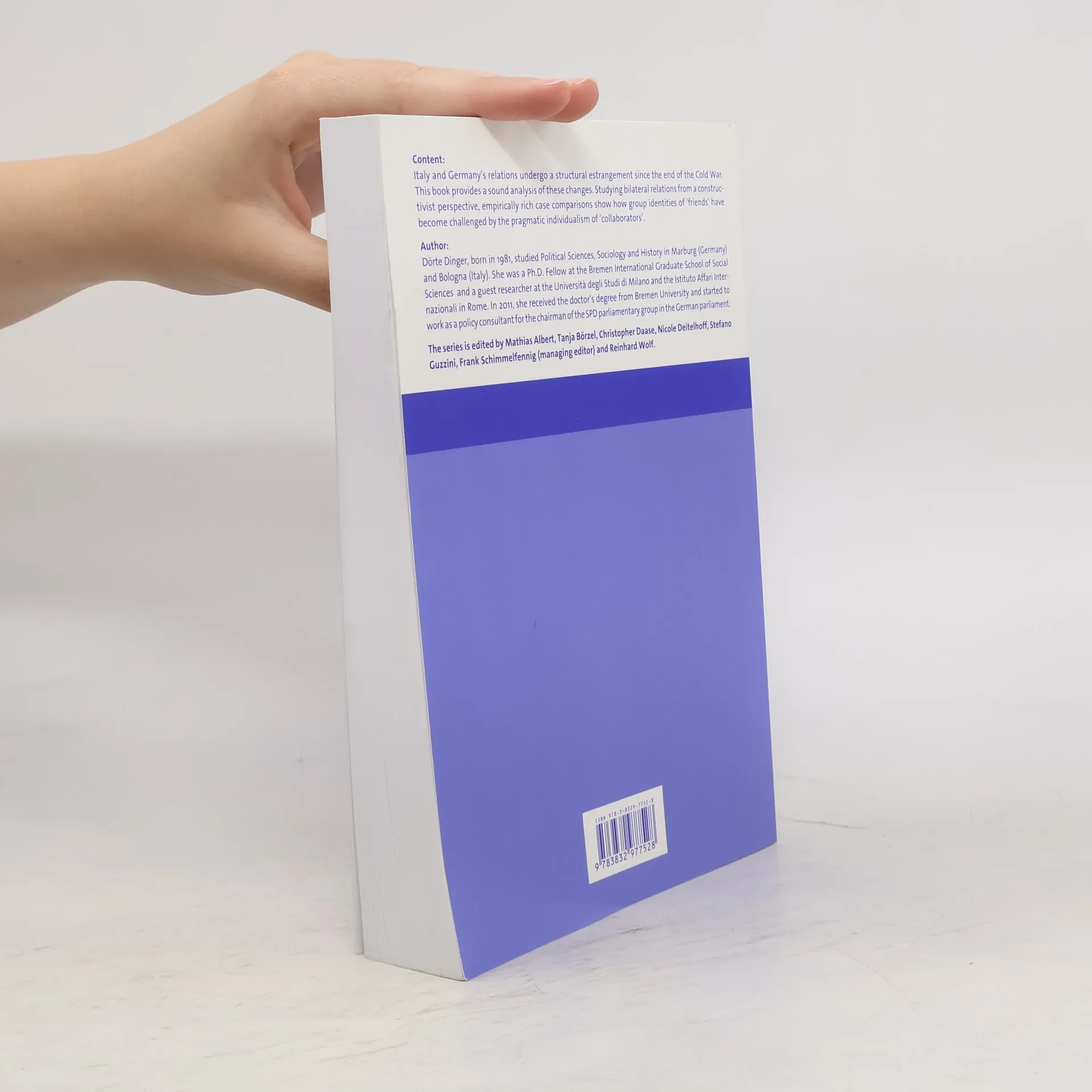
Italy and Germany's relations are intense and manifold, but undergo a structural estrangement since the end of the cold war. This book provides with a sound analysis of those changes. It compares Italo-German relations after German unification with the period before, and shows how solidarity among 'friends' have become challenged by the individualist pragmatism of 'collaborators'. The study addresses two shortcomings in the existing literature: The lack of theory-driven analysis of bilateral relations in general, and of the Italo-German relationship in particular. Employing a constructivist understanding of inter-state relations, it develops a theoretical model of three different layers of bilateral relations, pertaining to interaction, interests and identities. In the empirical part, six case comparisons give deep insight into the development of Italo-German relations over time. They are based on an extensive analysis of newspapers, government documents, and expert interviews. Results draw a picture of alienated partners who have to renegotiate the very basis of their relationship - and so this study is also a plea for renewed Italo-German cooperation in Europe.
Zakup książki
From friends to collaborators, Dörte Dinger
- Język

- Rok wydania
- 2013
- Oprawa
- (miękka)
Metody płatności
Nikt jeszcze nie ocenił.
- Tytuł
- From friends to collaborators
- Język
- angielski
- Autorzy
- Dörte Dinger
- Wydawca
- Nomos
- Rok wydania
- 2013
- Oprawa
- miękka
- Liczba stron
- 377
- ISBN10
- 383297752X
- ISBN13
- 9783832977528
- Seria
- Kategorie
- Opis
- Italy and Germany's relations are intense and manifold, but undergo a structural estrangement since the end of the cold war. This book provides with a sound analysis of those changes. It compares Italo-German relations after German unification with the period before, and shows how solidarity among 'friends' have become challenged by the individualist pragmatism of 'collaborators'. The study addresses two shortcomings in the existing literature: The lack of theory-driven analysis of bilateral relations in general, and of the Italo-German relationship in particular. Employing a constructivist understanding of inter-state relations, it develops a theoretical model of three different layers of bilateral relations, pertaining to interaction, interests and identities. In the empirical part, six case comparisons give deep insight into the development of Italo-German relations over time. They are based on an extensive analysis of newspapers, government documents, and expert interviews. Results draw a picture of alienated partners who have to renegotiate the very basis of their relationship - and so this study is also a plea for renewed Italo-German cooperation in Europe.