

Więcej o książce
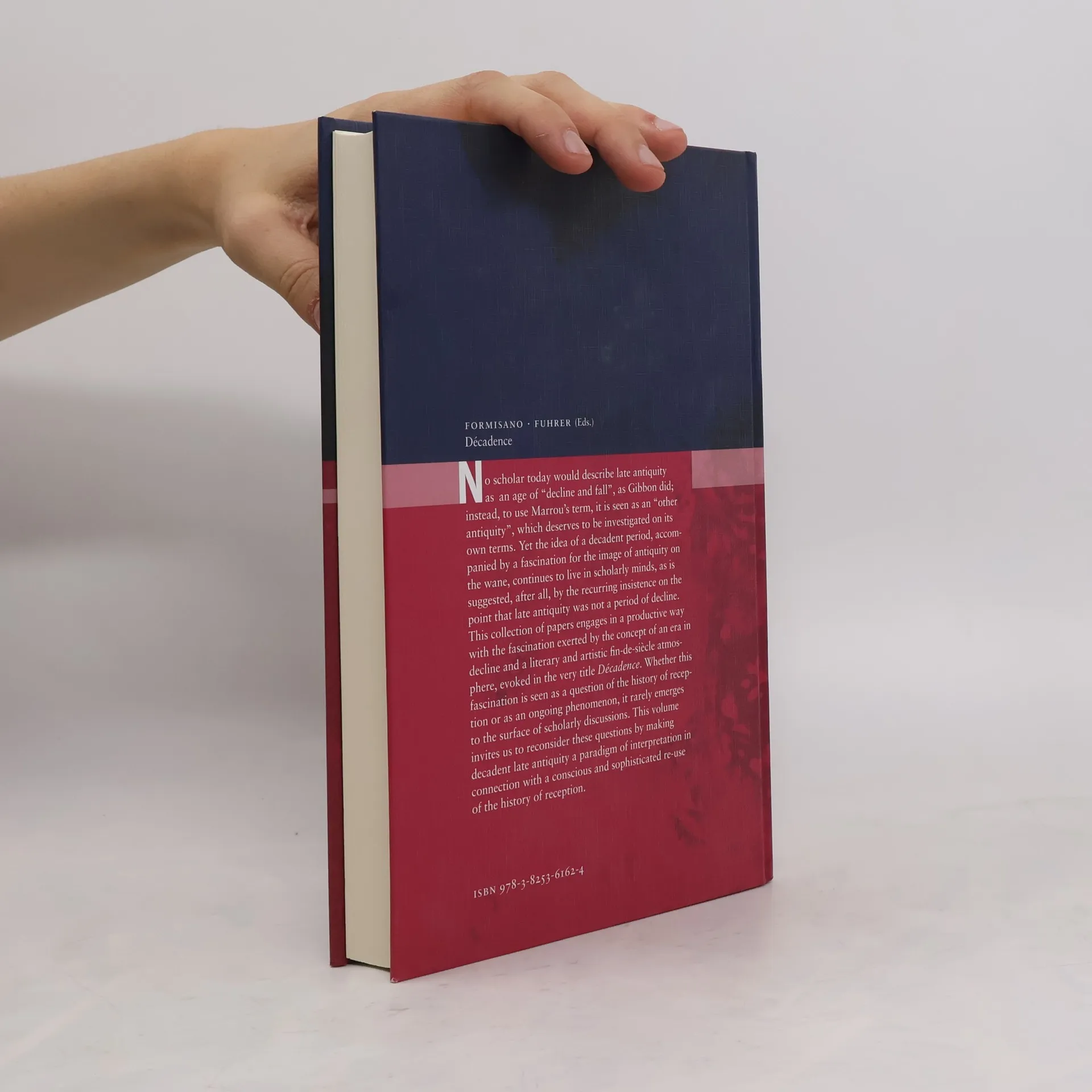
No scholar today would describe late antiquity as an age of „decline and fall“, as Gibbon did; instead, to use Marrou's term, it is seen as an „other antiquity“, which deserves to be investigated on its own terms. Yet the idea of a decadent period, accompanied by a fascination for the image of antiquity on the wane, continues to live in scholarly minds, as is suggested, after all, by the recurring insistence on the point that late antiquity was not a period of decline. This collection of papers engages in a productive way with the fascination exerted by the concept of an era in decline and a literary and artistic fin-de-siècle atmosphere, evoked in the very title 'Décadence'. Whether this fascination is seen as a question of the history of reception or as an ongoing phenomenon, it rarely emerges to the surface of scholarly discussions. This volume invites us to reconsider these questions by making decadent late antiquity a paradigm of interpretation in connection with a conscious and sophisticated re-use of the history of reception.
Zakup książki
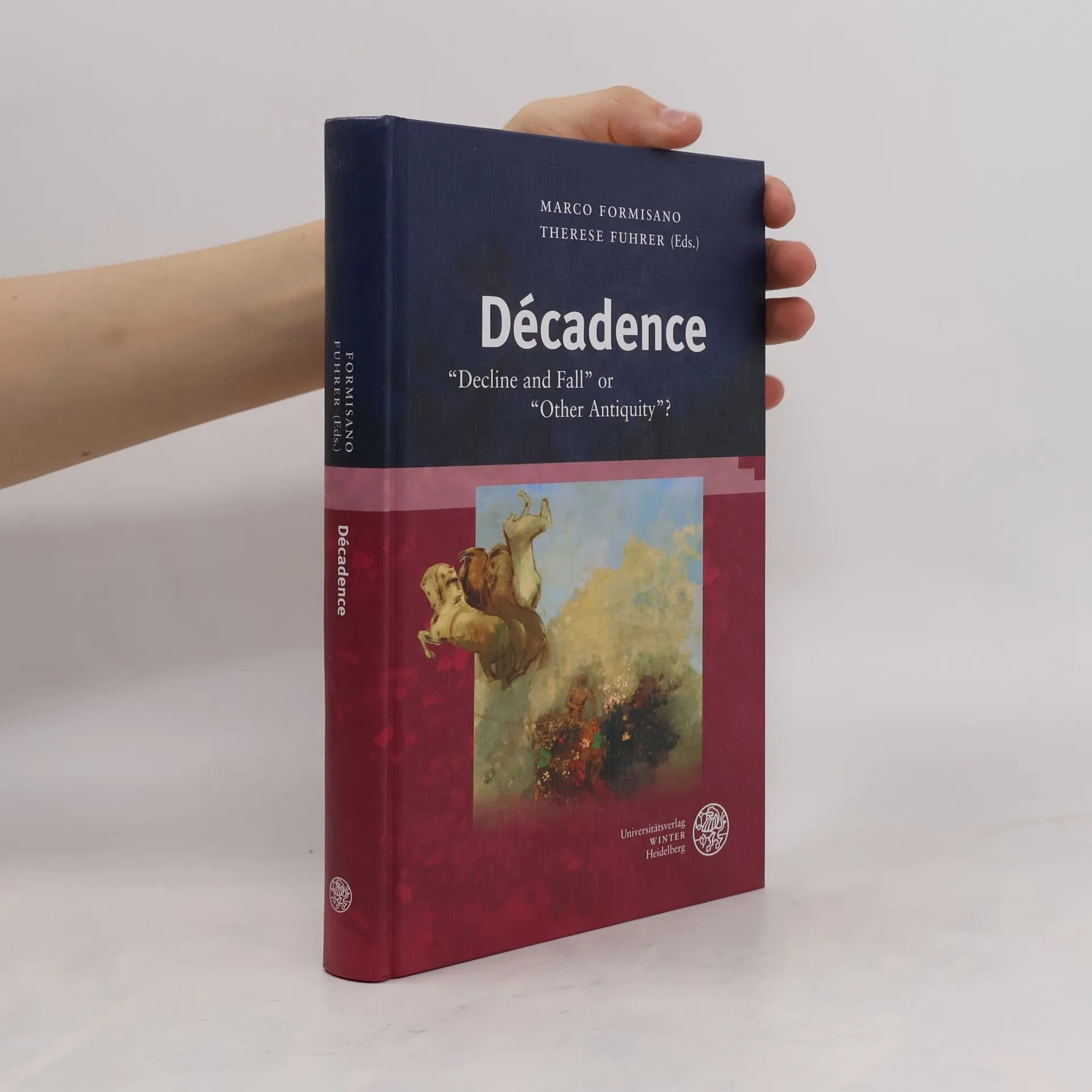
Décadence, Marco Formisano
- Język

- Rok wydania
- 2014
- Oprawa
- (twarda)
Metody płatności
Nikt jeszcze nie ocenił.
- Tytuł
- Décadence
- Język
- francuski
- Autorzy
- Marco Formisano
- Wydawca
- Universitätsverlag Winter
- Rok wydania
- 2014
- Oprawa
- twarda
- Liczba stron
- 348
- ISBN10
- 3825361624
- ISBN13
- 9783825361624
- Seria
- Opis
- No scholar today would describe late antiquity as an age of „decline and fall“, as Gibbon did; instead, to use Marrou's term, it is seen as an „other antiquity“, which deserves to be investigated on its own terms. Yet the idea of a decadent period, accompanied by a fascination for the image of antiquity on the wane, continues to live in scholarly minds, as is suggested, after all, by the recurring insistence on the point that late antiquity was not a period of decline. This collection of papers engages in a productive way with the fascination exerted by the concept of an era in decline and a literary and artistic fin-de-siècle atmosphere, evoked in the very title 'Décadence'. Whether this fascination is seen as a question of the history of reception or as an ongoing phenomenon, it rarely emerges to the surface of scholarly discussions. This volume invites us to reconsider these questions by making decadent late antiquity a paradigm of interpretation in connection with a conscious and sophisticated re-use of the history of reception.