


Więcej o książce
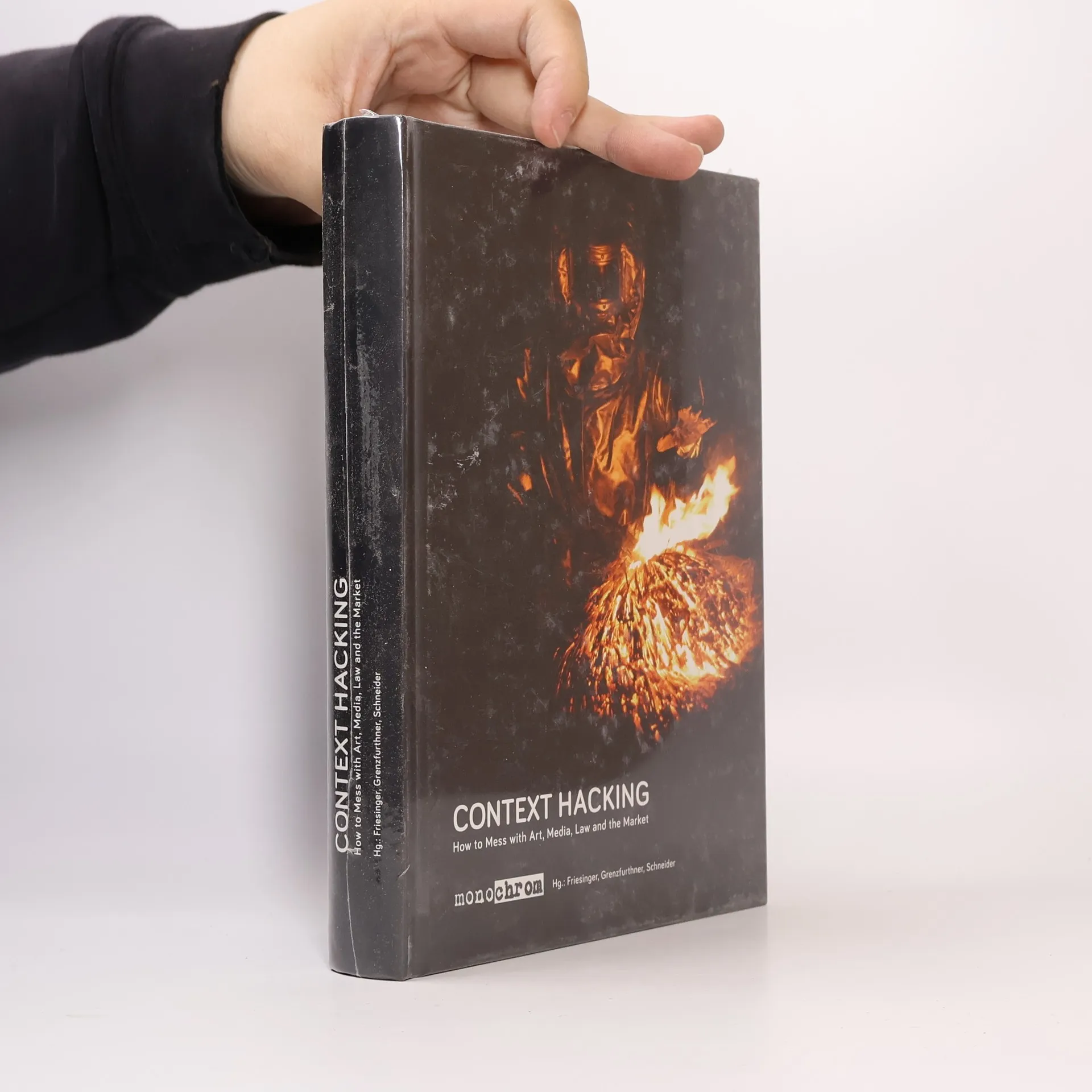
The group monochrom refers to its working method as Context Hacking, thus referencing the hacker culture, which propagates a creative and emancipatory approach to the technologies of the digital age, and in this way turns against the continuation into the digital age of a centuriesold technological enslavement perpetrated through knowledge and hierarchies of experts. Thanks to the electronic mass media of this age, the possibility of democratizing and socializing the means of production seems for the first time to have become realizable (with no need for any other revolution beyond the technical). Context hacking transfers the hackers’ objectives and methods to the network of social relationships in which artistic production occurs, and upon which it is dependent. In a metaphoric sense, these relationships also have a source code. Programs run in them, and our interaction with them is structured by a user interface. When we know how a space, a niche, a scene, a subculture or a media or political practice functions, we can change it and recode it, deconstructing its power relationships and emancipating ourselves from its compulsions and packaging guidelines.
Zakup książki
Context hacking, Günther Friesinger
- Język

- Rok wydania
- 2013,
- Stan książki
- Bardzo dobry
- Cena
- 6,58 zł
Metody płatności
Nikt jeszcze nie ocenił.
- Tytuł
- Context hacking
- Język
- angielski
- Autorzy
- Günther Friesinger
- Wydawca
- Ed. Mono
- Rok wydania
- 2013
- Liczba stron
- 301
- ISBN10
- 3902796138
- ISBN13
- 9783902796134
- Seria
- Kategorie
- Tagi
- Katalogi wystaw
- Opis
- The group monochrom refers to its working method as Context Hacking, thus referencing the hacker culture, which propagates a creative and emancipatory approach to the technologies of the digital age, and in this way turns against the continuation into the digital age of a centuriesold technological enslavement perpetrated through knowledge and hierarchies of experts. Thanks to the electronic mass media of this age, the possibility of democratizing and socializing the means of production seems for the first time to have become realizable (with no need for any other revolution beyond the technical). Context hacking transfers the hackers’ objectives and methods to the network of social relationships in which artistic production occurs, and upon which it is dependent. In a metaphoric sense, these relationships also have a source code. Programs run in them, and our interaction with them is structured by a user interface. When we know how a space, a niche, a scene, a subculture or a media or political practice functions, we can change it and recode it, deconstructing its power relationships and emancipating ourselves from its compulsions and packaging guidelines.