



Więcej o książce
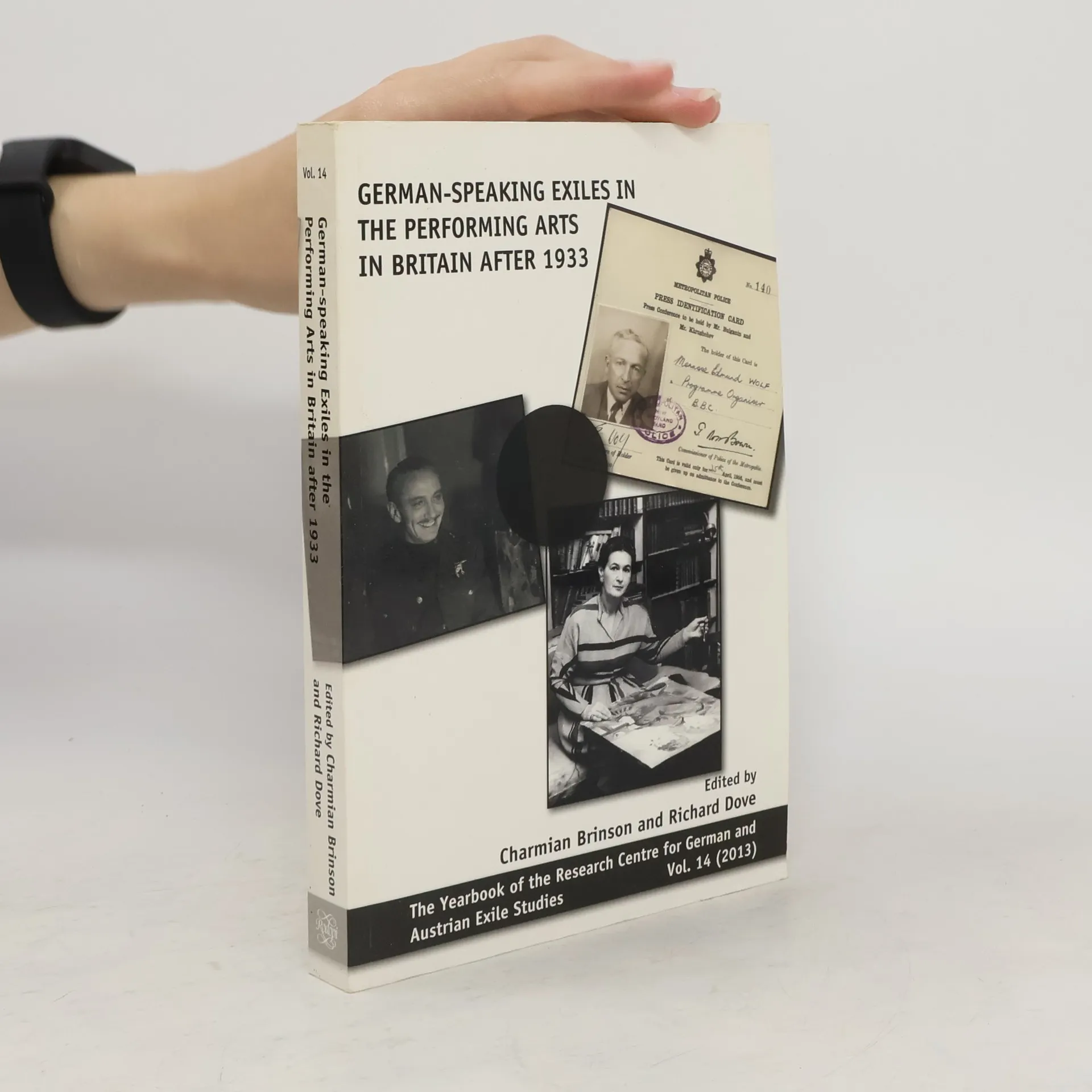
This volume focuses on the contribution of German-speaking refugees from Nazism to the performing arts in Britain, evaluating their role in broadcasting, theatre, film and dance from 1933 to the present. It contains essays evaluating the role of refugee artists in the BBC German Service, including the actor Martin Miller, the writer Bruno Adler and the journalist Edmund Wolf. Miller also made a career in the English theatre transcending the barrier of language, as did the actor Gerhard Hinze, whose transition to the English stage is an instructive example of adaptation to a new theatre culture. In film, language problems were mitigated by the technical possibilities of the medium, although stars like Anton Walbrook received coaching in English. Certainly, technicians from Central Europe, like the cameraman Wolf Suschitzky, helped establish the character of British film in the 1950s and 1960s. In dance theatre, language played little role, facilitating the influence in Britain of dance practitioners like Kurt Jooss and Sigurd Leeder. Finally, evaluating the reverse influence of émigrés on Germany, two essays discuss Erich Fried's translations of Shakespeare and Peter Zadek's early theatre career in Germany.
Zakup książki
German-speaking exiles in the performing arts in Britain after 1933, Charmian Brinson
- Język

- Rok wydania
- 2013
- Oprawa
- (miękka)
Metody płatności
Nikt jeszcze nie ocenił.
- Tytuł
- German-speaking exiles in the performing arts in Britain after 1933
- Język
- angielski
- Autorzy
- Charmian Brinson
- Wydawca
- Rodopi
- Rok wydania
- 2013
- Oprawa
- miękka
- Liczba stron
- 328
- ISBN10
- 9042036516
- ISBN13
- 9789042036512
- Seria
- Kategorie
- Opis
- This volume focuses on the contribution of German-speaking refugees from Nazism to the performing arts in Britain, evaluating their role in broadcasting, theatre, film and dance from 1933 to the present. It contains essays evaluating the role of refugee artists in the BBC German Service, including the actor Martin Miller, the writer Bruno Adler and the journalist Edmund Wolf. Miller also made a career in the English theatre transcending the barrier of language, as did the actor Gerhard Hinze, whose transition to the English stage is an instructive example of adaptation to a new theatre culture. In film, language problems were mitigated by the technical possibilities of the medium, although stars like Anton Walbrook received coaching in English. Certainly, technicians from Central Europe, like the cameraman Wolf Suschitzky, helped establish the character of British film in the 1950s and 1960s. In dance theatre, language played little role, facilitating the influence in Britain of dance practitioners like Kurt Jooss and Sigurd Leeder. Finally, evaluating the reverse influence of émigrés on Germany, two essays discuss Erich Fried's translations of Shakespeare and Peter Zadek's early theatre career in Germany.