

Więcej o książce
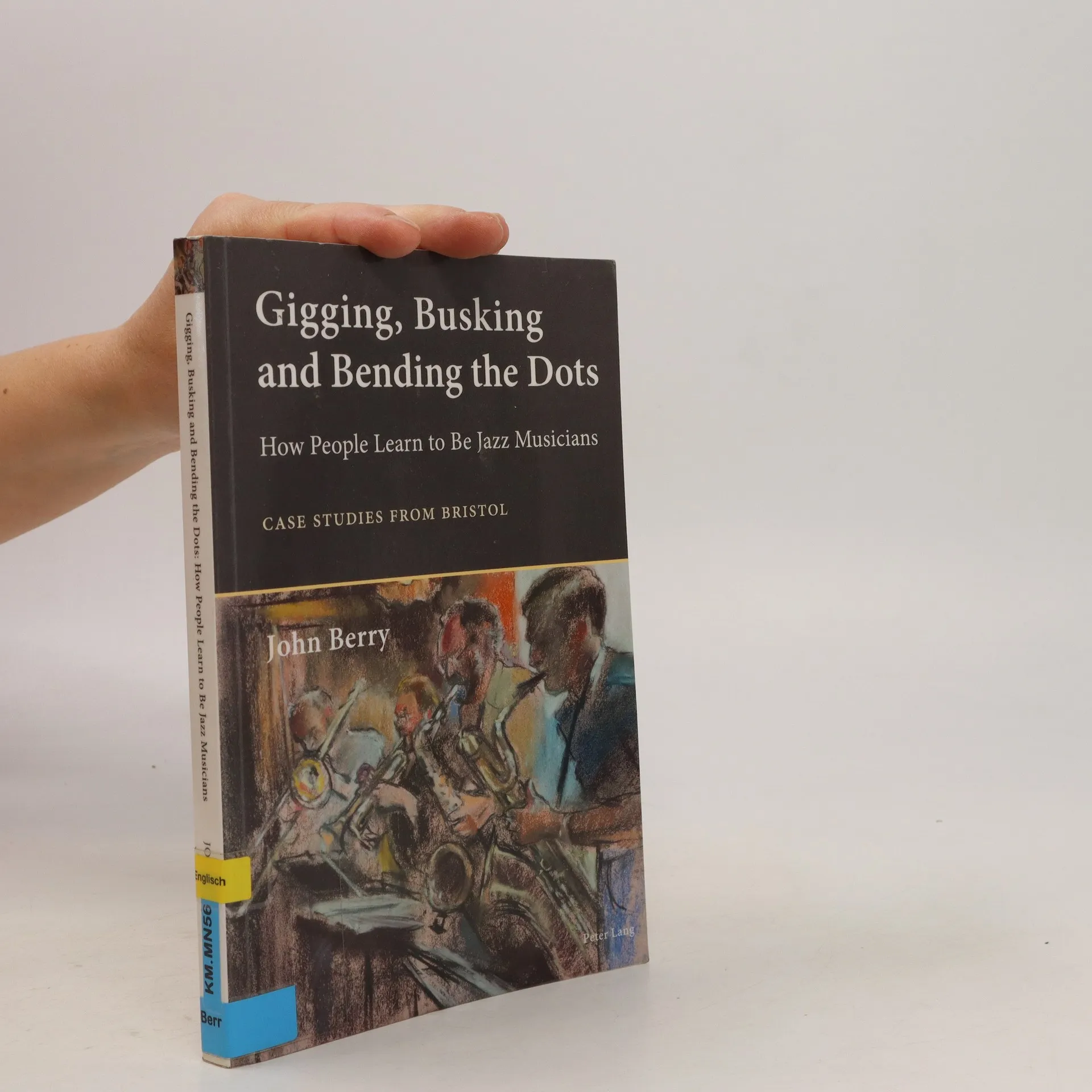
This book traces the learning experiences of the jazz community in Bristol, UK from 1945 to 2012. Grounded in a methodology of participant observation and case studies, it documents changes in the economic, cultural and educational circumstances faced by the players. In their own words, the musicians recall the influences that initiated and developed their musicianship. Drawing on first-person accounts, the study traces the historical development of jazz music and musicians in Bristol. In the post-war years, players began to develop significant stylistic aspects in the jazz lexicon. Drawing on media sources and interaction in performance, players garnered a host of performing skills whilst suffering dwindling audiences and declining venues. Reforms in English music education in the 1980s offered formal opportunities to study jazz in the city’s schools, drawing minimal attention from institutions. Practical learning and playing opportunities offered by the Local Authority music service sustained a modest membership over the years. Post millennium, local schools, with one or two exceptions, showed little interest in jazz education. Nevertheless, maintaining its traditional stance, Bristol’s jazz community continues to exhort top quality jazz performances including compositions that match national and international standards.
Zakup książki
Gigging, busking and bending the dots, John Berry
- Język

- Rok wydania
- 2013
- Oprawa
- (miękka)
Metody płatności
Nikt jeszcze nie ocenił.
- Tytuł
- Gigging, busking and bending the dots
- Język
- angielski
- Autorzy
- John Berry
- Wydawca
- Peter Lang
- Rok wydania
- 2013
- Oprawa
- miękka
- Liczba stron
- 250
- ISBN10
- 3034309627
- ISBN13
- 9783034309622
- Seria
- Opis
- This book traces the learning experiences of the jazz community in Bristol, UK from 1945 to 2012. Grounded in a methodology of participant observation and case studies, it documents changes in the economic, cultural and educational circumstances faced by the players. In their own words, the musicians recall the influences that initiated and developed their musicianship. Drawing on first-person accounts, the study traces the historical development of jazz music and musicians in Bristol. In the post-war years, players began to develop significant stylistic aspects in the jazz lexicon. Drawing on media sources and interaction in performance, players garnered a host of performing skills whilst suffering dwindling audiences and declining venues. Reforms in English music education in the 1980s offered formal opportunities to study jazz in the city’s schools, drawing minimal attention from institutions. Practical learning and playing opportunities offered by the Local Authority music service sustained a modest membership over the years. Post millennium, local schools, with one or two exceptions, showed little interest in jazz education. Nevertheless, maintaining its traditional stance, Bristol’s jazz community continues to exhort top quality jazz performances including compositions that match national and international standards.