

Więcej o książce
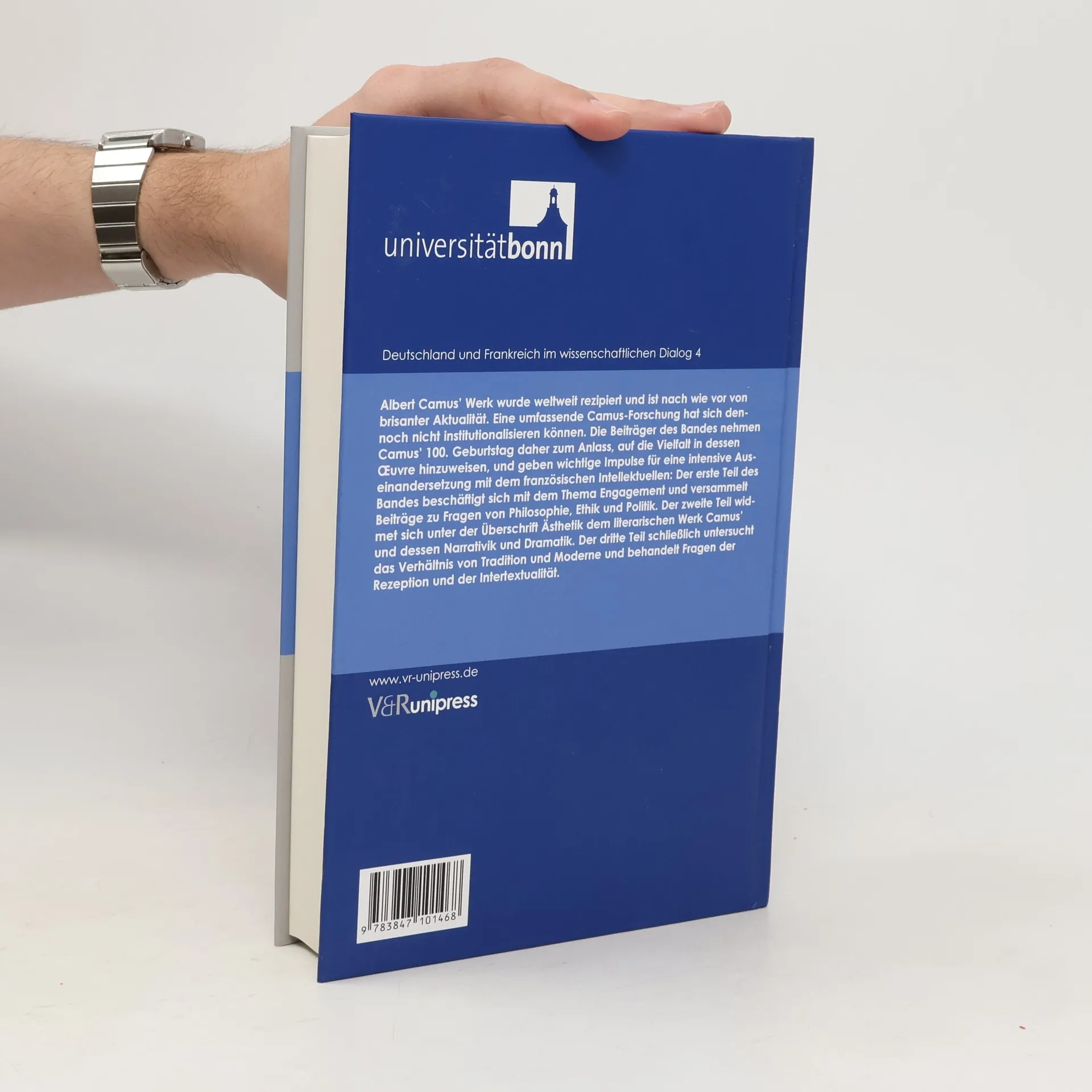
Through his literary, philosophical and contemporary critical works, Albert Camus counts among the greatest French intellectuals of the 20th century. Although Camus still reaches a large number of readers today, there is no extensive institutionalised Camus research at universities. This anthology is published within the temporal context of his 100th birthday and the 50th anniversary of his death. As a representative of a 20th-century generation, Camus seems to have become a mythological figure, who understood historic and individual catastrophes to be personal challenges and firmly believed that humanitarianism will prevail. The volume is divided into three main chapters. The first chapter brings together treatises on philosophical, ethical and political questions under the heading Commitment; the second, under the heading Aesthetics, his works on narratives and drama; the third, finally, is dedicated to the relation between tradition and modernity and deals with questions of reception and intertextuality.
Zakup książki
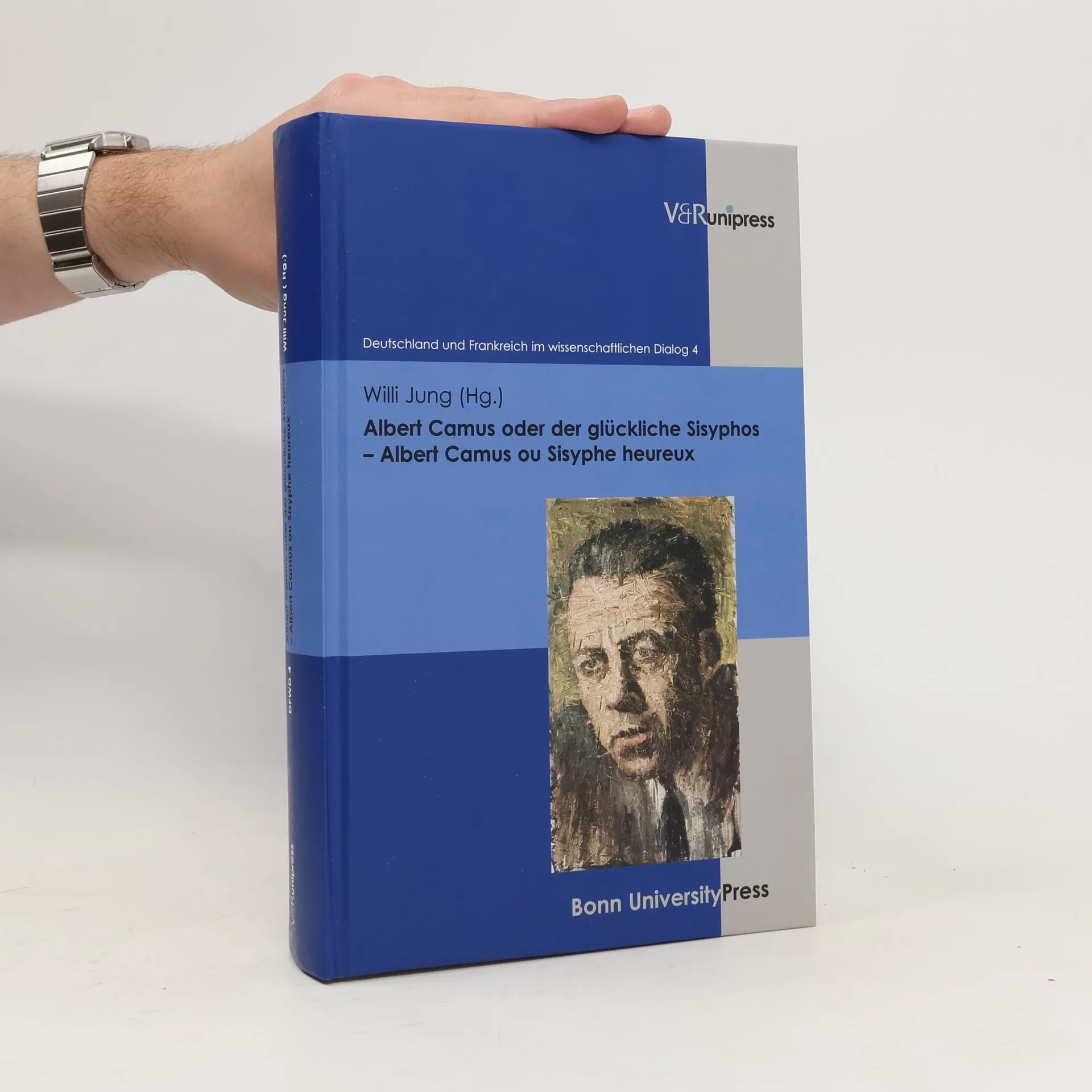
Albert Camus oder der glückliche Sisyphos, Willi Jung
- Język

- Rok wydania
- 2013
- Oprawa
- (twarda)
Metody płatności
Nikt jeszcze nie ocenił.
- Tytuł
- Albert Camus oder der glückliche Sisyphos
- Język
- francuski
- Autorzy
- Willi Jung
- Rok wydania
- 2013
- Oprawa
- twarda
- Liczba stron
- 460
- ISBN10
- 3847101463
- ISBN13
- 9783847101468
- Seria
- Opis
- Through his literary, philosophical and contemporary critical works, Albert Camus counts among the greatest French intellectuals of the 20th century. Although Camus still reaches a large number of readers today, there is no extensive institutionalised Camus research at universities. This anthology is published within the temporal context of his 100th birthday and the 50th anniversary of his death. As a representative of a 20th-century generation, Camus seems to have become a mythological figure, who understood historic and individual catastrophes to be personal challenges and firmly believed that humanitarianism will prevail. The volume is divided into three main chapters. The first chapter brings together treatises on philosophical, ethical and political questions under the heading Commitment; the second, under the heading Aesthetics, his works on narratives and drama; the third, finally, is dedicated to the relation between tradition and modernity and deals with questions of reception and intertextuality.