



Więcej o książce
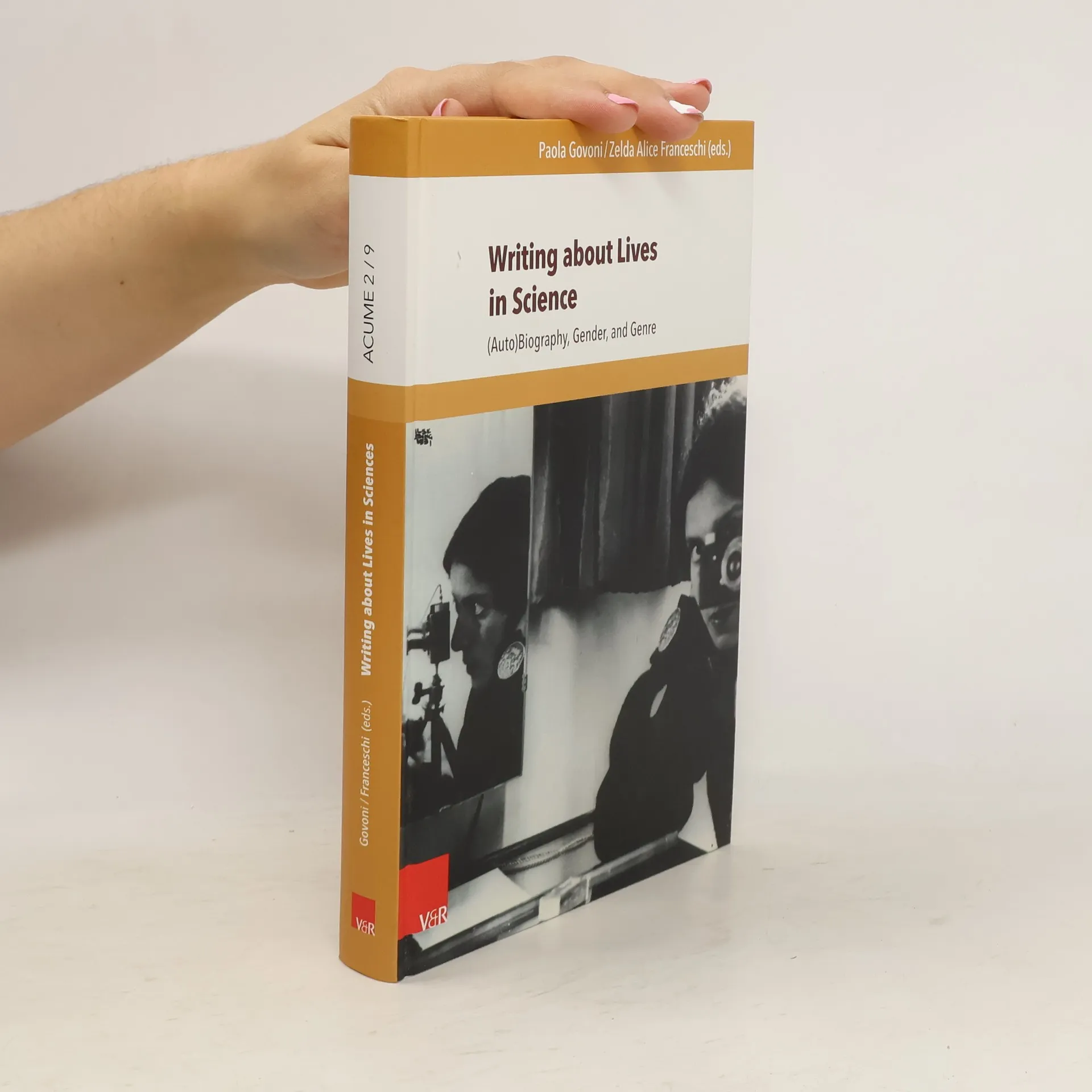
Following discussions on scientific biography carried out over the past few decades, this book proposes a kaleidoscopic survey of the uses of biography as a tool to understand science and its context. It offers food for thought on the role played by the gender of the biographer and the biographee in the process of writing. To provide orientation in such a challenging field, some of the authors have accepted to write about their own professional experience while reflecting on the case studies they have been working on. Focusing on (auto)biography may help us to build bridges between different approaches to men and women’s lives in science. The authors belong to a variety of academic and professional fields, including the history of science, anthropology, literary studies, and science journalism. The period covered spans from 1732, when Laura Bassi was the first woman to get a tenured professorship of physics, to 2009, when Elizabeth H. Blackburn and Carol W. Greider were the first women’s team to have won a Nobel Prize in science.
Zakup książki
Writing about lives in science, Paola Govoni
- Język

- Rok wydania
- 2014
- Oprawa
- (twarda)
Metody płatności
Brakuje nam tutaj Twojej recenzji.
- Tytuł
- Writing about lives in science
- Język
- angielski
- Autorzy
- Paola Govoni
- Wydawca
- V&R Unipress
- Rok wydania
- 2014
- Oprawa
- twarda
- Liczba stron
- 287
- ISBN10
- 384710263X
- ISBN13
- 9783847102632
- Seria
- Kategorie
- Tagi
- Inne podręczniki
- Ocena
- 4 z 5
- Opis
- Following discussions on scientific biography carried out over the past few decades, this book proposes a kaleidoscopic survey of the uses of biography as a tool to understand science and its context. It offers food for thought on the role played by the gender of the biographer and the biographee in the process of writing. To provide orientation in such a challenging field, some of the authors have accepted to write about their own professional experience while reflecting on the case studies they have been working on. Focusing on (auto)biography may help us to build bridges between different approaches to men and women’s lives in science. The authors belong to a variety of academic and professional fields, including the history of science, anthropology, literary studies, and science journalism. The period covered spans from 1732, when Laura Bassi was the first woman to get a tenured professorship of physics, to 2009, when Elizabeth H. Blackburn and Carol W. Greider were the first women’s team to have won a Nobel Prize in science.