



Więcej o książce
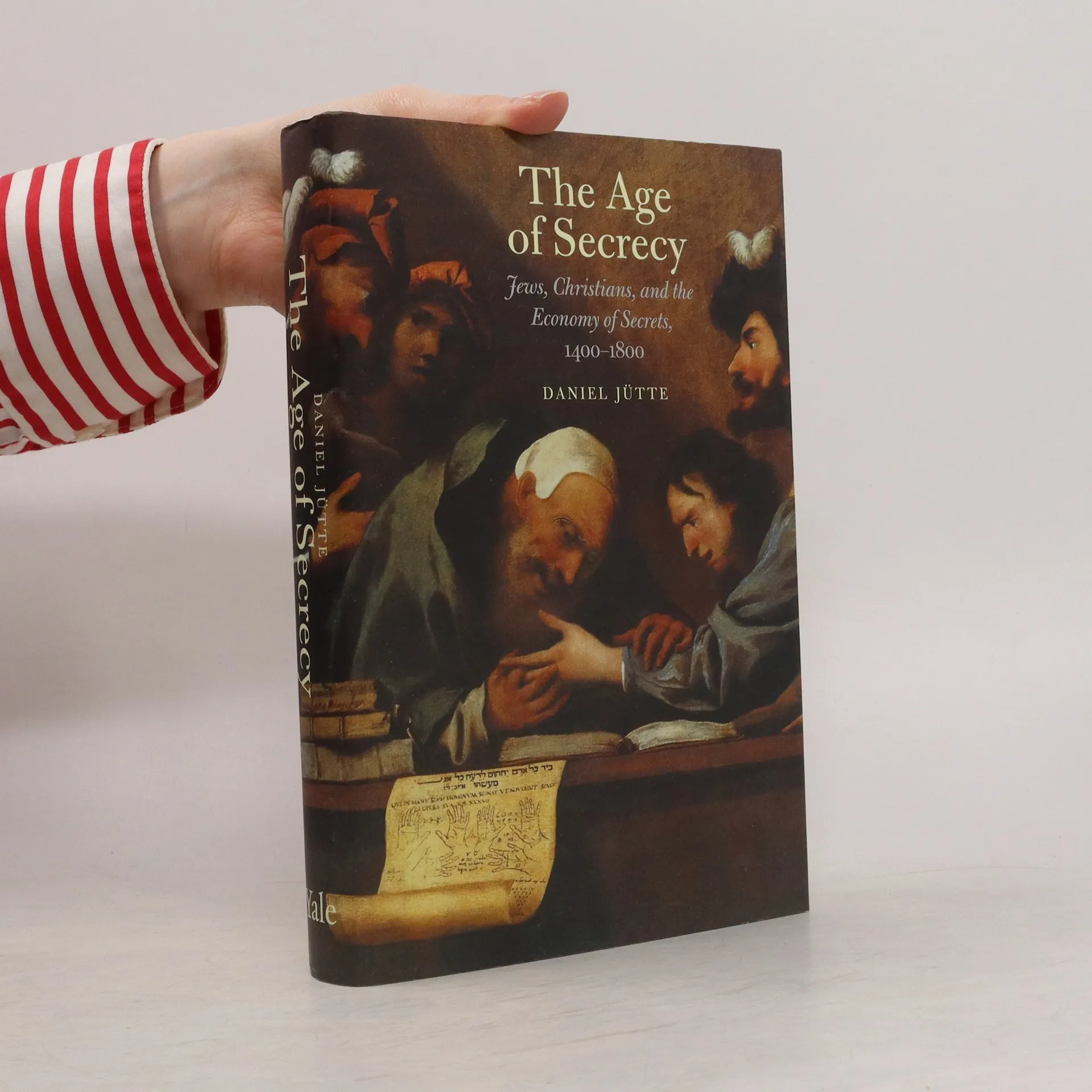
The fifteenth through the eighteenth centuries were truly an Age of Secrecy in Europe, when arcane knowledge was widely believed to be positive knowledge which extended into all areas of daily life. So asserts Daniel Jütte in this engrossing, vivid, and award-winning work. He maintains that the widespread acceptance and even reverence for this “economy of secrets” in premodern Europe created a highly complex and sometimes perilous space for mutual contact between Jews and Christians. Surveying the interactions between the two religious groups in a wide array of secret sciences and practices, the author relates true stories of colorful “professors of secrets” and clandestine encounters. In the process Jütte examines how our current notion of secrecy is radically different in this era of WikiLeaks, Snowden, etc., as opposed to centuries earlier when the truest, most important knowledge was generally considered to be secret by definition.
Zakup książki
The age of secrecy, Daniel Jütte
- Język

- Rok wydania
- 2015
- Oprawa
- (twarda)
Metody płatności
Brakuje nam tutaj Twojej recenzji.
- Tytuł
- The age of secrecy
- Język
- angielski
- Autorzy
- Daniel Jütte
- Wydawca
- Yale University Press
- Rok wydania
- 2015
- Oprawa
- twarda
- Liczba stron
- 431
- ISBN10
- 0300190980
- ISBN13
- 9780300190984
- Seria
- Ocena
- 4,1 z 5
- Opis
- The fifteenth through the eighteenth centuries were truly an Age of Secrecy in Europe, when arcane knowledge was widely believed to be positive knowledge which extended into all areas of daily life. So asserts Daniel Jütte in this engrossing, vivid, and award-winning work. He maintains that the widespread acceptance and even reverence for this “economy of secrets” in premodern Europe created a highly complex and sometimes perilous space for mutual contact between Jews and Christians. Surveying the interactions between the two religious groups in a wide array of secret sciences and practices, the author relates true stories of colorful “professors of secrets” and clandestine encounters. In the process Jütte examines how our current notion of secrecy is radically different in this era of WikiLeaks, Snowden, etc., as opposed to centuries earlier when the truest, most important knowledge was generally considered to be secret by definition.