

Więcej o książce
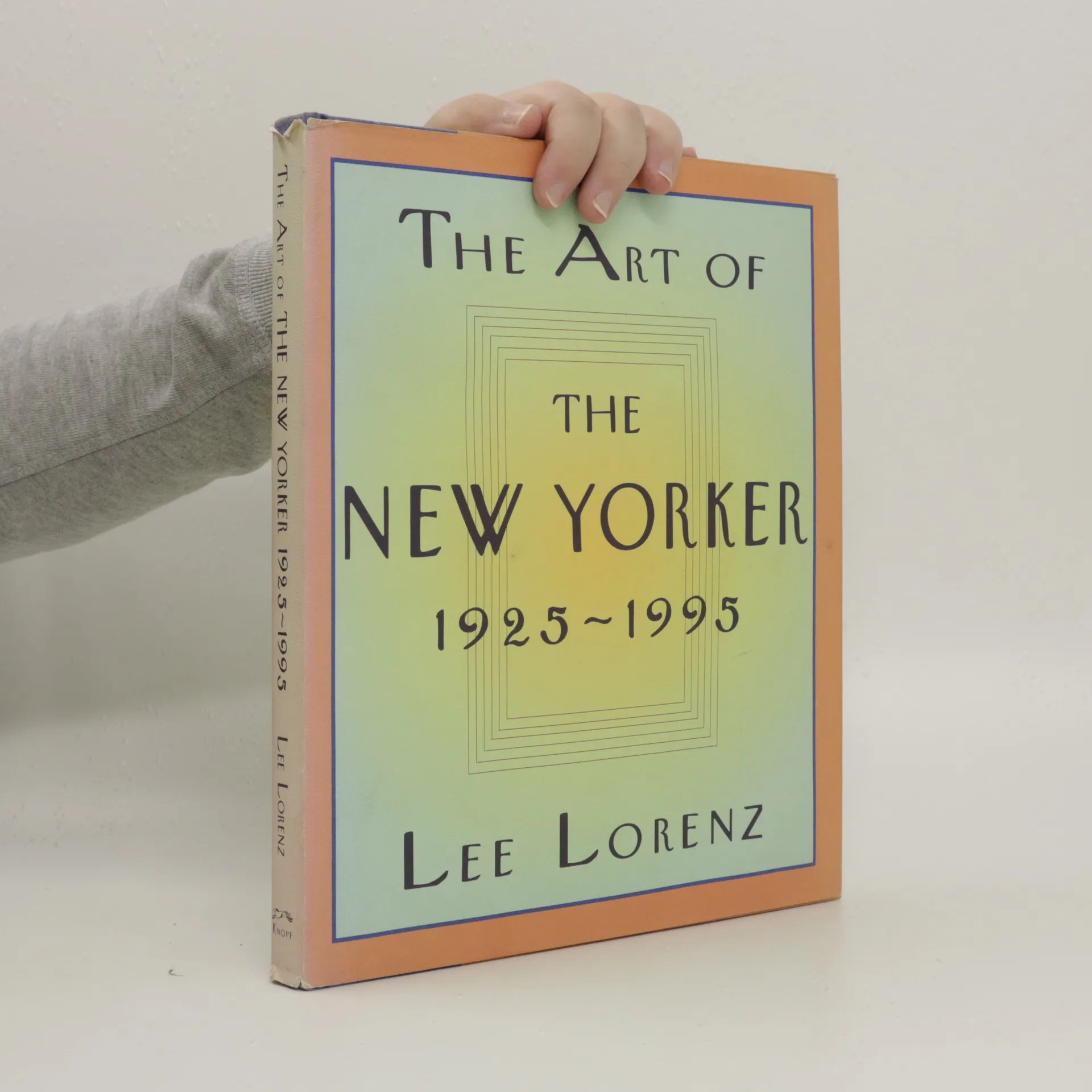
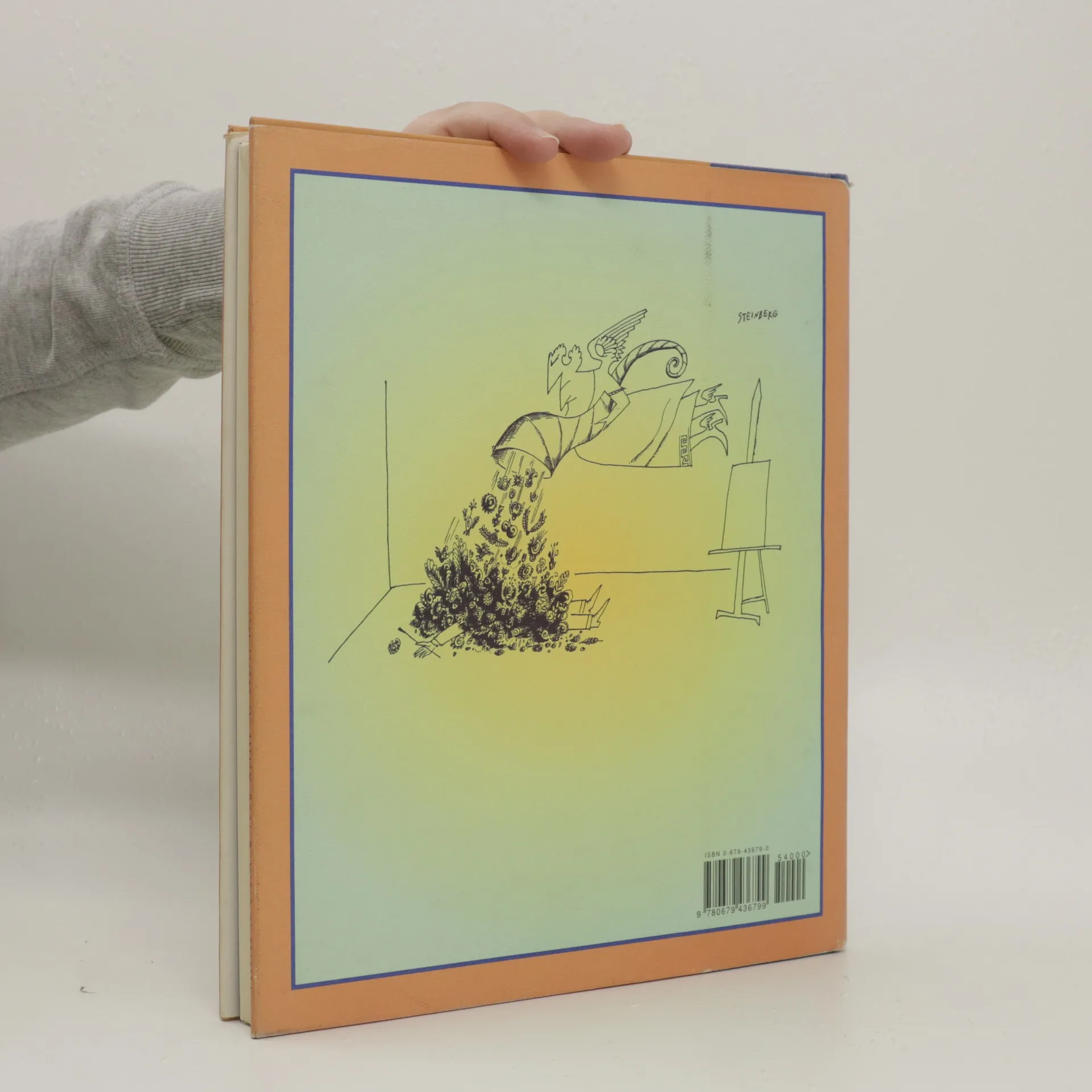
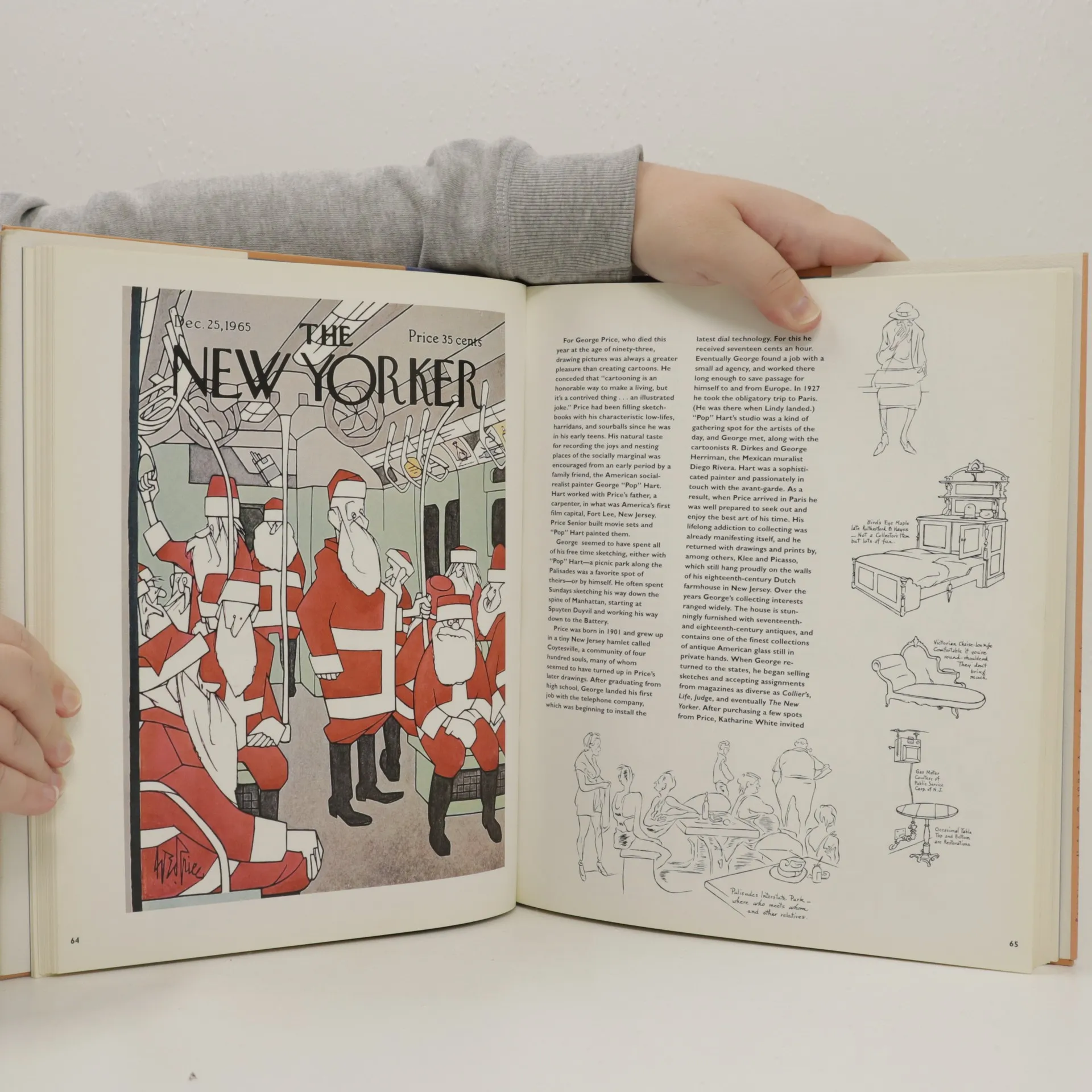
"Lee Lorenz, art editor of The New Yorker for more than two decades, and himself a noted cartoonist, tells and shows how the magazine's distinctive look has gradually developed. In a lively narrative filled with stories of the artists and anecdotes of life at The New Yorker, he talks about the trial and error of the early years as Harold Ross and his fledgling staff worked to translate Ross's original vision into reality. We witness the quiet revolution the magazine effected in cartoons; we see its fresh, vital, and constantly changing ways of commenting on the world in pictures; we learn how the purpose and look of the covers, and the use of various kinds of interior art, have sometimes almost invisibly and sometimes radically changed, and how the art is chosen." "And interspersed throughout the narrative is the art itself, the published, and unpublished, work of Peter Arno, Helen Hokinson, James Thurber, Saul Steinberg, William Steig, George Price, Charles Addams, George Booth, Roz Chast, Edward Sorel, and their singular peers."--BOOK JACKET
Zakup książki
The Art of the New Yorker 1925-1995, Lee Lorenz
- Język

- Rok wydania
- 1995
- Oprawa
- (twarda)
Metody płatności
Brakuje nam tutaj Twojej recenzji.
- Tytuł
- The Art of the New Yorker 1925-1995
- Język
- angielski
- Autorzy
- Lee Lorenz
- Wydawca
- Knopf
- Rok wydania
- 1995
- Oprawa
- twarda
- Liczba stron
- 200
- ISBN10
- 0679436790
- ISBN13
- 9780679436799
- Seria
- Kategorie
- Tagi
- Sztuka
- Ocena
- 4,4 z 5
- Opis
- "Lee Lorenz, art editor of The New Yorker for more than two decades, and himself a noted cartoonist, tells and shows how the magazine's distinctive look has gradually developed. In a lively narrative filled with stories of the artists and anecdotes of life at The New Yorker, he talks about the trial and error of the early years as Harold Ross and his fledgling staff worked to translate Ross's original vision into reality. We witness the quiet revolution the magazine effected in cartoons; we see its fresh, vital, and constantly changing ways of commenting on the world in pictures; we learn how the purpose and look of the covers, and the use of various kinds of interior art, have sometimes almost invisibly and sometimes radically changed, and how the art is chosen." "And interspersed throughout the narrative is the art itself, the published, and unpublished, work of Peter Arno, Helen Hokinson, James Thurber, Saul Steinberg, William Steig, George Price, Charles Addams, George Booth, Roz Chast, Edward Sorel, and their singular peers."--BOOK JACKET