


Więcej o książce
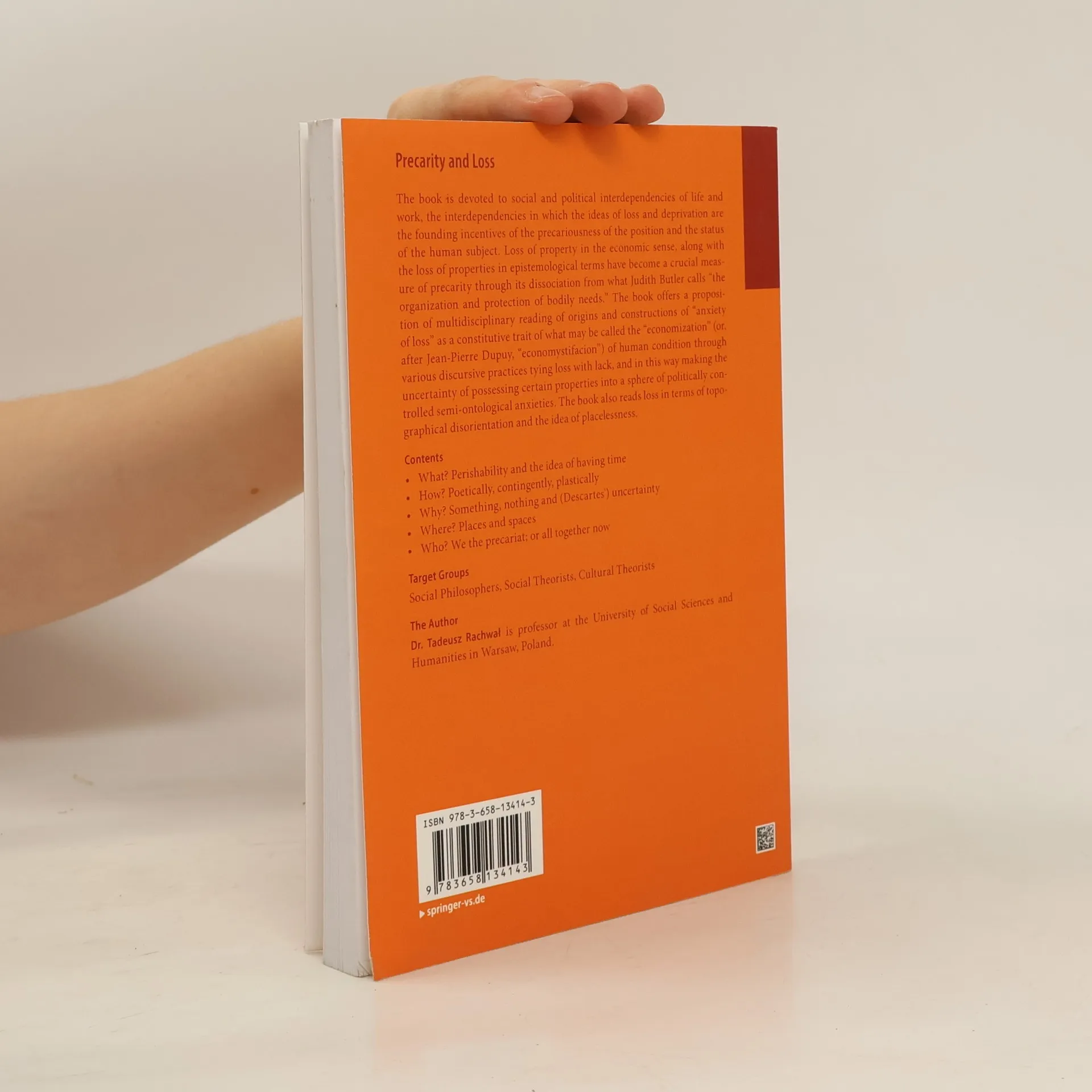
The book is devoted to social and political interdependencies of life and work, the interdependencies in which the ideas of loss and deprivation are the founding incentives of the precariousness of the position and the status of the human subject. Loss of property in the economic sense, along with the loss of properties in epistemological terms have become a crucial measure of precarity through its dissociation from what Judith Butler calls “the organization and protection of bodily needs.” The book offers a proposition of multidisciplinary reading of origins and constructions of “anxiety of loss” as a constitutive trait of what may be called the “economization” (or, after Jean-Pierre Dupuy, “economystifacion”) of human condition through various discursive practices tying loss with lack, and in this way making the uncertainty of possessing certain properties into a sphere of politically controlled semi-ontological anxieties. The book also reads loss in terms of topographical disorientation and the idea of placelessness.
Zakup książki
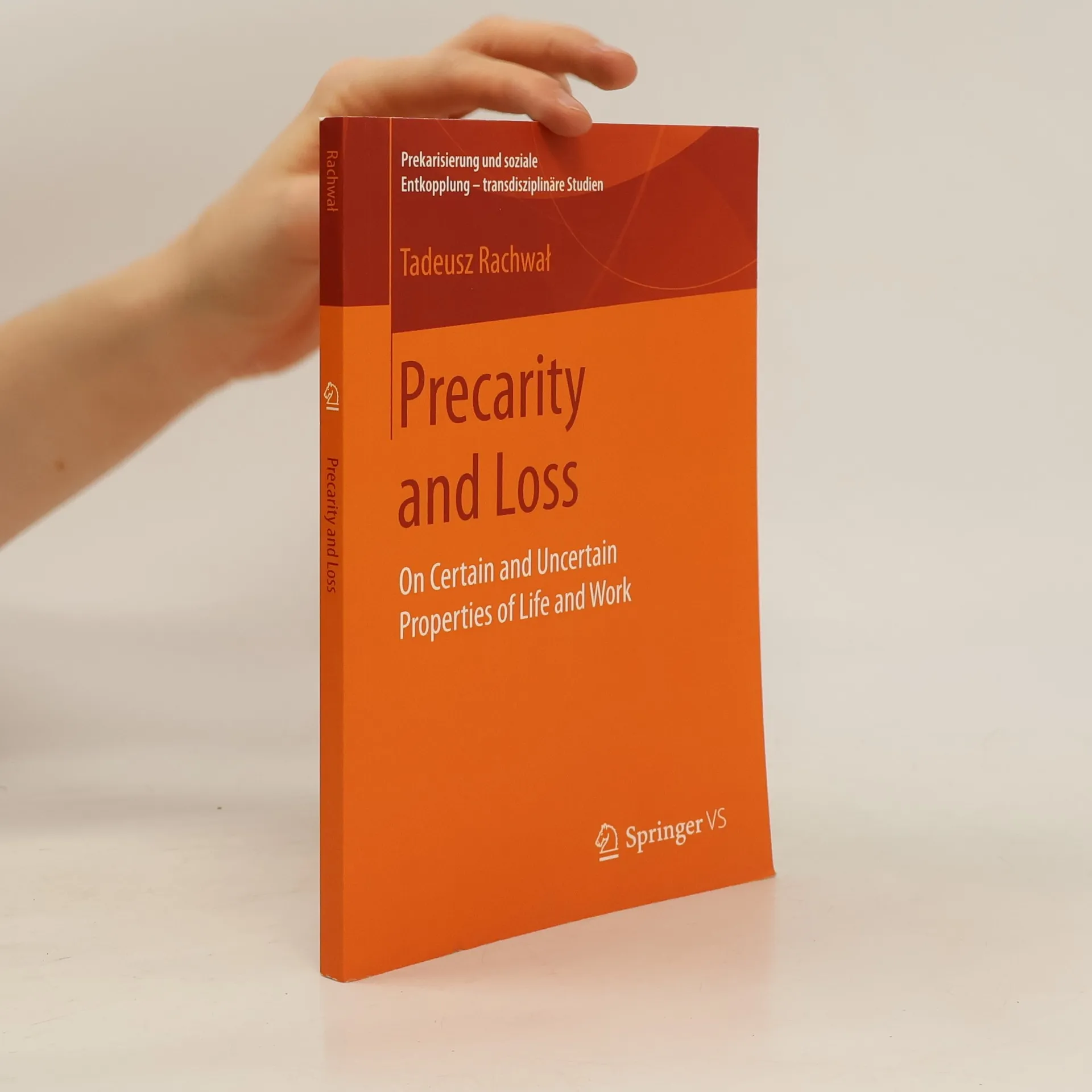
Precarity and Loss, Tadeusz Rachwał
- Język

- Rok wydania
- 2017
- Oprawa
- (miękka)
Metody płatności
Nikt jeszcze nie ocenił.
- Tytuł
- Precarity and Loss
- Podtytuł
- On Certain and Uncertain Properties of Life and Work
- Język
- angielski
- Autorzy
- Tadeusz Rachwał
- Wydawca
- Springer VS
- Rok wydania
- 2017
- Oprawa
- miękka
- Liczba stron
- 146
- ISBN10
- 3658134143
- ISBN13
- 9783658134143
- Seria
- Kategorie
- Tagi
- Opis
- The book is devoted to social and political interdependencies of life and work, the interdependencies in which the ideas of loss and deprivation are the founding incentives of the precariousness of the position and the status of the human subject. Loss of property in the economic sense, along with the loss of properties in epistemological terms have become a crucial measure of precarity through its dissociation from what Judith Butler calls “the organization and protection of bodily needs.” The book offers a proposition of multidisciplinary reading of origins and constructions of “anxiety of loss” as a constitutive trait of what may be called the “economization” (or, after Jean-Pierre Dupuy, “economystifacion”) of human condition through various discursive practices tying loss with lack, and in this way making the uncertainty of possessing certain properties into a sphere of politically controlled semi-ontological anxieties. The book also reads loss in terms of topographical disorientation and the idea of placelessness.