



Parametry
- 272 strony
- 10 godzin czytania
Więcej o książce
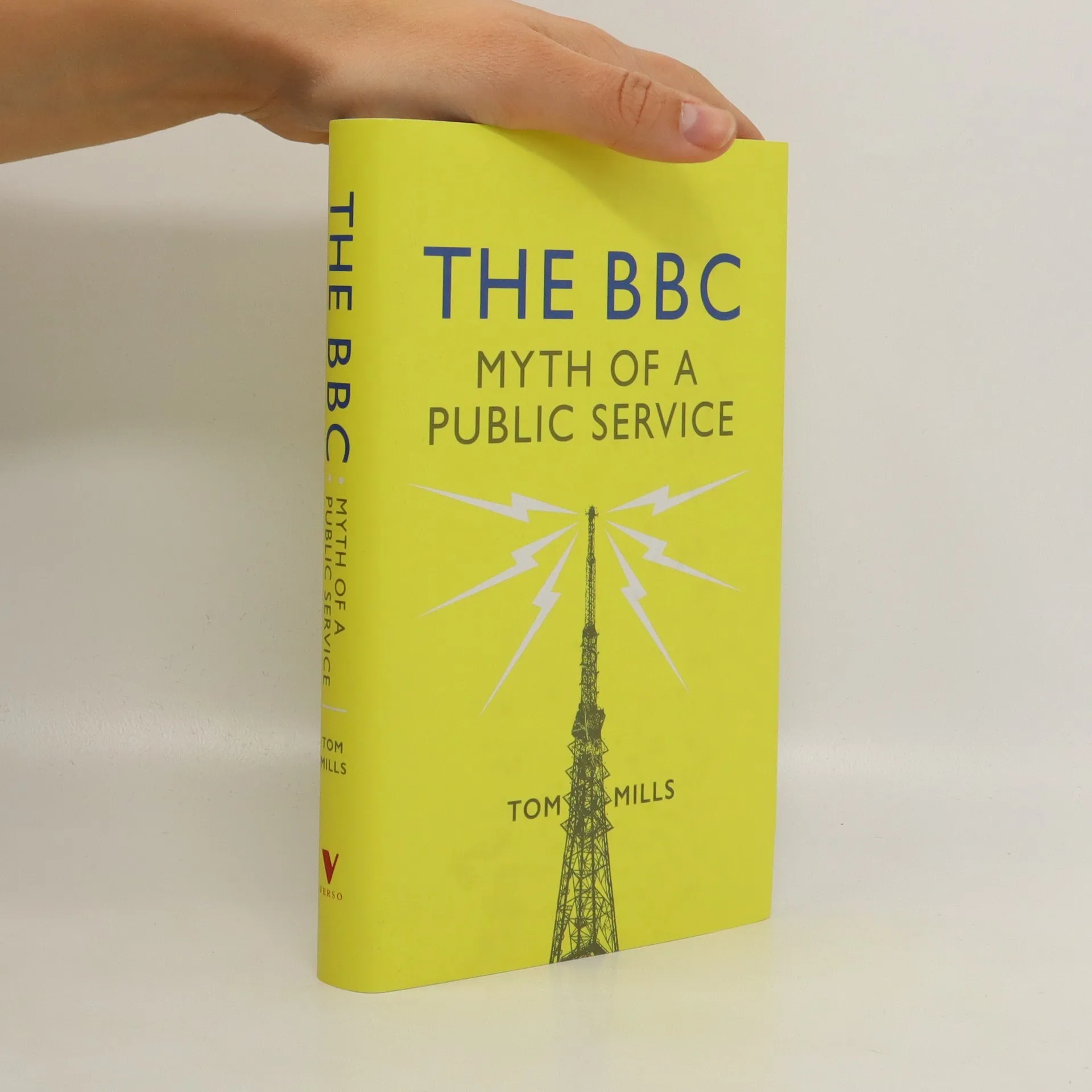
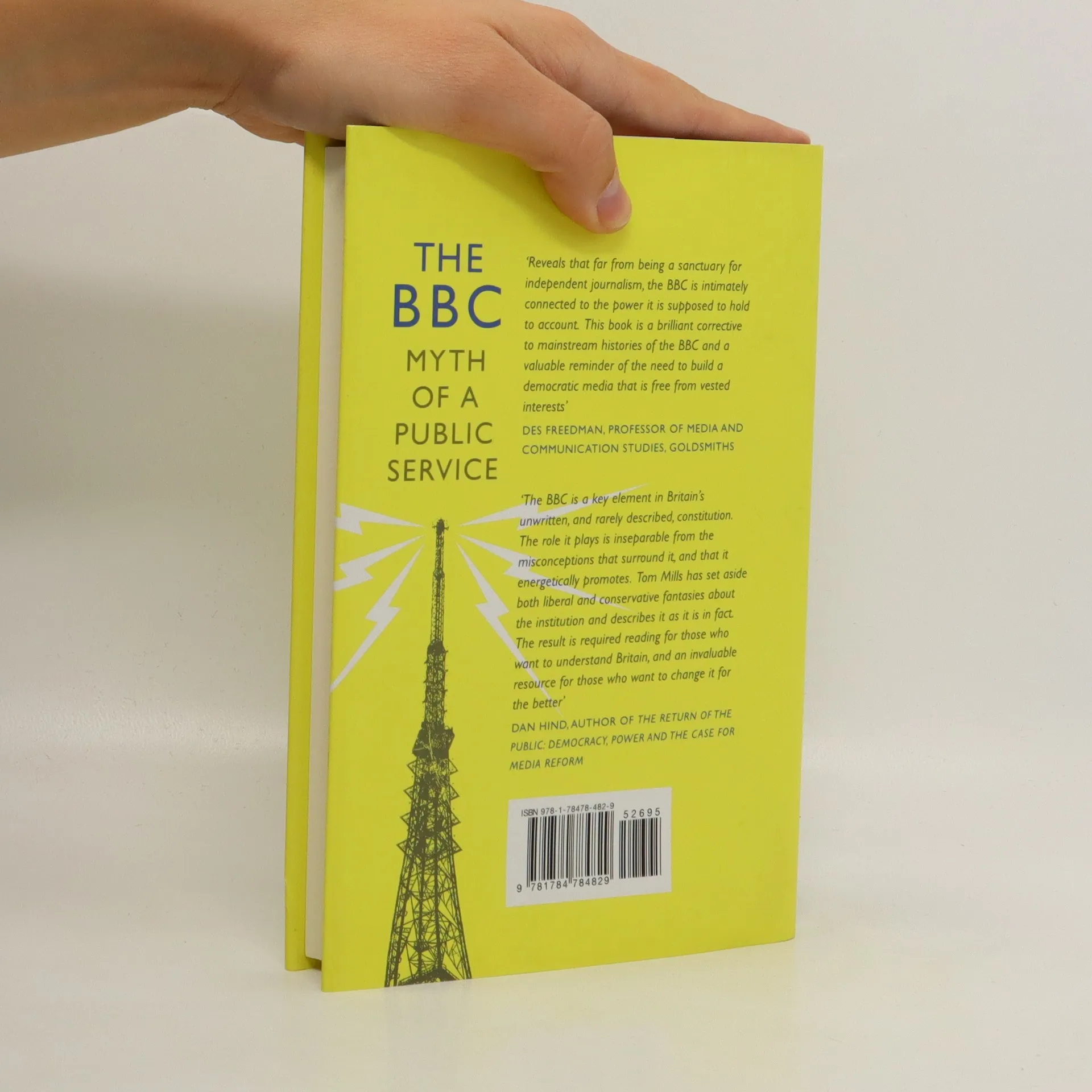
The BBC: the mouthpiece of the Establishment? The BBC is one of the most important institutions in Britain; it is also one of the most misunderstood. Despite its claim to be independent and impartial, and the constant accusations of a liberal bias, the BBC has always sided with the elite. As Tom Mills demonstrates, we are only getting the news that the Establishment wants aired in public. Throughout its existence, the BBC has been in thrall to those in power. This was true in 1926 when it stood against the workers during the General Strike, and since then the Corporation has continued to mute the voices of those who oppose the status quo: miners in 1984; anti-war protesters in 2003; those who offer alternatives to austerity economics since 2008. From the outset much of its activity has been scrutinised by the secret services at the invitation of those in charge. Since the 1990s the BBC has been integrated into the market, while its independence from government and big business has been steadily eroded. The BBC is an important and timely examination of a crucial public institution that is constantly under threat.
Zakup książki
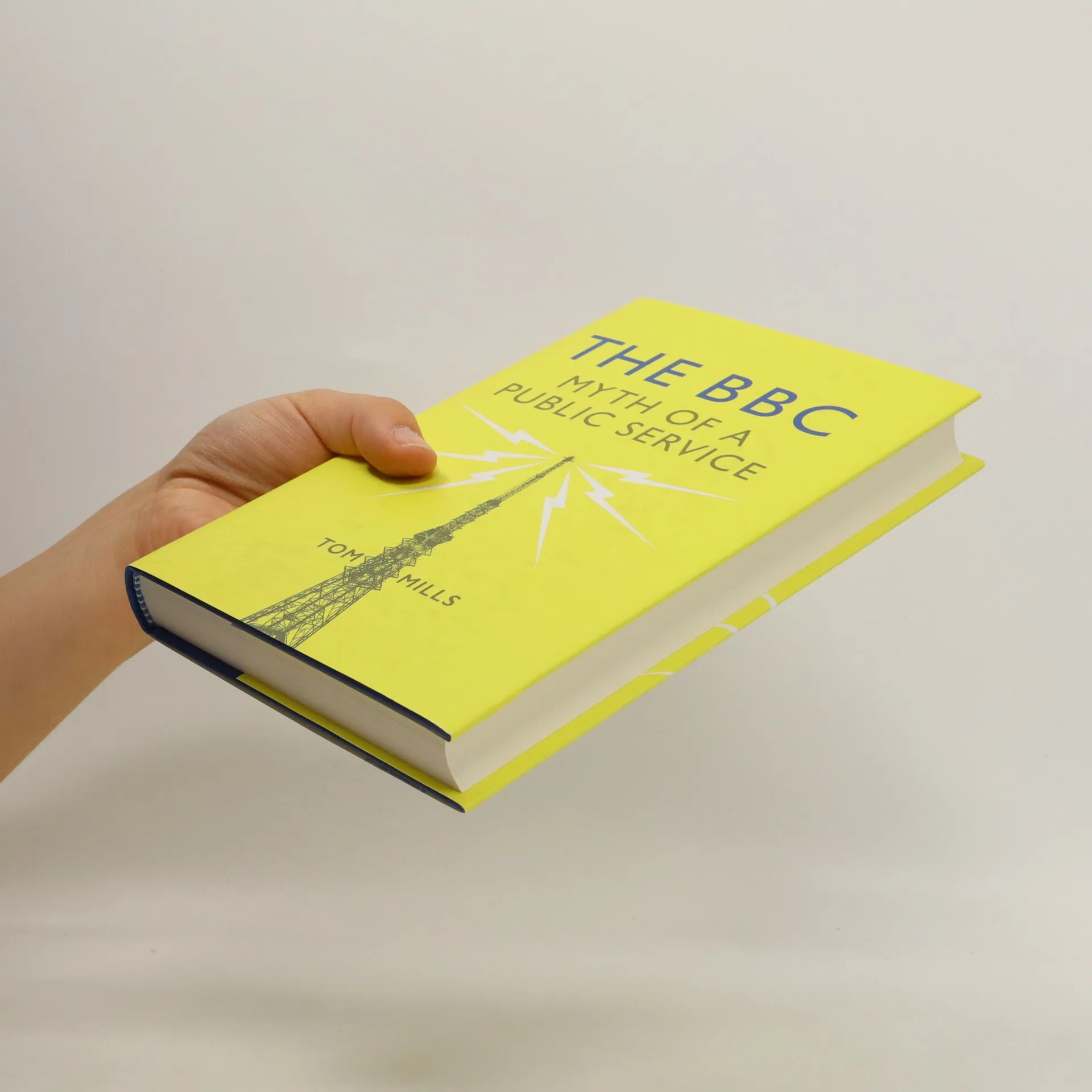
The BBC : Myth of a Public Service, Tom Mills
- Język

- Rok wydania
- 2016
- Oprawa
- (twarda)
Metody płatności
Brakuje nam tutaj Twojej recenzji.
- Tytuł
- The BBC : Myth of a Public Service
- Język
- angielski
- Autorzy
- Tom Mills
- Wydawca
- Verso Books
- Rok wydania
- 2016
- Oprawa
- twarda
- Liczba stron
- 272
- ISBN10
- 1784784826
- ISBN13
- 9781784784829
- Seria
- Kategorie
- Tagi
- Tematy historyczne, Polityka, Literatura brytyjska, Prezenty dla dziadka, Dziennikarstwo & Publicystyka
- Ocena
- 3,6 z 5
- Opis
- The BBC: the mouthpiece of the Establishment? The BBC is one of the most important institutions in Britain; it is also one of the most misunderstood. Despite its claim to be independent and impartial, and the constant accusations of a liberal bias, the BBC has always sided with the elite. As Tom Mills demonstrates, we are only getting the news that the Establishment wants aired in public. Throughout its existence, the BBC has been in thrall to those in power. This was true in 1926 when it stood against the workers during the General Strike, and since then the Corporation has continued to mute the voices of those who oppose the status quo: miners in 1984; anti-war protesters in 2003; those who offer alternatives to austerity economics since 2008. From the outset much of its activity has been scrutinised by the secret services at the invitation of those in charge. Since the 1990s the BBC has been integrated into the market, while its independence from government and big business has been steadily eroded. The BBC is an important and timely examination of a crucial public institution that is constantly under threat.