

Więcej o książce
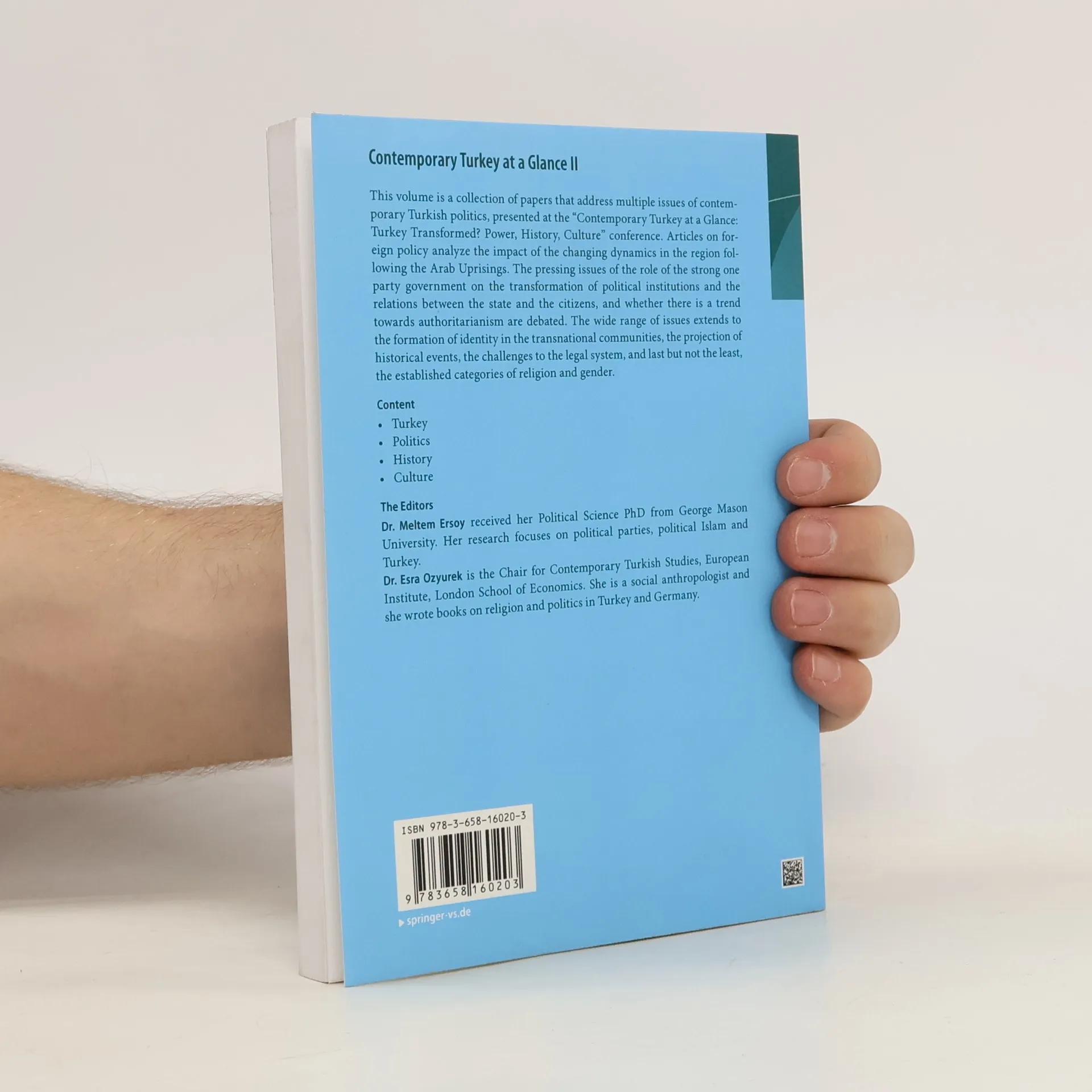
This volume is a collection of papers that address multiple issues of contemporary Turkish politics, presented at the “Contemporary Turkey at a Glance: Turkey Transformed? Power, History, Culture” conference. Articles on foreign policy analyze the impact of the changing dynamics in the region following the Arab Uprisings. The pressing issues of the role of the strong one party government on the transformation of political institutions and the relations between the state and the citizens, and whether there is a trend towards authoritarianism are debated. The wide range of issues extends to the formation of identity in the transnational communities, the projection of historical events, the challenges to the legal system, and last but not the least, the established categories of religion and gender.
Zakup książki
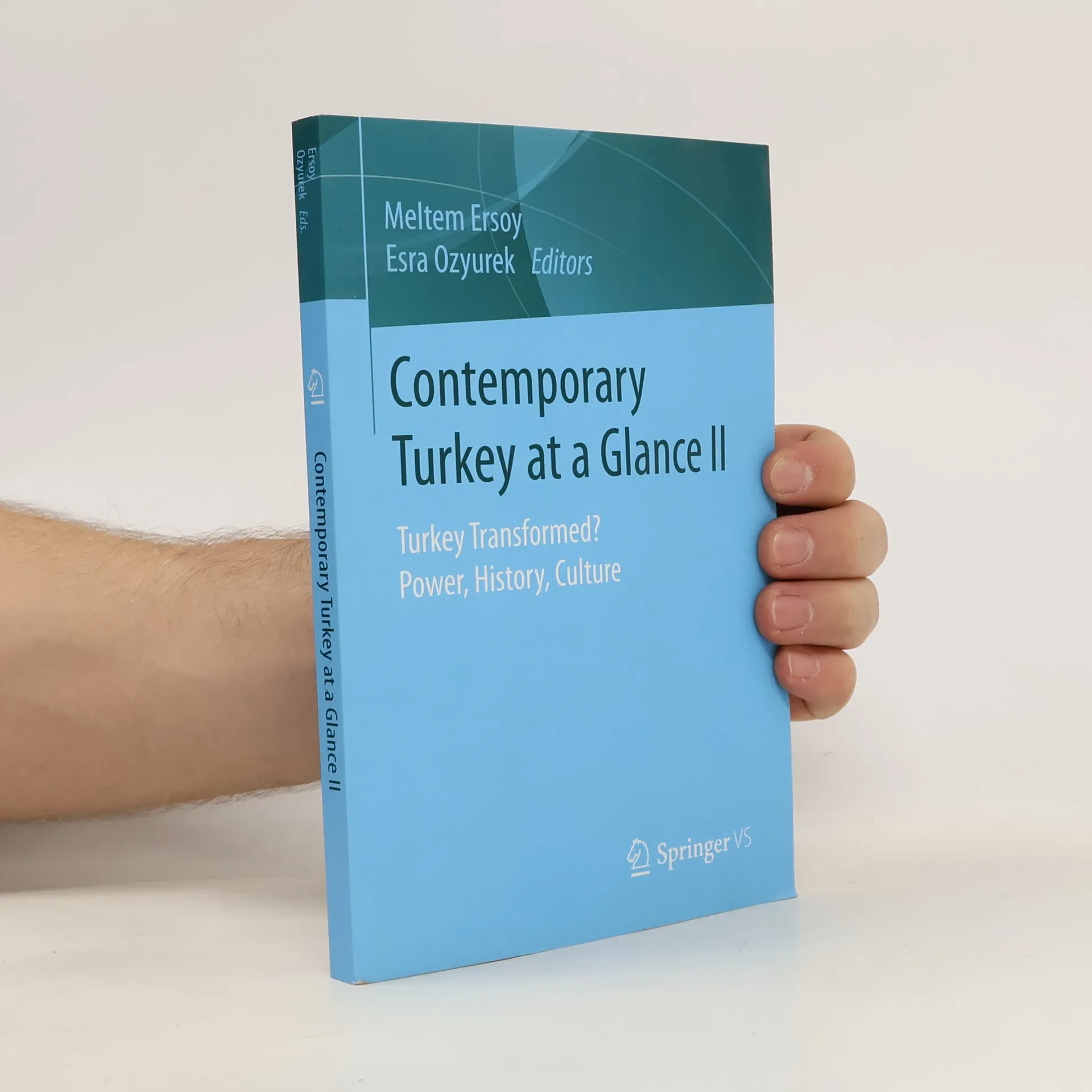
Contemporary Turkey at a Glance II, Meltem Ersoy
- Język

- Rok wydania
- 2017
- Oprawa
- (miękka)
Metody płatności
Nikt jeszcze nie ocenił.
- Tytuł
- Contemporary Turkey at a Glance II
- Podtytuł
- Turkey Transformed? Power, History, Culture
- Język
- angielski
- Autorzy
- Meltem Ersoy
- Wydawca
- Springer VS
- Rok wydania
- 2017
- Oprawa
- miękka
- Liczba stron
- 208
- ISBN10
- 3658160209
- ISBN13
- 9783658160203
- Seria
- Kategorie
- Opis
- This volume is a collection of papers that address multiple issues of contemporary Turkish politics, presented at the “Contemporary Turkey at a Glance: Turkey Transformed? Power, History, Culture” conference. Articles on foreign policy analyze the impact of the changing dynamics in the region following the Arab Uprisings. The pressing issues of the role of the strong one party government on the transformation of political institutions and the relations between the state and the citizens, and whether there is a trend towards authoritarianism are debated. The wide range of issues extends to the formation of identity in the transnational communities, the projection of historical events, the challenges to the legal system, and last but not the least, the established categories of religion and gender.