

Więcej o książce
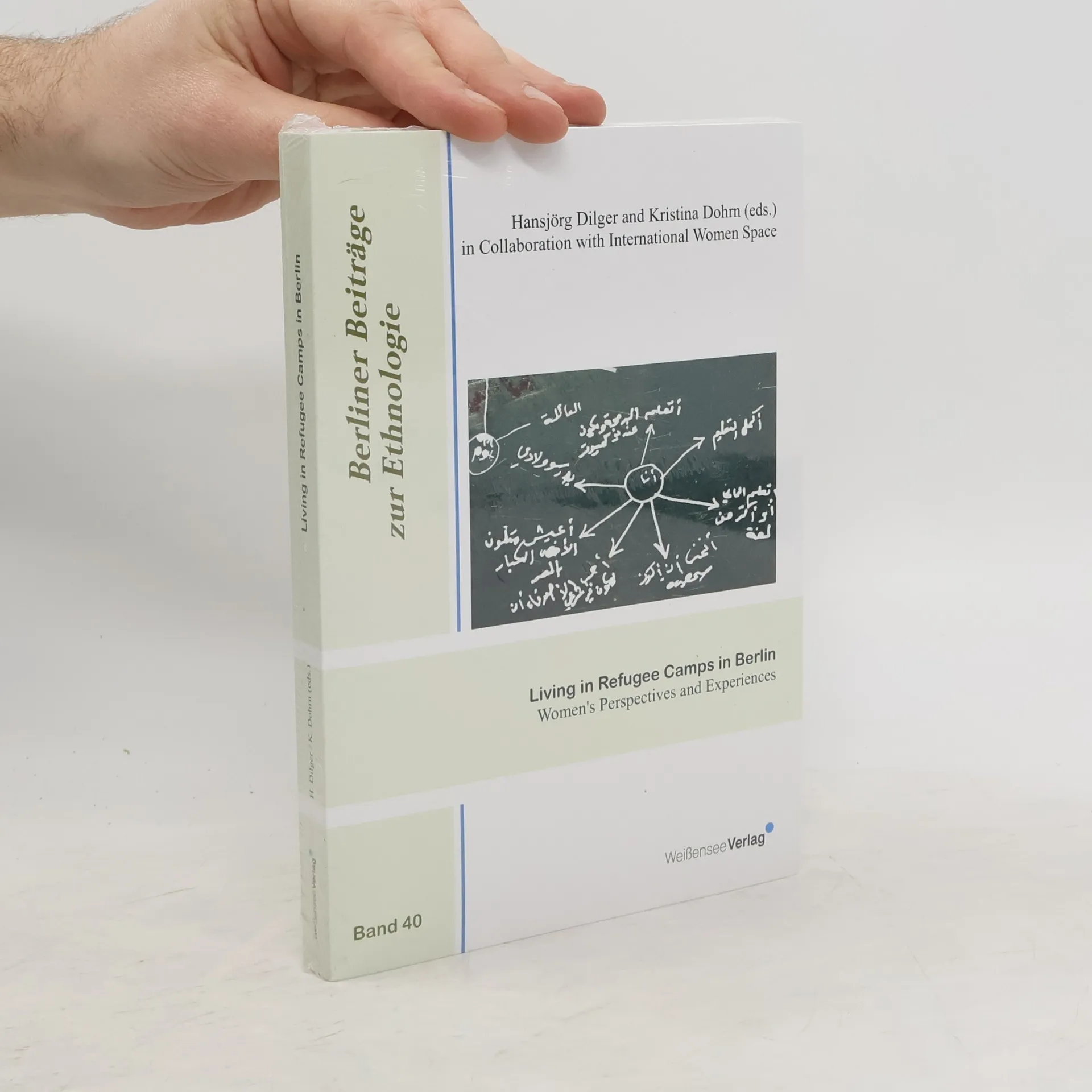
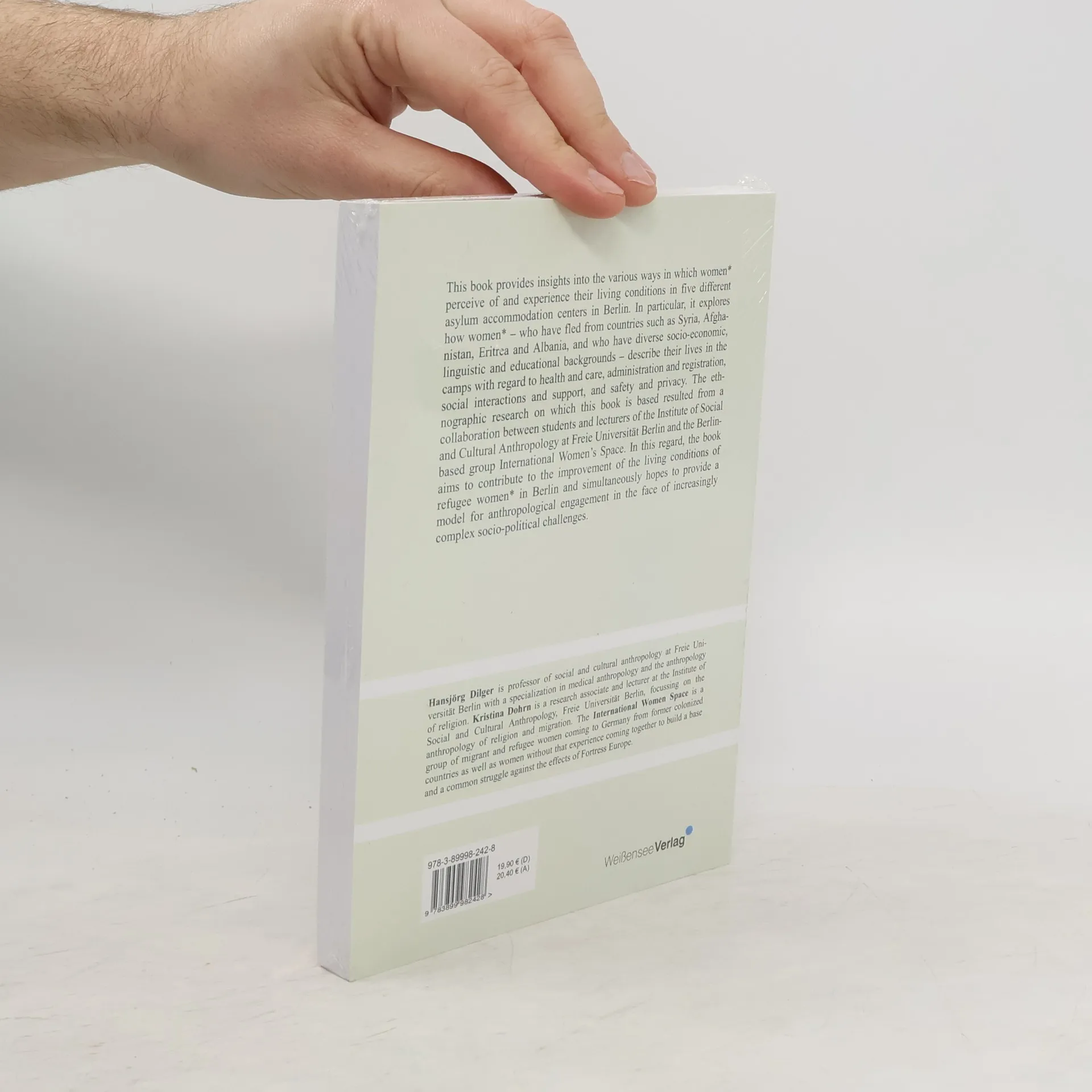
In the summer and fall of 2015, 1.1 million people arrived in Germany seeking asylum, marking the onset of the “refugee crisis.” A critical examination of media portrayals reveals that the diversity and individuality of these refugees are often reduced to stereotypes, accompanied by specific privileges and rights that are either granted or denied. Notably, women are frequently absent from these narratives, leading to a lack of attention to their unique experiences, vulnerabilities, and needs during their journeys and in refugee camps. This oversight is significant, as the UNHCR reported an increase in the percentage of refugee women and children arriving in Greece, from 27% in June 2015 to 55% in January 2016. The book delves into how women from countries like Syria, Afghanistan, Eritrea, and Albania perceive and experience their living conditions in five asylum accommodation centers in Berlin. It examines aspects such as health care, administrative processes, social interactions, and issues of safety and privacy. The ethnographic research stems from a collaboration between students and lecturers at the Institute of Social and Cultural Anthropology at Freie Universität Berlin and International Women’s Space. Ultimately, the book aims to enhance the living conditions of refugee women in Berlin and serves as a model for anthropological engagement amid complex socio-political challenges.
Zakup książki
Living in refugee camps in Berlin, Hansjörg Dilger
- Język

- Rok wydania
- 2016
- Oprawa
- (miękka)
Metody płatności
Nikt jeszcze nie ocenił.
- Tytuł
- Living in refugee camps in Berlin
- Język
- angielski
- Autorzy
- Hansjörg Dilger
- Wydawca
- Weißensee Verlag
- Rok wydania
- 2016
- Oprawa
- miękka
- Liczba stron
- 308
- ISBN10
- 3899982428
- ISBN13
- 9783899982428
- Seria
- Kategorie
- Opis
- In the summer and fall of 2015, 1.1 million people arrived in Germany seeking asylum, marking the onset of the “refugee crisis.” A critical examination of media portrayals reveals that the diversity and individuality of these refugees are often reduced to stereotypes, accompanied by specific privileges and rights that are either granted or denied. Notably, women are frequently absent from these narratives, leading to a lack of attention to their unique experiences, vulnerabilities, and needs during their journeys and in refugee camps. This oversight is significant, as the UNHCR reported an increase in the percentage of refugee women and children arriving in Greece, from 27% in June 2015 to 55% in January 2016. The book delves into how women from countries like Syria, Afghanistan, Eritrea, and Albania perceive and experience their living conditions in five asylum accommodation centers in Berlin. It examines aspects such as health care, administrative processes, social interactions, and issues of safety and privacy. The ethnographic research stems from a collaboration between students and lecturers at the Institute of Social and Cultural Anthropology at Freie Universität Berlin and International Women’s Space. Ultimately, the book aims to enhance the living conditions of refugee women in Berlin and serves as a model for anthropological engagement amid complex socio-political challenges.