

Więcej o książce
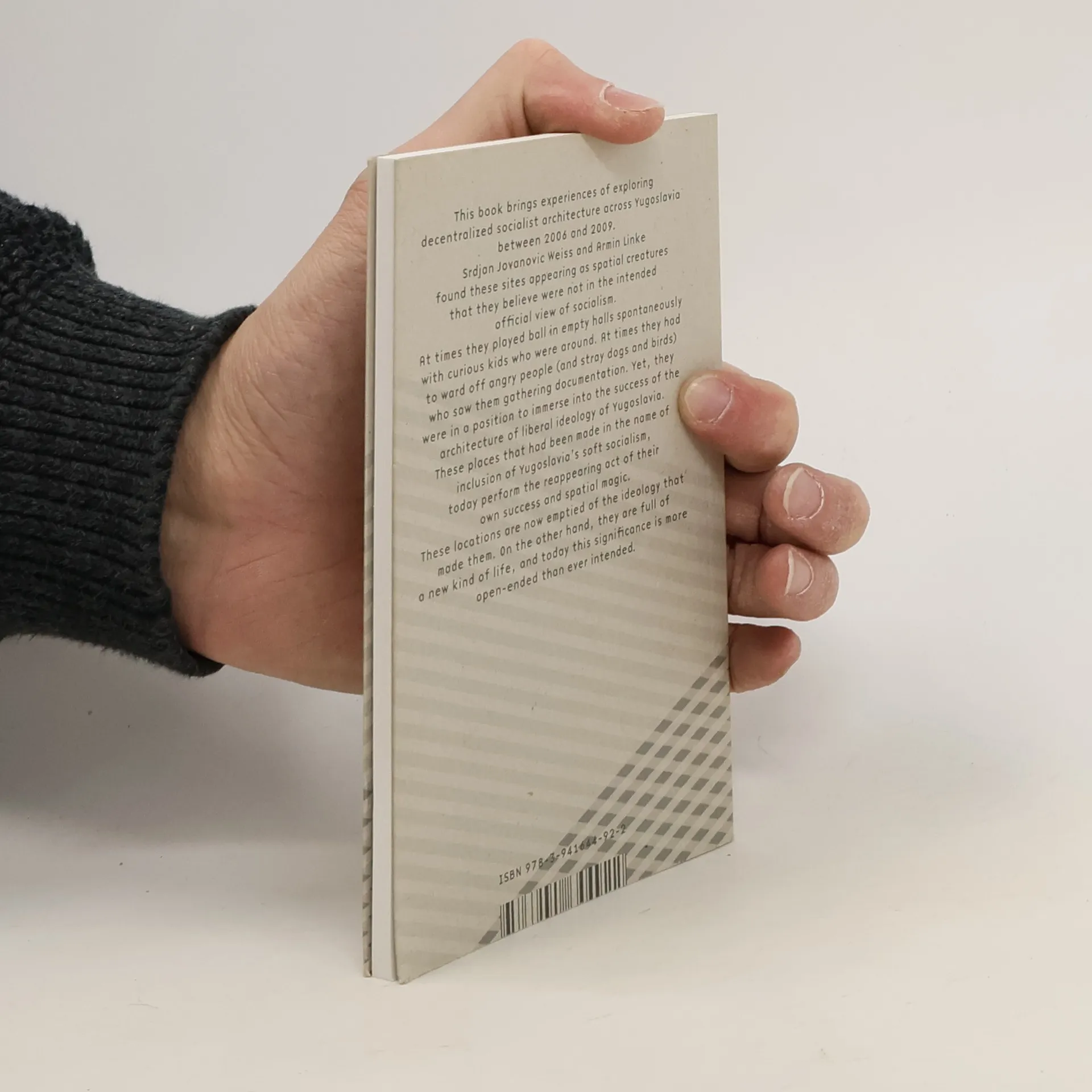
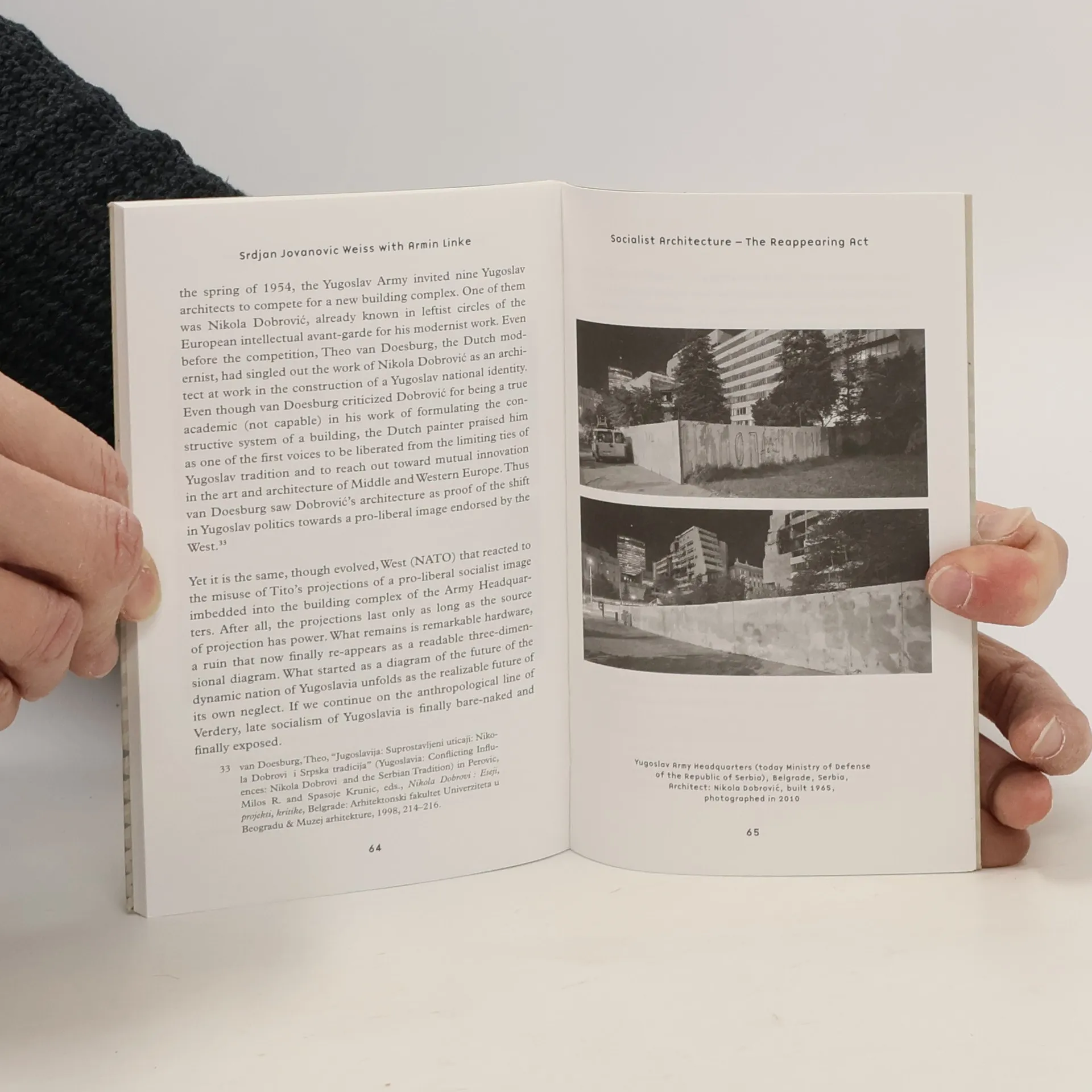
This book brings experiences of exploring decentralised socialist architecture across Yugoslavia between 2006 and 2009. Srdjan Jovanovic Weiss and Armin Linke found these sites appearing as spatial creatures that they believe were not in the intended official view of socialism. At times they played ball in empty halls spontaneously with curious kids who were around. At times they had to ward off angry people (and stray dogs and birds) who saw them gathering documentation. Yet, they were in a position to immerse into the success of the architecture of liberal idealogy in socialist Yugoslavia. These places that had been made in the name of inclusion of Yugoslavia's soft socialism, today perform the reappearing act of their own success and spatial magic. These locations are now emptied of the idealogy that made them. On the other hand, they are full of a new kind of life, and today this signifcance is more open-ended than ever intended.
Zakup książki
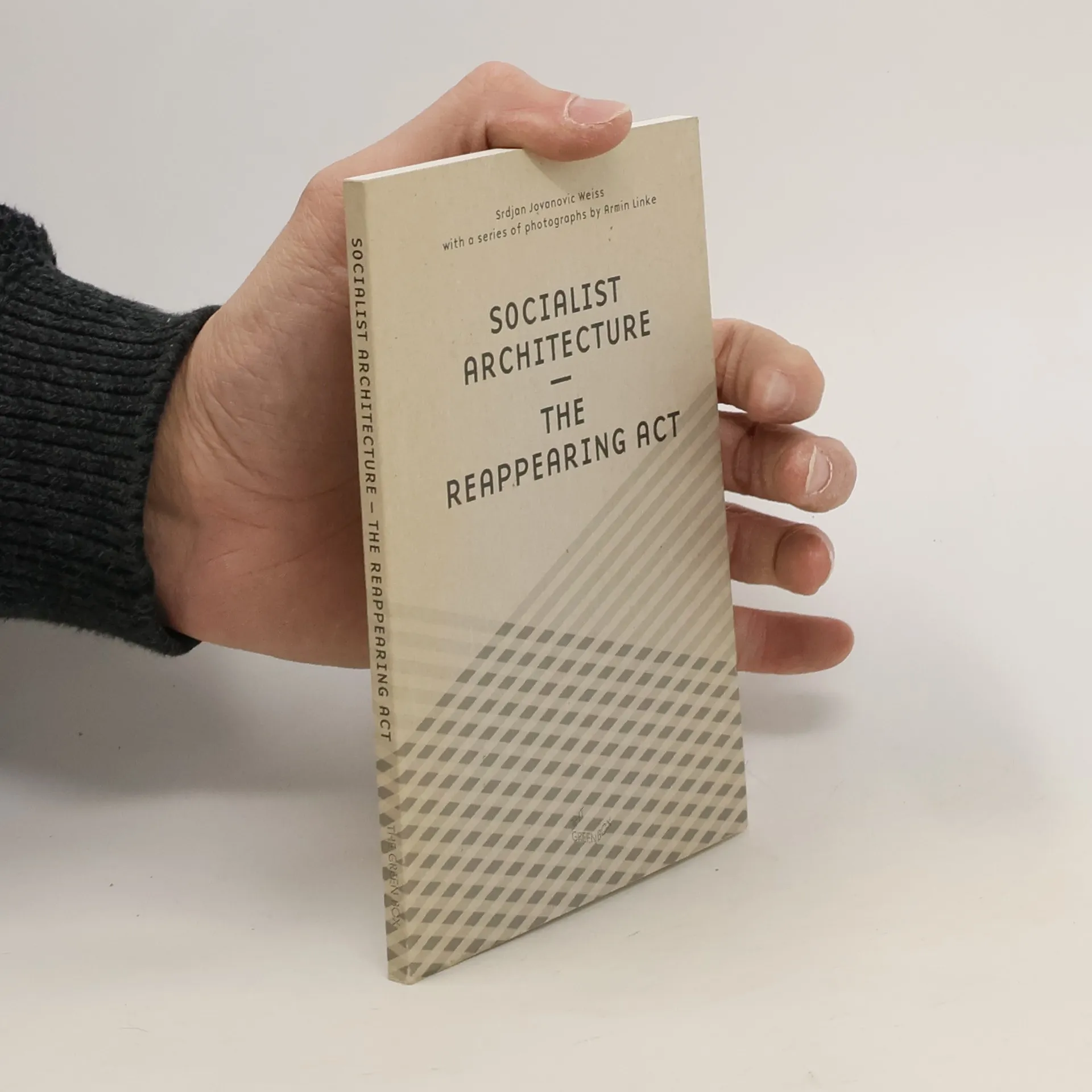
Socialist architecture - the reappearing act, Srdjan Jovanovic Weiss
- Język

- Rok wydania
- 2017
- Oprawa
- (miękka)
Metody płatności
Brakuje nam tutaj Twojej recenzji.
- Tytuł
- Socialist architecture - the reappearing act
- Język
- angielski
- Autorzy
- Srdjan Jovanovic Weiss
- Wydawca
- The Green Box
- Rok wydania
- 2017
- Oprawa
- miękka
- Liczba stron
- 68
- ISBN10
- 3941644920
- ISBN13
- 9783941644922
- Seria
- Tagi
- Architektura
- Ocena
- 3,65 z 5
- Opis
- This book brings experiences of exploring decentralised socialist architecture across Yugoslavia between 2006 and 2009. Srdjan Jovanovic Weiss and Armin Linke found these sites appearing as spatial creatures that they believe were not in the intended official view of socialism. At times they played ball in empty halls spontaneously with curious kids who were around. At times they had to ward off angry people (and stray dogs and birds) who saw them gathering documentation. Yet, they were in a position to immerse into the success of the architecture of liberal idealogy in socialist Yugoslavia. These places that had been made in the name of inclusion of Yugoslavia's soft socialism, today perform the reappearing act of their own success and spatial magic. These locations are now emptied of the idealogy that made them. On the other hand, they are full of a new kind of life, and today this signifcance is more open-ended than ever intended.