


Więcej o książce
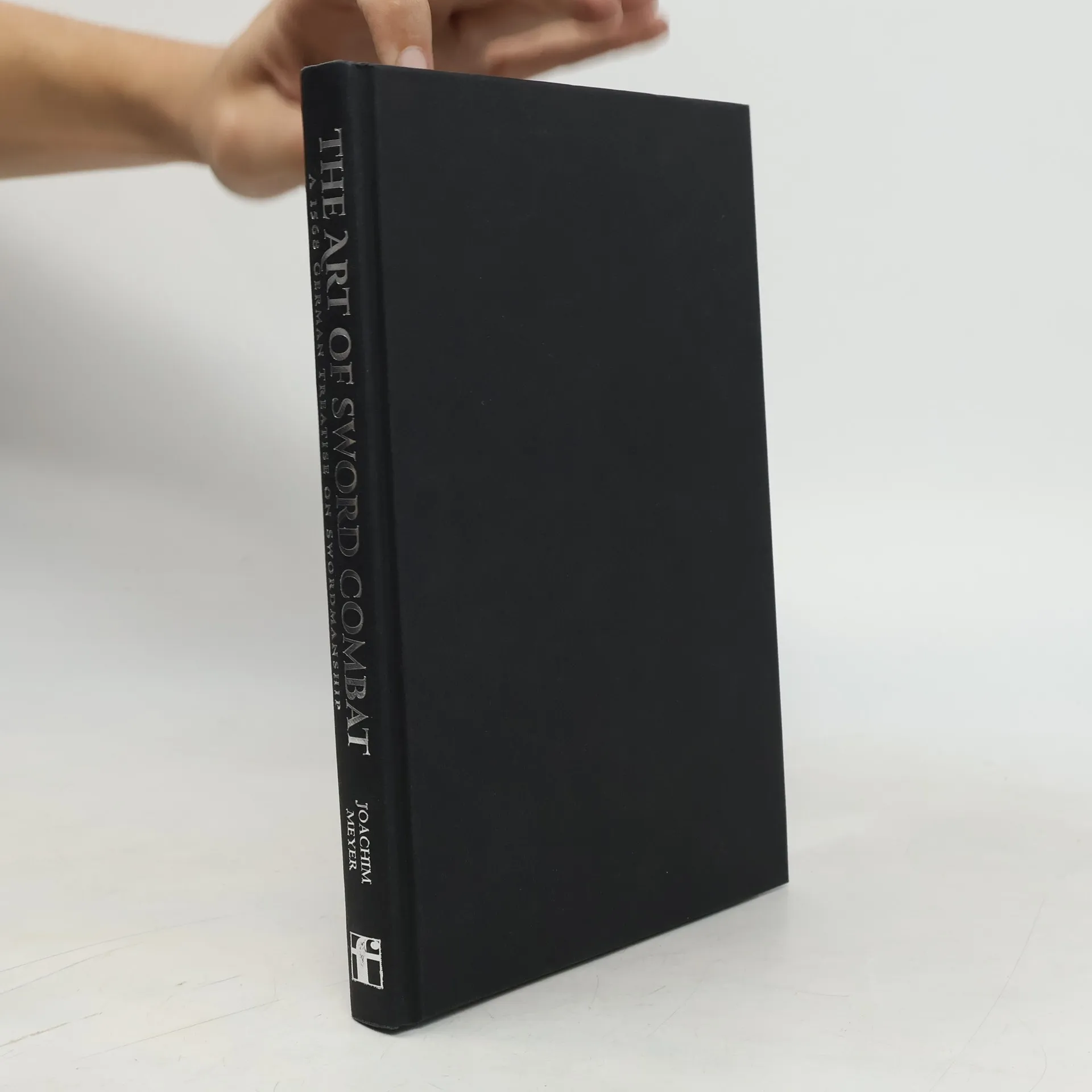
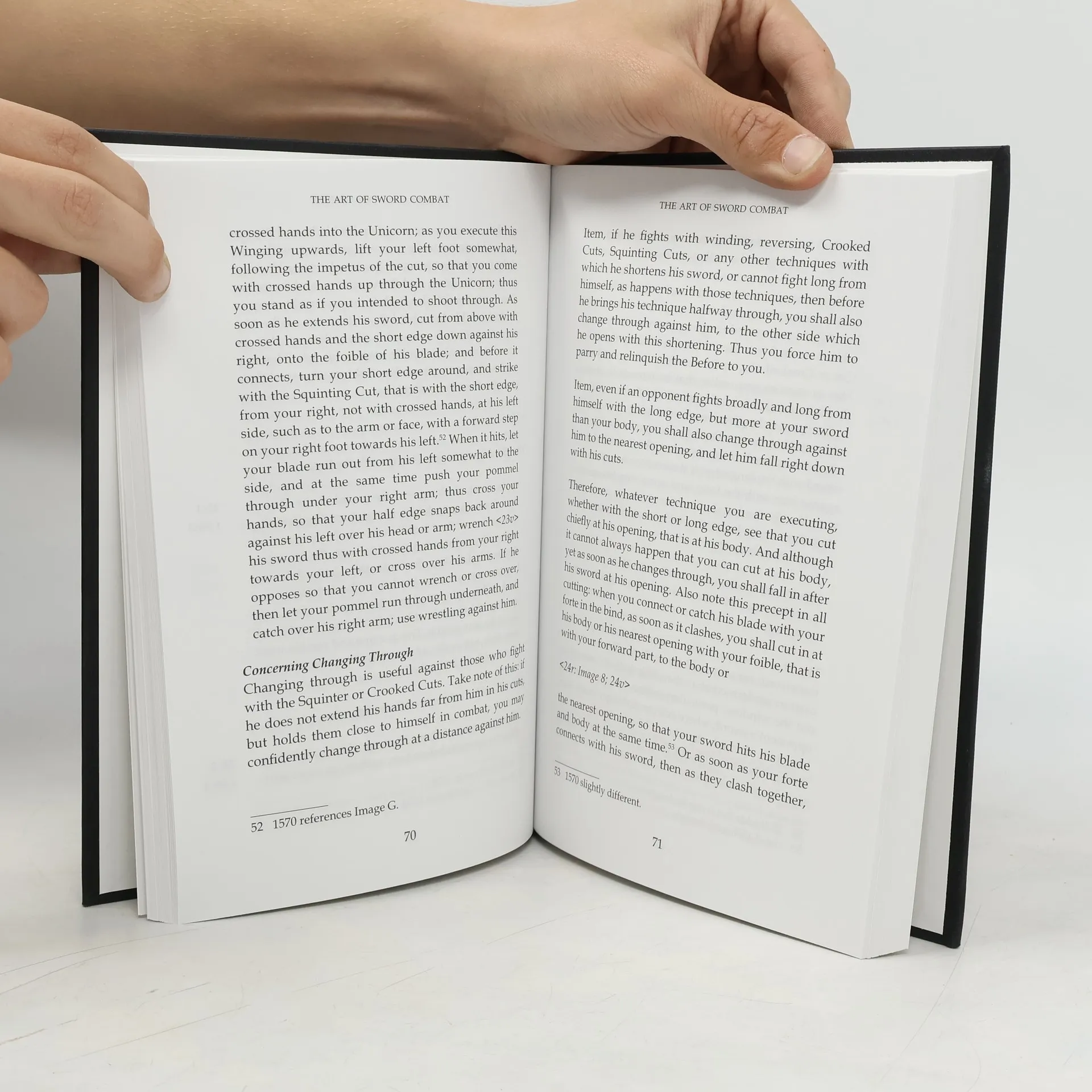
Following the success of Jeffrey L. Forgeng's translation of Joachim Meyer's The Art of Sword Combat the author was alerted to an earlier recension of the work which was discovered in Lund University Library in Sweden. The manuscript, produced in Strassburg around 1568, is illustrated with thirty watercolor images and seven ink diagrams. The text covers combat with the long sword (hand-and-a-half sword), dusack (a one-handed practice weapon comparable to a saber), and rapier. The manuscript's theoretical discussion of guards is one of the most critical passages to understanding this key feature of the historical practice, not just in relation to Meyer but in relation to the medieval combat systems in general. The manuscript offers an extensive repertoire of training drills for both the dusack and the rapier, a feature largely lacking in treatises of the period as a whole but critical to modern reconstructions of the practice. The translation also includes a biography of Meyer, much of which has only recently come to light, as well as technical terminology, and other essential information for understanding and contextualizing the work.
Zakup książki
The art of sword combat, Sandra Joachim-Meyer
- Język

- Rok wydania
- 2016
- Oprawa
- (twarda)
Metody płatności
Brakuje nam tutaj Twojej recenzji.
- Tytuł
- The art of sword combat
- Język
- angielski
- Autorzy
- Sandra Joachim-Meyer
- Wydawca
- Frontline Books
- Rok wydania
- 2016
- Oprawa
- twarda
- Liczba stron
- 208
- ISBN10
- 1473876753
- ISBN13
- 9781473876750
- Seria
- Tagi
- Sztuki walki
- Ocena
- 4,3 z 5
- Opis
- Following the success of Jeffrey L. Forgeng's translation of Joachim Meyer's The Art of Sword Combat the author was alerted to an earlier recension of the work which was discovered in Lund University Library in Sweden. The manuscript, produced in Strassburg around 1568, is illustrated with thirty watercolor images and seven ink diagrams. The text covers combat with the long sword (hand-and-a-half sword), dusack (a one-handed practice weapon comparable to a saber), and rapier. The manuscript's theoretical discussion of guards is one of the most critical passages to understanding this key feature of the historical practice, not just in relation to Meyer but in relation to the medieval combat systems in general. The manuscript offers an extensive repertoire of training drills for both the dusack and the rapier, a feature largely lacking in treatises of the period as a whole but critical to modern reconstructions of the practice. The translation also includes a biography of Meyer, much of which has only recently come to light, as well as technical terminology, and other essential information for understanding and contextualizing the work.