

Więcej o książce
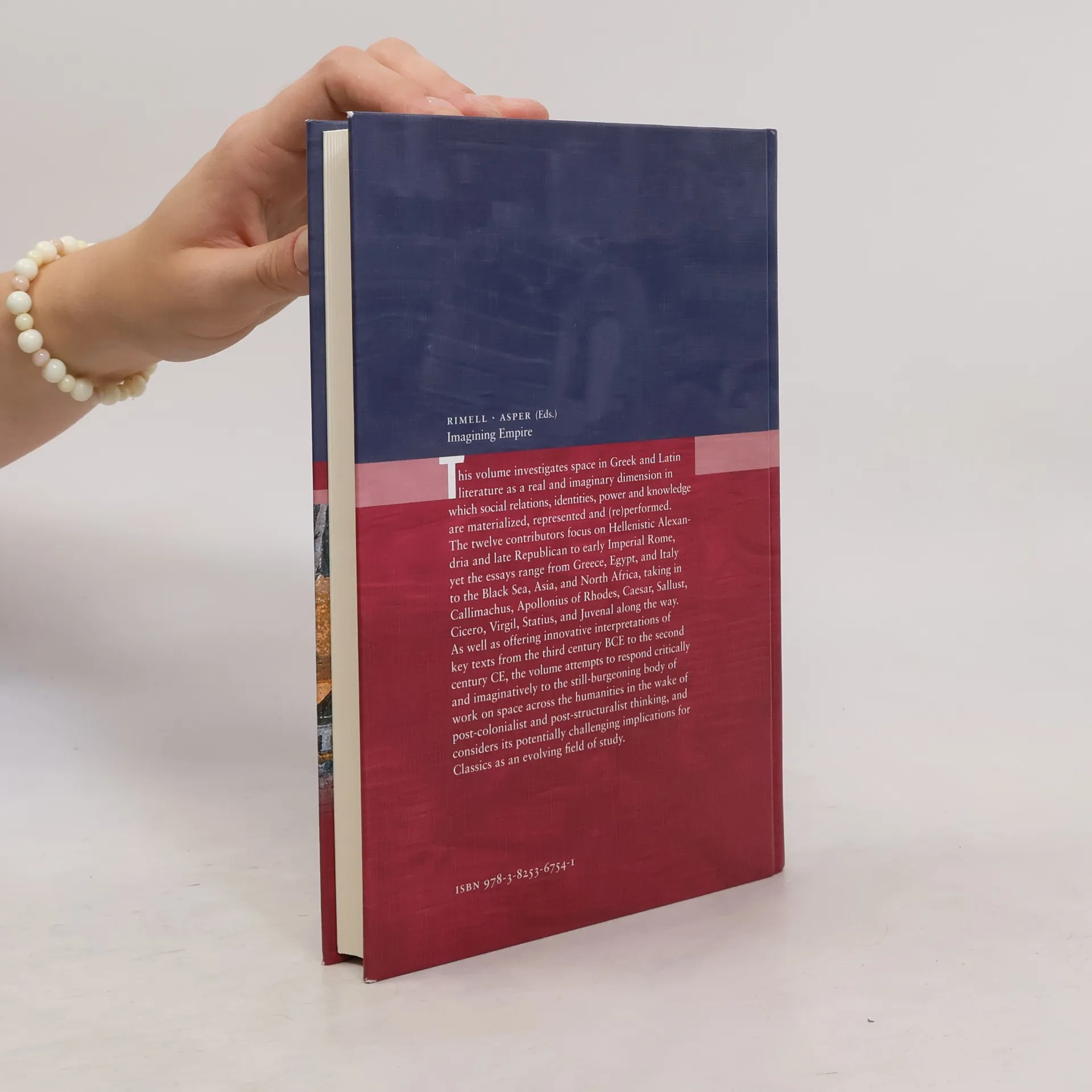
This volume investigates space in Greek and Latin literature as a real and imaginary dimension in which social relations, identities, power and knowledge are materialized, represented and (re)performed. The twelve contributors focus on Hellenistic Alexandria and late Republican to early Imperial Rome, yet the essays range from Greece, Egypt, and Italy to the Black Sea, Asia, and North Africa, taking in Callimachus, Apollonius of Rhodes, Caesar, Sallust, Cicero, Virgil, Statius, and Juvenal along the way. As well as offering innovative interpretations of key texts from the third century BCE to the second century CE, the volume attempts to respond critically and imaginatively to the still-burgeoning body of work on space across the humanities in the wake of post-colonialist and poststructuralist thinking, and considers its potentially challenging implications for Classics as an evolving field of study.
Zakup książki
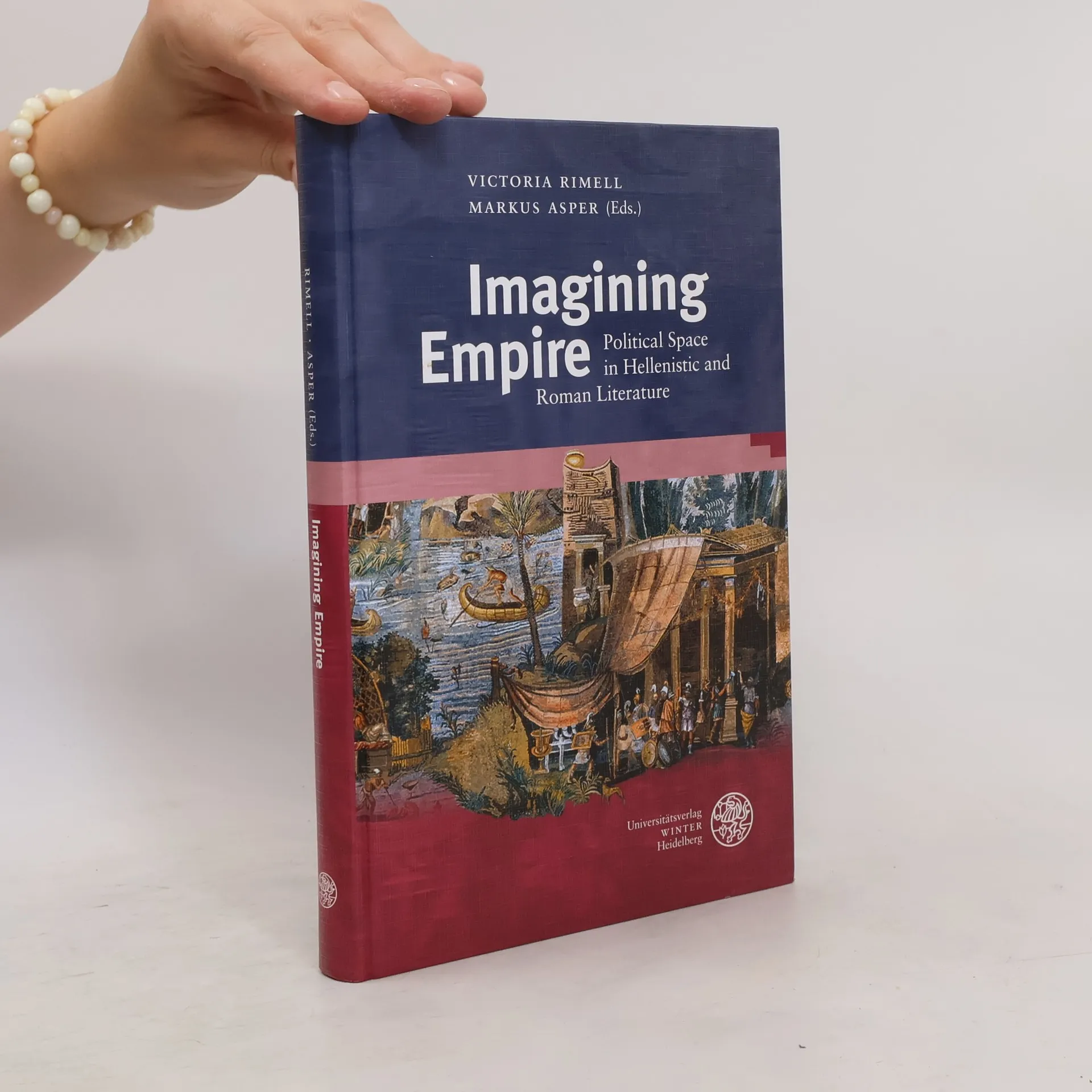
Imagining empire, Victoria Rimell
- Język

- Rok wydania
- 2017
- Oprawa
- (twarda)
Metody płatności
Nikt jeszcze nie ocenił.
- Tytuł
- Imagining empire
- Język
- angielski
- Autorzy
- Victoria Rimell
- Wydawca
- Universitätsverlag Winter
- Rok wydania
- 2017
- Oprawa
- twarda
- Liczba stron
- 264
- ISBN10
- 3825367541
- ISBN13
- 9783825367541
- Seria
- Kategorie
- Opis
- This volume investigates space in Greek and Latin literature as a real and imaginary dimension in which social relations, identities, power and knowledge are materialized, represented and (re)performed. The twelve contributors focus on Hellenistic Alexandria and late Republican to early Imperial Rome, yet the essays range from Greece, Egypt, and Italy to the Black Sea, Asia, and North Africa, taking in Callimachus, Apollonius of Rhodes, Caesar, Sallust, Cicero, Virgil, Statius, and Juvenal along the way. As well as offering innovative interpretations of key texts from the third century BCE to the second century CE, the volume attempts to respond critically and imaginatively to the still-burgeoning body of work on space across the humanities in the wake of post-colonialist and poststructuralist thinking, and considers its potentially challenging implications for Classics as an evolving field of study.