

Więcej o książce
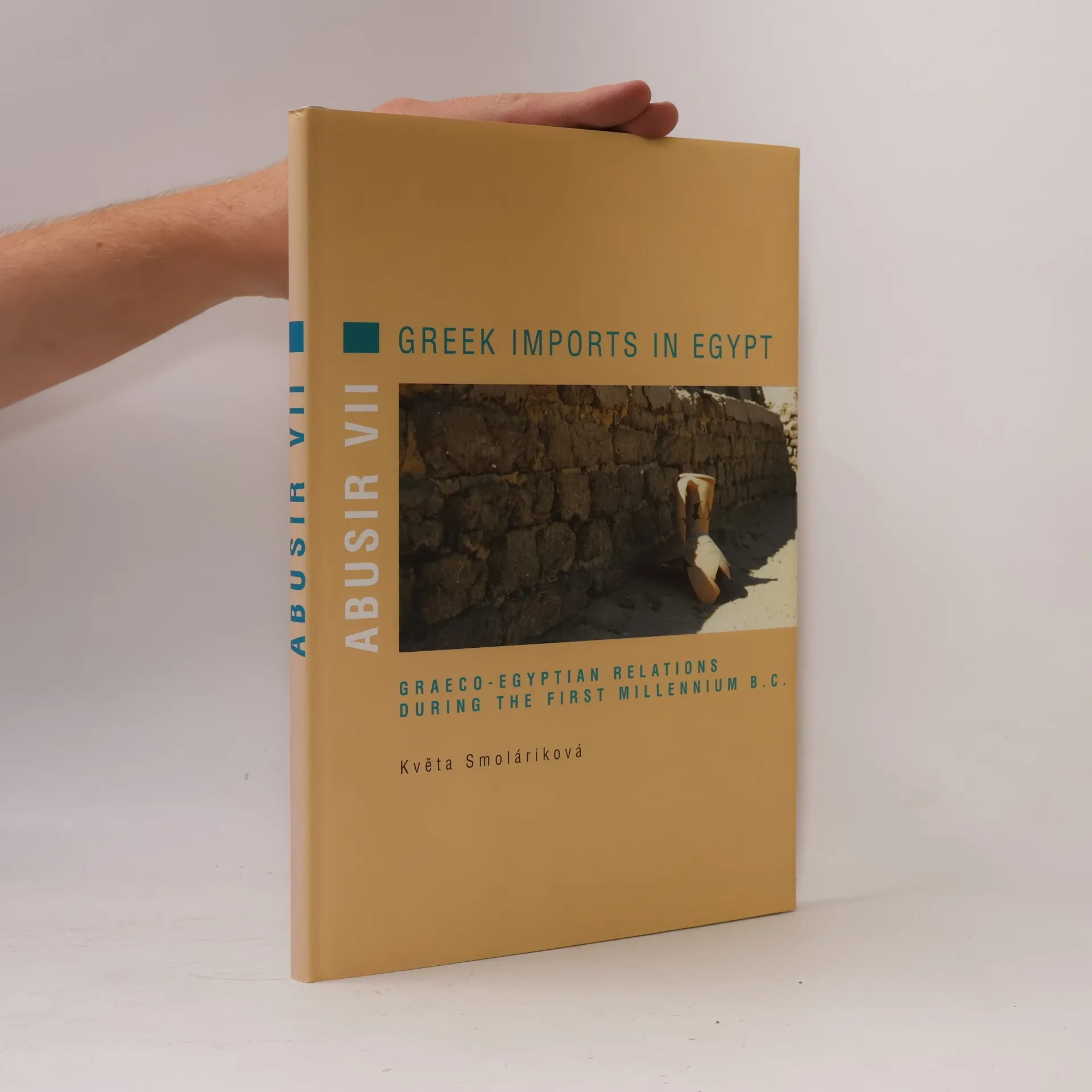
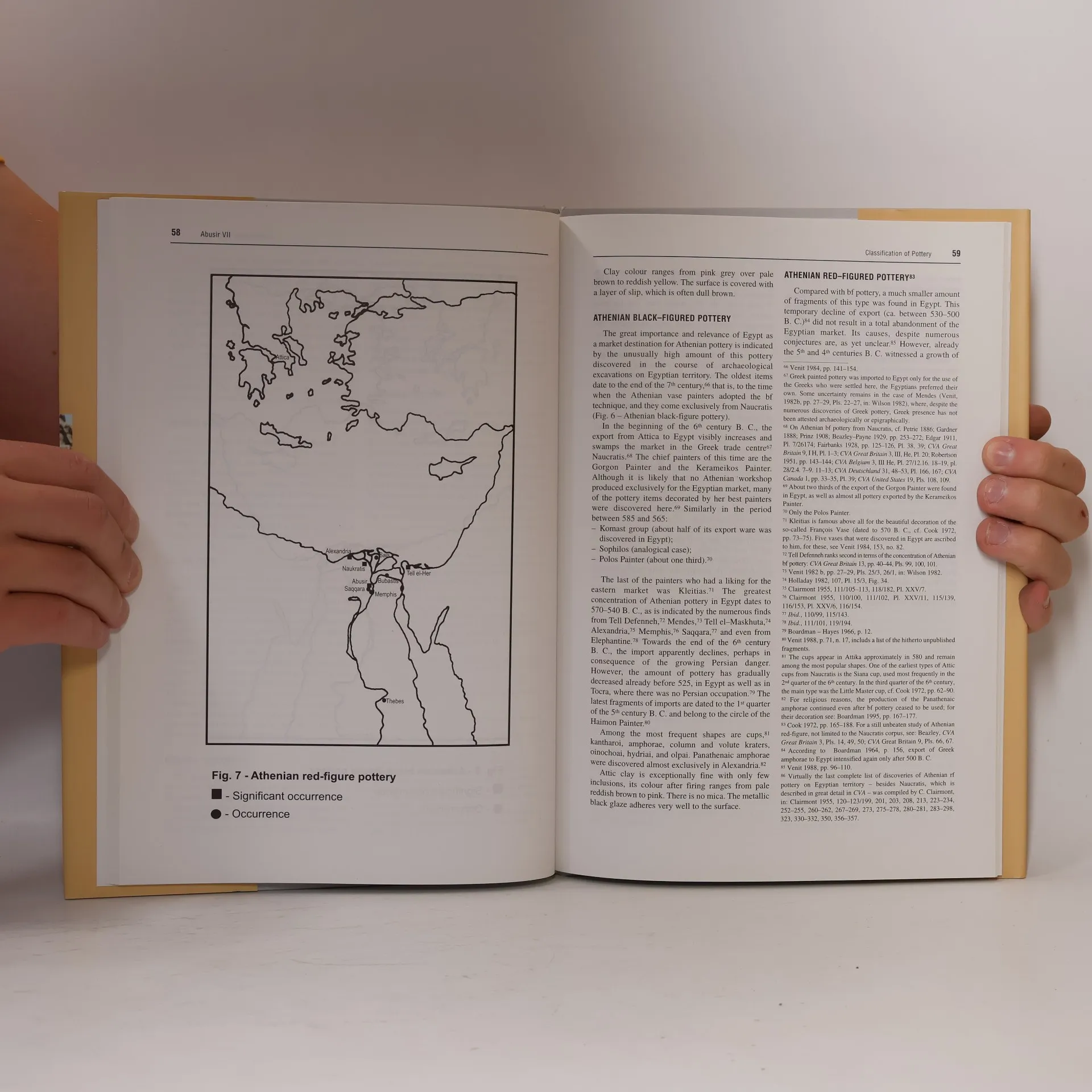
The early Greek residents to arrive in Egypt were very much regarded as foreginers and were subject to all sort of restrictions, however, gradually the barriers were broken down as closer connections were established with the Greek mainland and new trading centres such as Naucratis were established. This volume studies the large amount of Greek imported pottery found in Egypt and assesses what the pottery can tell us about the nature of Egyptian-Greek relationships, Greek settlement in Egypt and the nature of trading patterns. The major part of Smoláriková's study examines the different types of Greek pottery and their distribution and context of use, placed alongside other archaeological and literary evidence. The situation at Abusir-Saqqara appears to stray from the norm, where Greek imports were directed at Greek residents in Egypt, with examples found in clearly defined Egyptian contexts.
Zakup książki
Greek imports in Egypt: Graeco-Egyptian relations during the First Millennium B. C., Květa Smoláriková
- Język

- Rok wydania
- 2002
- Oprawa
- (twarda)
Metody płatności
Nikt jeszcze nie ocenił.
- Tytuł
- Greek imports in Egypt: Graeco-Egyptian relations during the First Millennium B. C.
- Język
- angielski
- Autorzy
- Květa Smoláriková
- Rok wydania
- 2002
- Oprawa
- twarda
- Liczba stron
- 122
- ISBN10
- 8086277232
- ISBN13
- 9788086277233
- Seria
- Kolekcja
- Abusir
- Opis
- The early Greek residents to arrive in Egypt were very much regarded as foreginers and were subject to all sort of restrictions, however, gradually the barriers were broken down as closer connections were established with the Greek mainland and new trading centres such as Naucratis were established. This volume studies the large amount of Greek imported pottery found in Egypt and assesses what the pottery can tell us about the nature of Egyptian-Greek relationships, Greek settlement in Egypt and the nature of trading patterns. The major part of Smoláriková's study examines the different types of Greek pottery and their distribution and context of use, placed alongside other archaeological and literary evidence. The situation at Abusir-Saqqara appears to stray from the norm, where Greek imports were directed at Greek residents in Egypt, with examples found in clearly defined Egyptian contexts.