



Więcej o książce
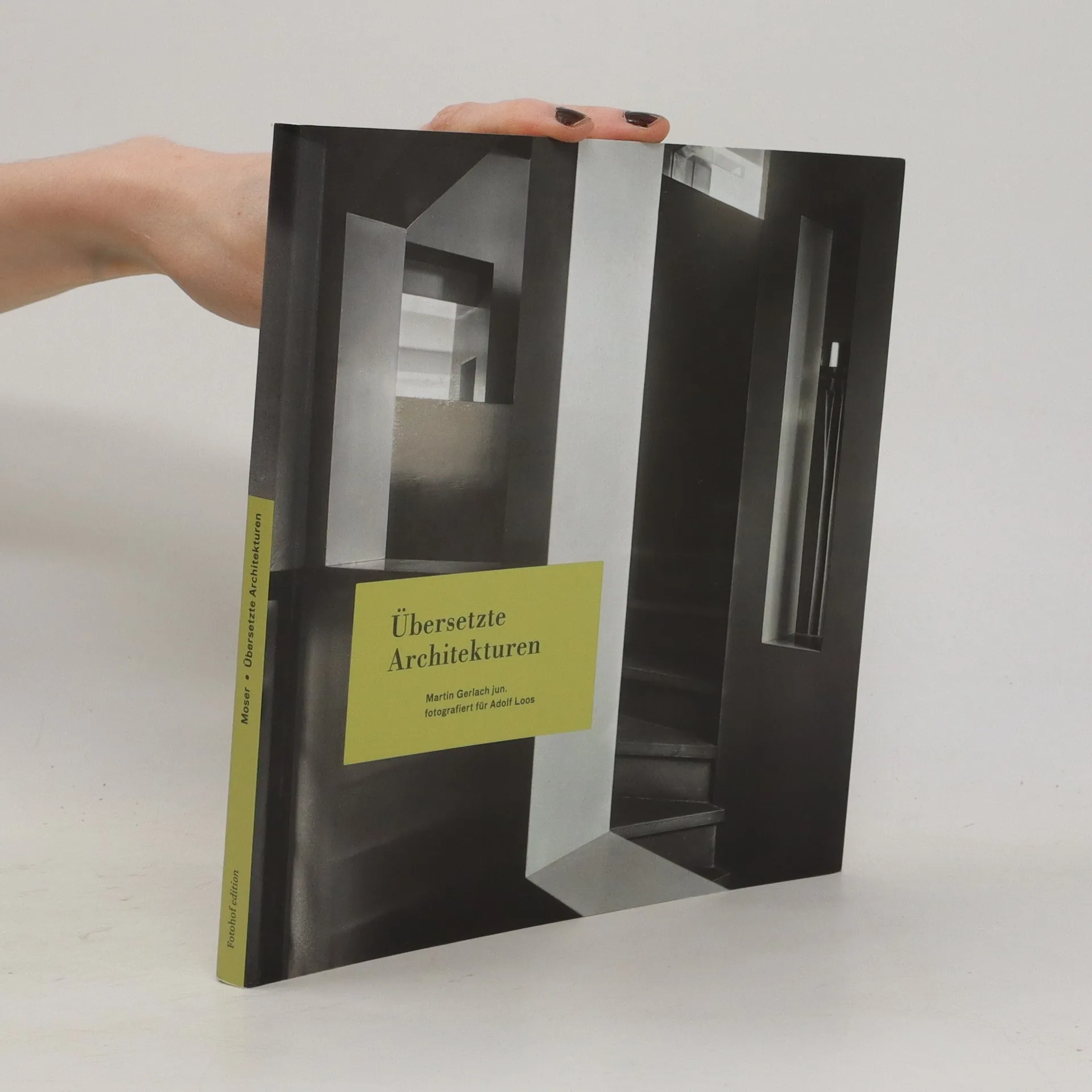
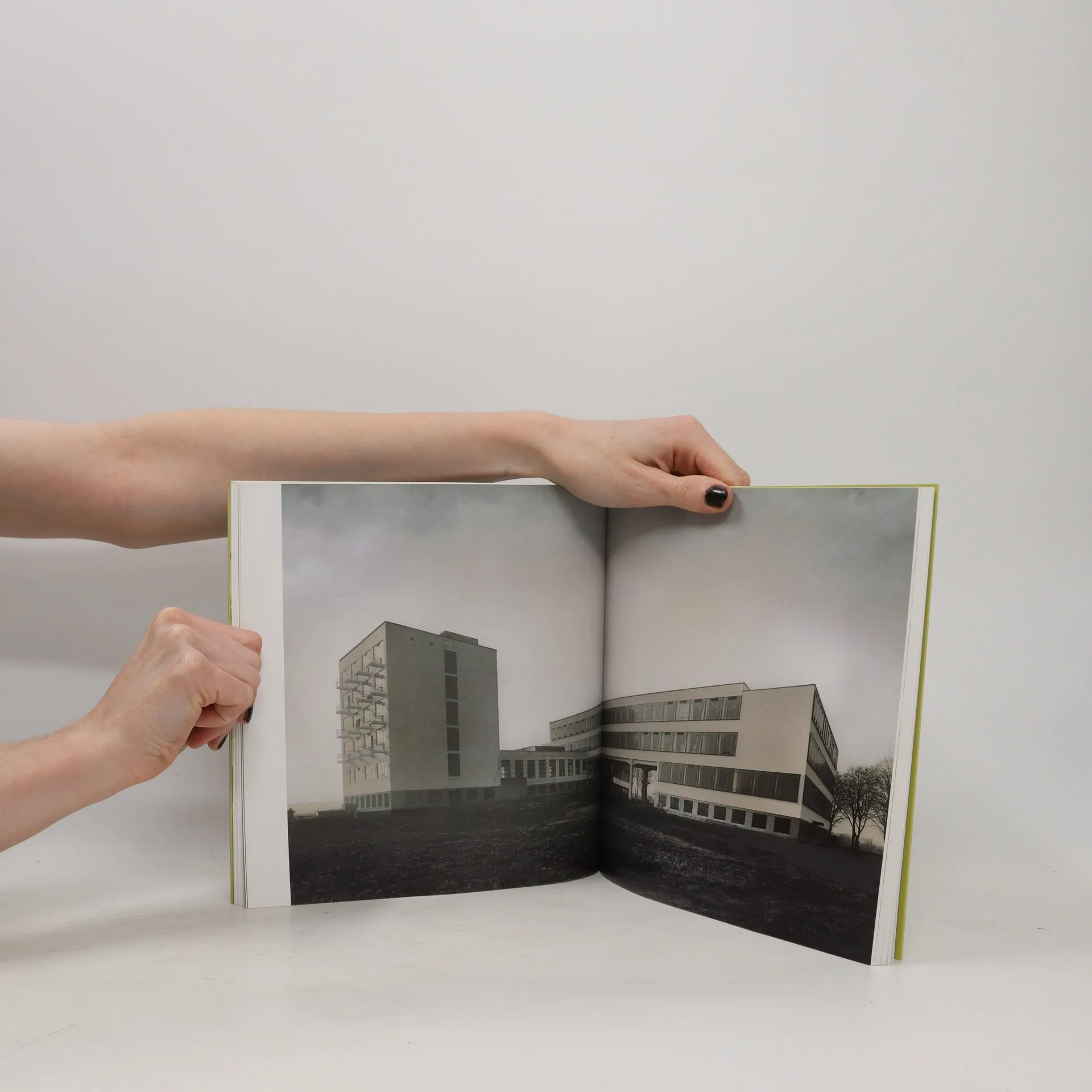
“So photography says nothing, you see.” Loos could not adhere to such enormous skepticism concerning the photographic representability of his architecture, however, when a monograph of his buildings was to be published in 1931. The Viennese photographer Martin Gerlach jun. was commissioned with taking pictures of the houses. Striving to translate the complex architecture resulting from Loos’s Raumplan (space planning) concept, Gerlach relied on different strategies partly influenced by photographic avant-garde movements. The Villa Moller in Vienna, built in 1928, provides an example for elucidating the inevitable tension between (objective) documentation and (subjective) interpretation. The surviving reproduction material, with its instructions for emphasis and retouches, testifies to how deeply the protagonists—Gerlach, Loos, and his associate Heinrich Kulka as editor of the publication—were involved in the process of visualizing the buildings and interiors.
Zakup książki
Übersetzte Architekturen, Walter Moser
- Język

- Rok wydania
- 2018
- Oprawa
- (miękka)
Metody płatności
Nikt jeszcze nie ocenił.
- Tytuł
- Übersetzte Architekturen
- Podtytuł
- Martin Gerlach jun. fotografiert für Adolf Loos
- Język
- niemiecki
- Autorzy
- Walter Moser
- Wydawca
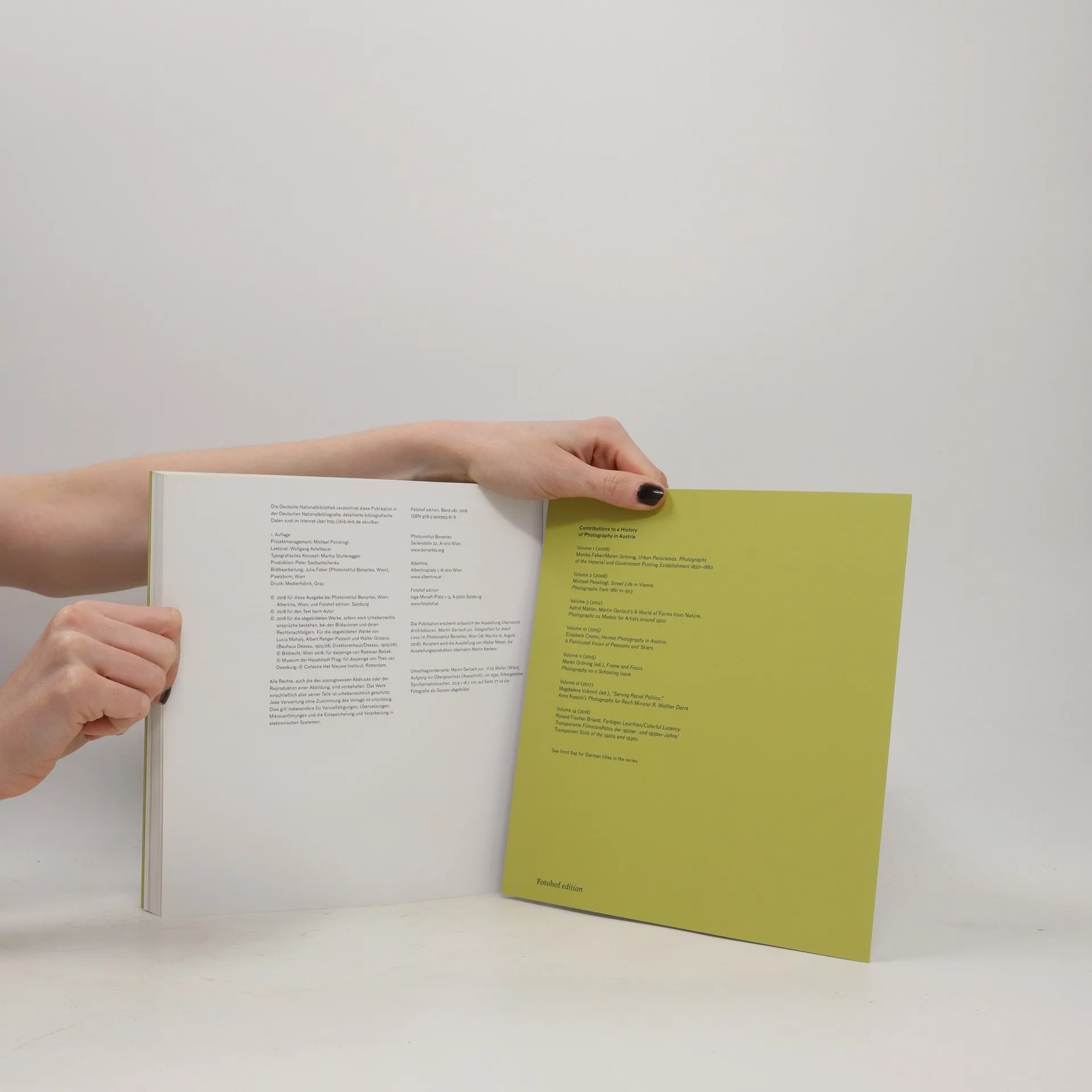
- Fotohof edition
- Rok wydania
- 2018
- Oprawa
- miękka
- Liczba stron
- 111
- ISBN10
- 3902993618
- ISBN13
- 9783902993618
- Seria
- Tagi
- Opis
- “So photography says nothing, you see.” Loos could not adhere to such enormous skepticism concerning the photographic representability of his architecture, however, when a monograph of his buildings was to be published in 1931. The Viennese photographer Martin Gerlach jun. was commissioned with taking pictures of the houses. Striving to translate the complex architecture resulting from Loos’s Raumplan (space planning) concept, Gerlach relied on different strategies partly influenced by photographic avant-garde movements. The Villa Moller in Vienna, built in 1928, provides an example for elucidating the inevitable tension between (objective) documentation and (subjective) interpretation. The surviving reproduction material, with its instructions for emphasis and retouches, testifies to how deeply the protagonists—Gerlach, Loos, and his associate Heinrich Kulka as editor of the publication—were involved in the process of visualizing the buildings and interiors.