

Parametry
Więcej o książce
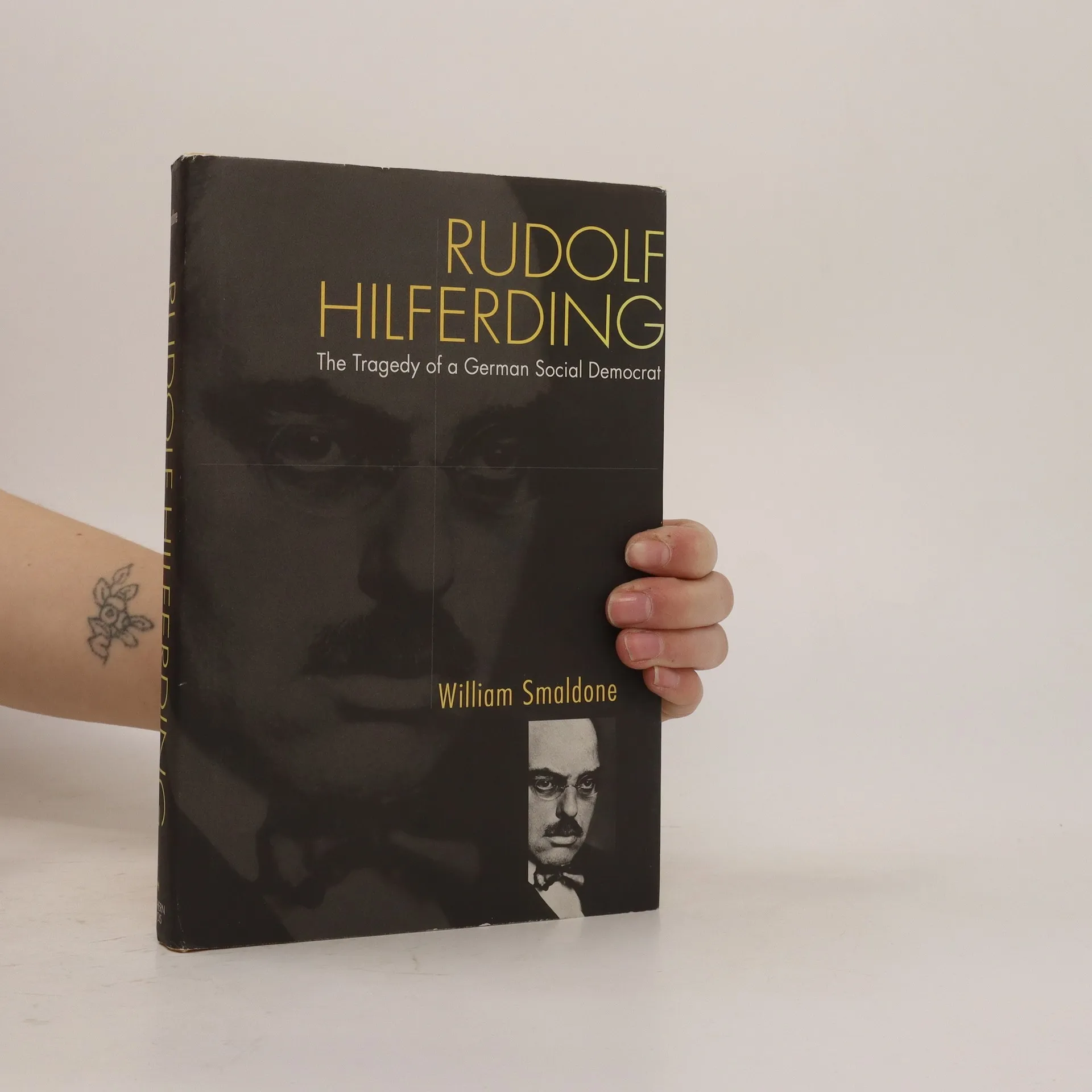
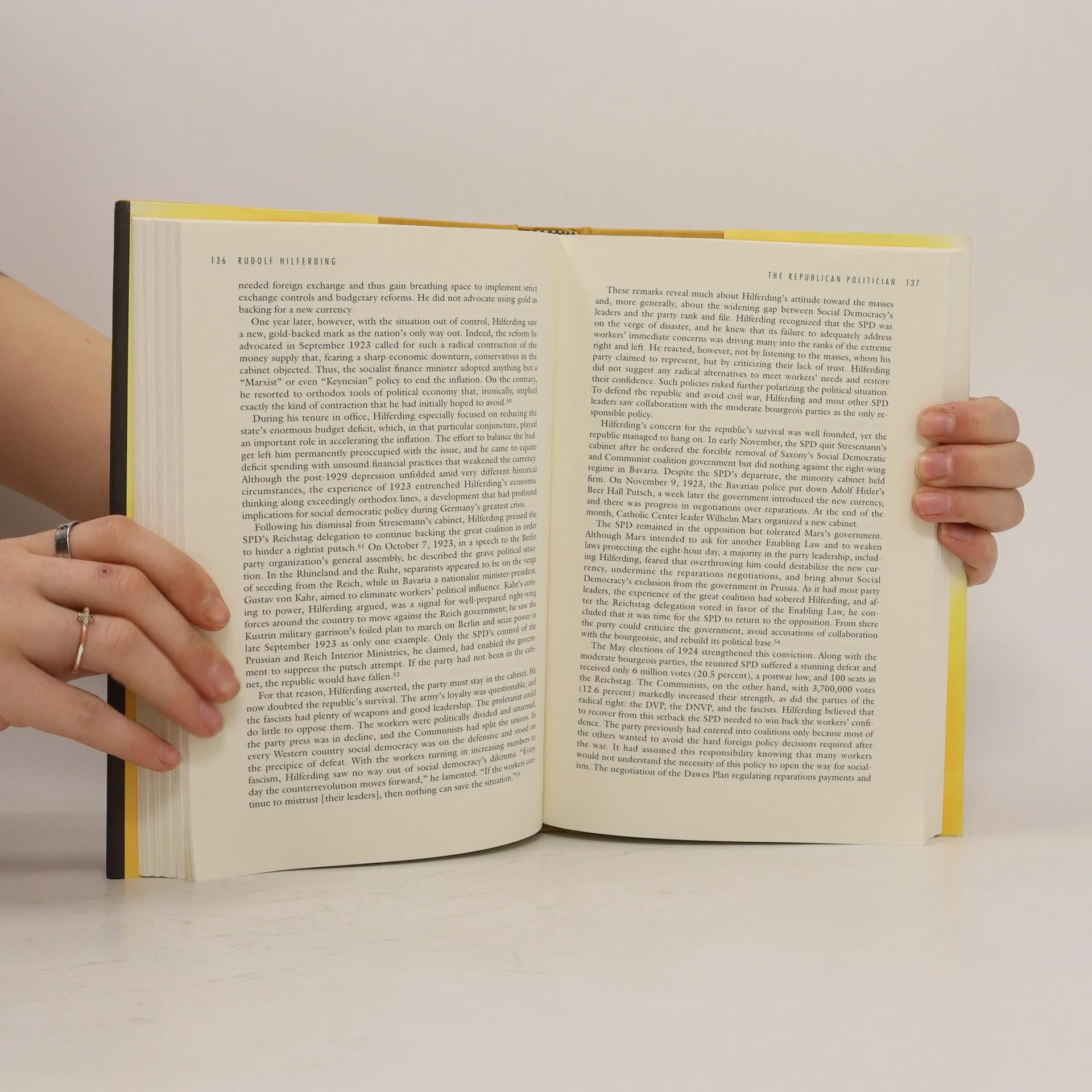
Until his death in a Gestapo prison cell, Rudolf Hilferding was a prominent socialist theorist and politician in Europe. As a leading economic thinker in the socialist movement and a key figure in the German Social Democratic Party, he served as Weimar finance minister during the 1923 inflation crisis and again in 1928 at the onset of the depression. Amid Germany's ongoing economic and political turmoil, he championed social democracy's efforts to bolster the republic and achieve socialist goals. This intellectual biography highlights how Hilferding's personal and intellectual journey mirrored the failures of social democracy in confronting nazism and communism. After Hitler's rise to power in 1933, he continued the fight against the Nazis while in exile. However, in 1940, he was arrested by Vichy authorities and handed over to the Gestapo. Throughout his life, Hilferding tackled key issues in modern socialism, such as finance capitalism, imperialism, and the organization of socialist parties. He believed that democratic freedom was central to socialism and, by opposing both communism and fascism, contributed significantly to the discourse on totalitarianism. His insights into Marxist theory and practice remain crucial for understanding socialism's evolution in the twentieth century.
Zakup książki
Rudolf Hilferding, William Smaldone
- Język

- Rok wydania
- 1998
- Oprawa
- (twarda)
Metody płatności
Brakuje nam tutaj Twojej recenzji.
- Tytuł
- Rudolf Hilferding
- Język
- angielski
- Autorzy
- William Smaldone
- Rok wydania
- 1998
- Oprawa
- twarda
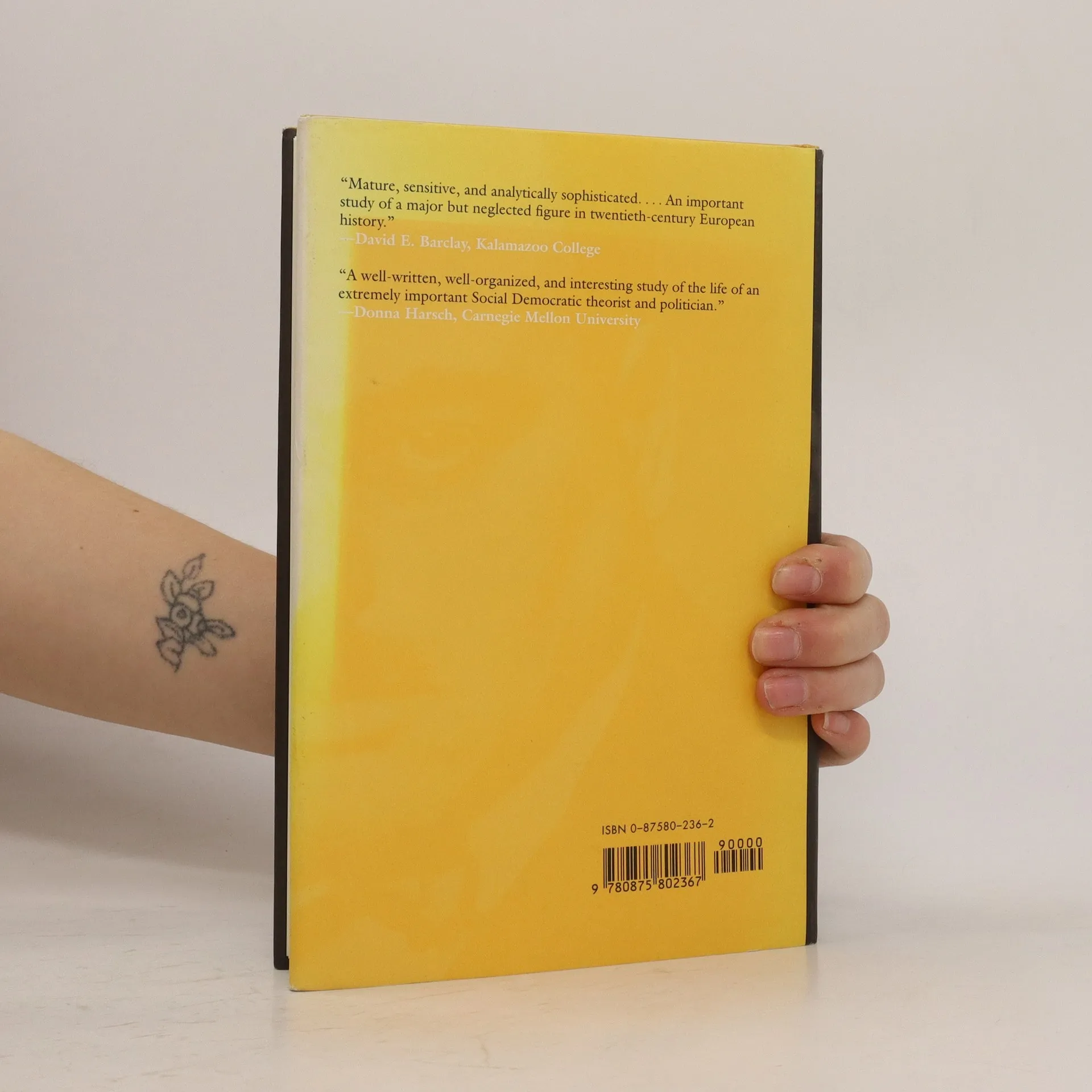
- ISBN10
- 0875802362
- ISBN13
- 9780875802367
- Seria
- Oryginalna nazwa
- Rudolf Hilferding
- Ocena
- 4 z 5
- Opis
- Until his death in a Gestapo prison cell, Rudolf Hilferding was a prominent socialist theorist and politician in Europe. As a leading economic thinker in the socialist movement and a key figure in the German Social Democratic Party, he served as Weimar finance minister during the 1923 inflation crisis and again in 1928 at the onset of the depression. Amid Germany's ongoing economic and political turmoil, he championed social democracy's efforts to bolster the republic and achieve socialist goals. This intellectual biography highlights how Hilferding's personal and intellectual journey mirrored the failures of social democracy in confronting nazism and communism. After Hitler's rise to power in 1933, he continued the fight against the Nazis while in exile. However, in 1940, he was arrested by Vichy authorities and handed over to the Gestapo. Throughout his life, Hilferding tackled key issues in modern socialism, such as finance capitalism, imperialism, and the organization of socialist parties. He believed that democratic freedom was central to socialism and, by opposing both communism and fascism, contributed significantly to the discourse on totalitarianism. His insights into Marxist theory and practice remain crucial for understanding socialism's evolution in the twentieth century.