





Więcej o książce
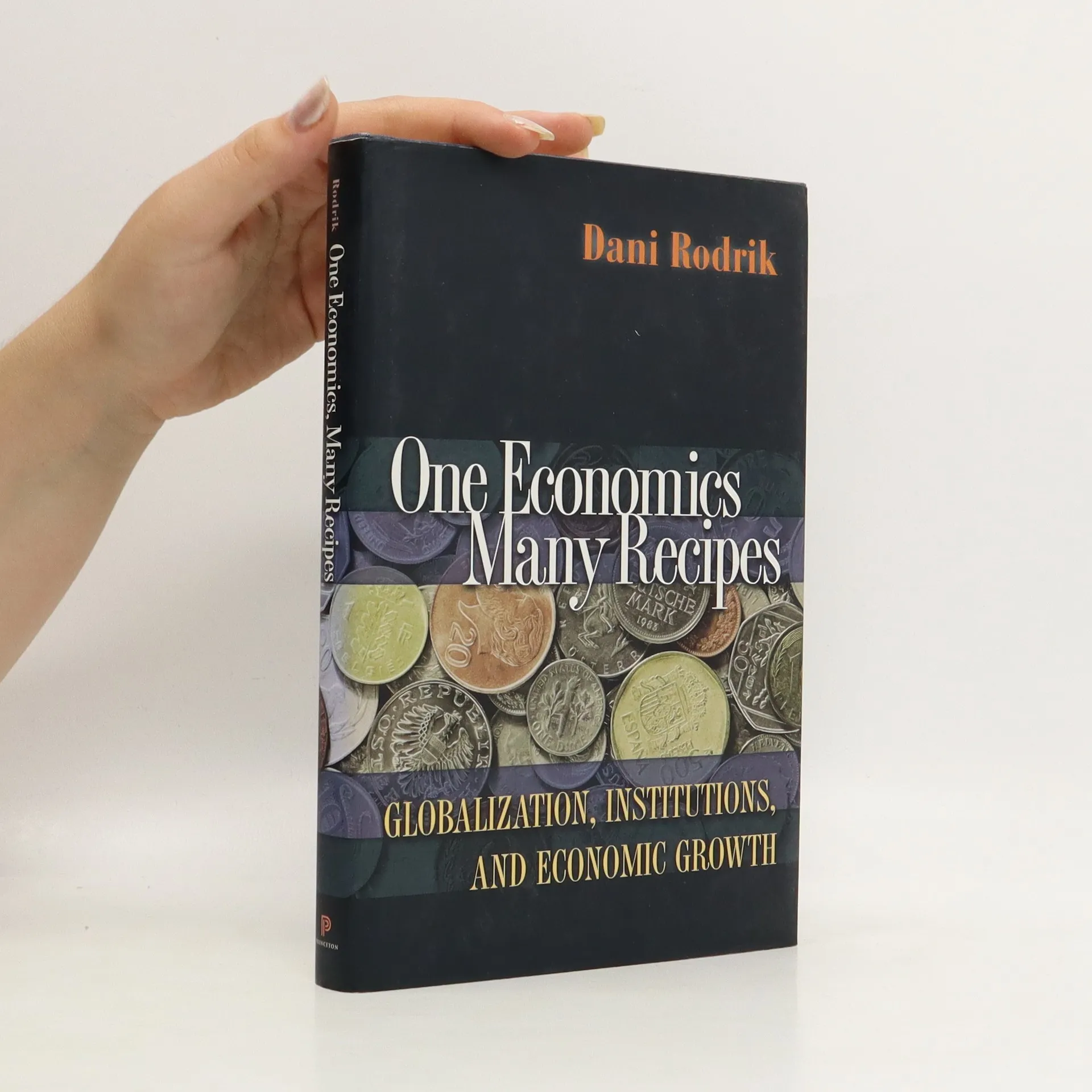
In "One Economics, Many Recipes," economist Dani Rodrik contends that both globalizers and antiglobalizers miss the mark. While economic globalization can benefit countries striving to escape poverty, achieving success often necessitates policies tailored to local economic and political contexts rather than adhering to the mandates of the international globalization framework. Rodrik presents his influential perspective on economic growth and globalization, illustrating how successful nations develop unique strategies and what others can glean from their experiences. Proglobalizers view globalization as a pathway to salvation for developing countries, advocating for adherence to a universal set of rules established by organizations like the World Bank and the IMF. Conversely, antiglobalizers argue that such global rules are detrimental, suggesting that poorer nations are better off shielding themselves from these influences. Rodrik critiques both viewpoints, asserting that impoverished countries thrive not by mimicking Washington's prescriptions or others' successes, but by addressing their specific constraints. He emphasizes that this approach aligns with sound economic principles, challenging the oversimplifications prevalent in the globalization debate.
Zakup książki
One economics, many recipes : globalization, institutions, and economic growth, Dani Rodrick
- Język

- Rok wydania
- 2007
- Oprawa
- (twarda)
Metody płatności
Brakuje nam tutaj Twojej recenzji.
- Tytuł
- One economics, many recipes : globalization, institutions, and economic growth
- Język
- angielski
- Autorzy
- Dani Rodrick
- Wydawca
- Princeton University Press
- Rok wydania
- 2007
- Oprawa
- twarda
- ISBN10
- 0691129517
- ISBN13
- 9780691129518
- Seria
- Kategorie
- Tagi
- Biznes, Polityka, Uniwersytet
- Ocena
- 4,15 z 5
- Opis
- In "One Economics, Many Recipes," economist Dani Rodrik contends that both globalizers and antiglobalizers miss the mark. While economic globalization can benefit countries striving to escape poverty, achieving success often necessitates policies tailored to local economic and political contexts rather than adhering to the mandates of the international globalization framework. Rodrik presents his influential perspective on economic growth and globalization, illustrating how successful nations develop unique strategies and what others can glean from their experiences. Proglobalizers view globalization as a pathway to salvation for developing countries, advocating for adherence to a universal set of rules established by organizations like the World Bank and the IMF. Conversely, antiglobalizers argue that such global rules are detrimental, suggesting that poorer nations are better off shielding themselves from these influences. Rodrik critiques both viewpoints, asserting that impoverished countries thrive not by mimicking Washington's prescriptions or others' successes, but by addressing their specific constraints. He emphasizes that this approach aligns with sound economic principles, challenging the oversimplifications prevalent in the globalization debate.