

Parametry
- 256 stron
- 9 godzin czytania
Więcej o książce
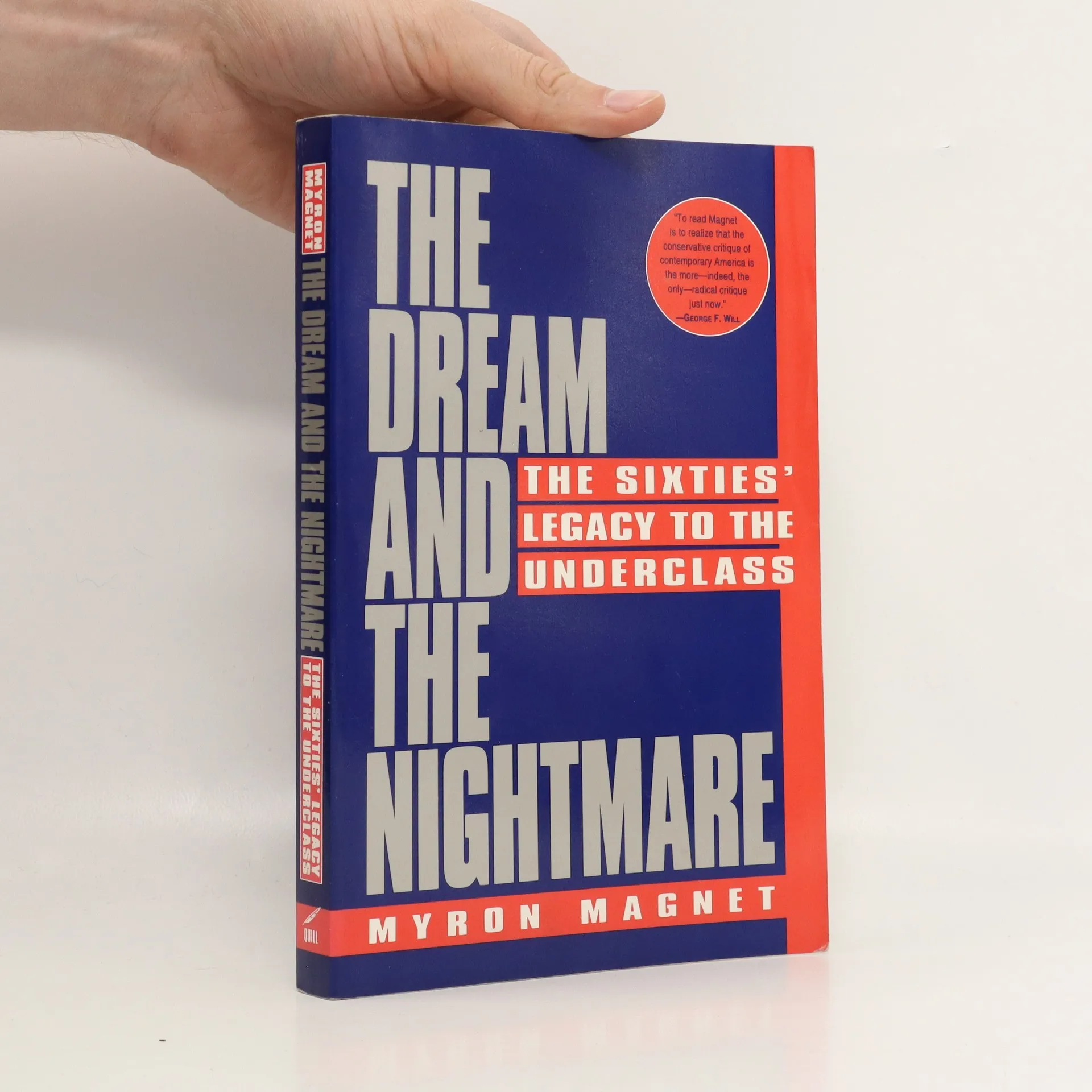
Myron Magnet's The Dream and the Nightmare argues that the radical transformation of American culture that took place in the 1960s brought today's urban underclass into existence. Changed beliefs and lifestyle experimentation among the white middle class produced often catastrophic changes in attitudes toward marriage and childbearing, the work ethic and dependency among those at the bottom of the social ladder, and closed down their pathways to better lives. Texas Governor George W. Bush's presidential campaign recently highlighted the continuing importance of The Dream and the Nightmare when Bush told the Wall Street Journal it was the most important book he'd ever read with the exception of the Bible. Bush's chief strategist Karl Rove cites the book as a road map to the governor's philosophy of "compassionate conservatism.
Zakup książki
The Dream and the Nightmare, Myron Magnet
- Język

- Rok wydania
- 1993
- Oprawa
- (miękka)
Metody płatności
Brakuje nam tutaj Twojej recenzji.
- Tytuł
- The Dream and the Nightmare
- Język
- angielski
- Autorzy
- Myron Magnet
- Wydawca
- W. Morrow
- Rok wydania
- 1993
- Oprawa
- miękka
- Liczba stron
- 256
- ISBN10
- 0688135129
- ISBN13
- 9780688135126
- Seria
- Kategorie
- Ocena
- 4 z 5
- Opis
- Myron Magnet's The Dream and the Nightmare argues that the radical transformation of American culture that took place in the 1960s brought today's urban underclass into existence. Changed beliefs and lifestyle experimentation among the white middle class produced often catastrophic changes in attitudes toward marriage and childbearing, the work ethic and dependency among those at the bottom of the social ladder, and closed down their pathways to better lives. Texas Governor George W. Bush's presidential campaign recently highlighted the continuing importance of The Dream and the Nightmare when Bush told the Wall Street Journal it was the most important book he'd ever read with the exception of the Bible. Bush's chief strategist Karl Rove cites the book as a road map to the governor's philosophy of "compassionate conservatism.