

Więcej o książce
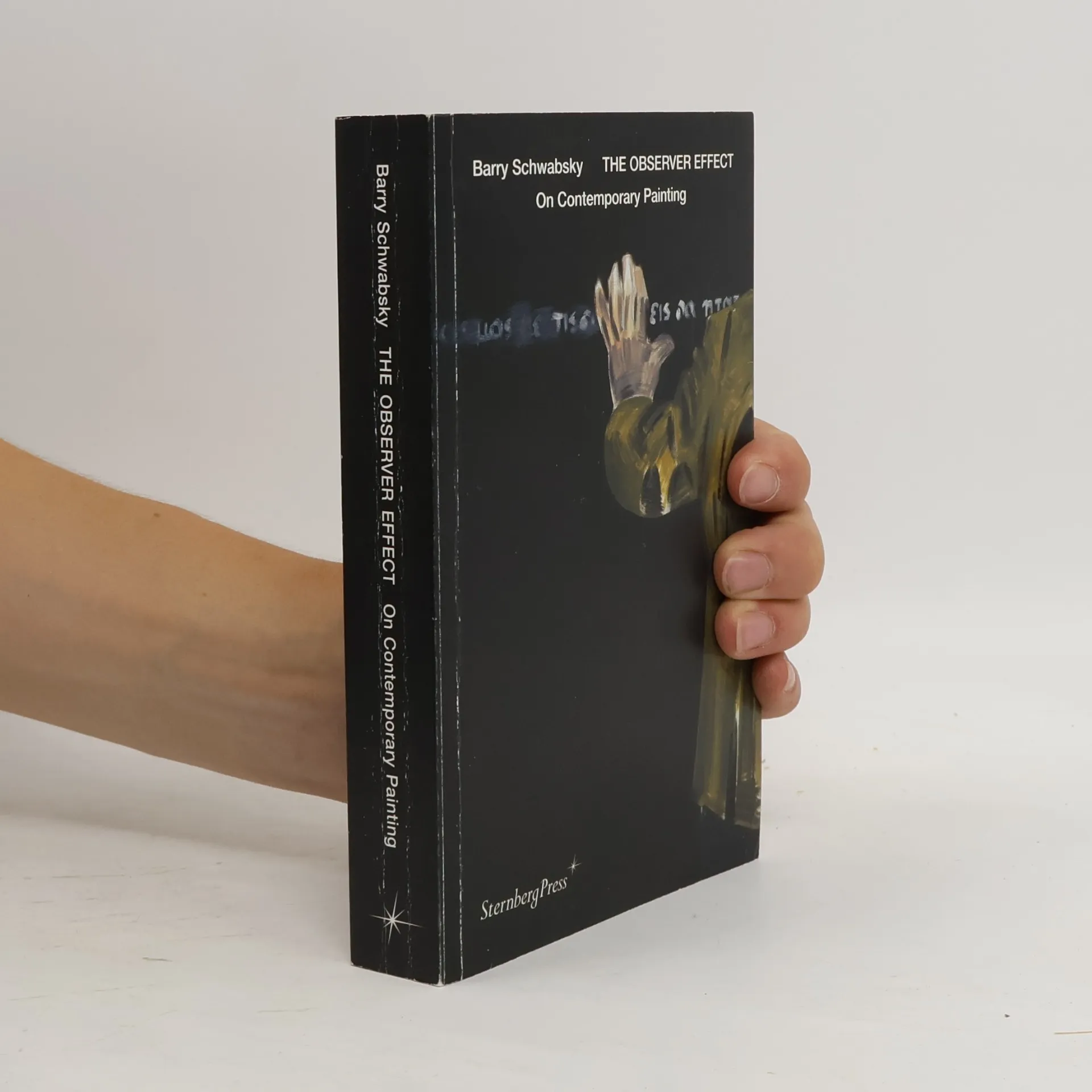
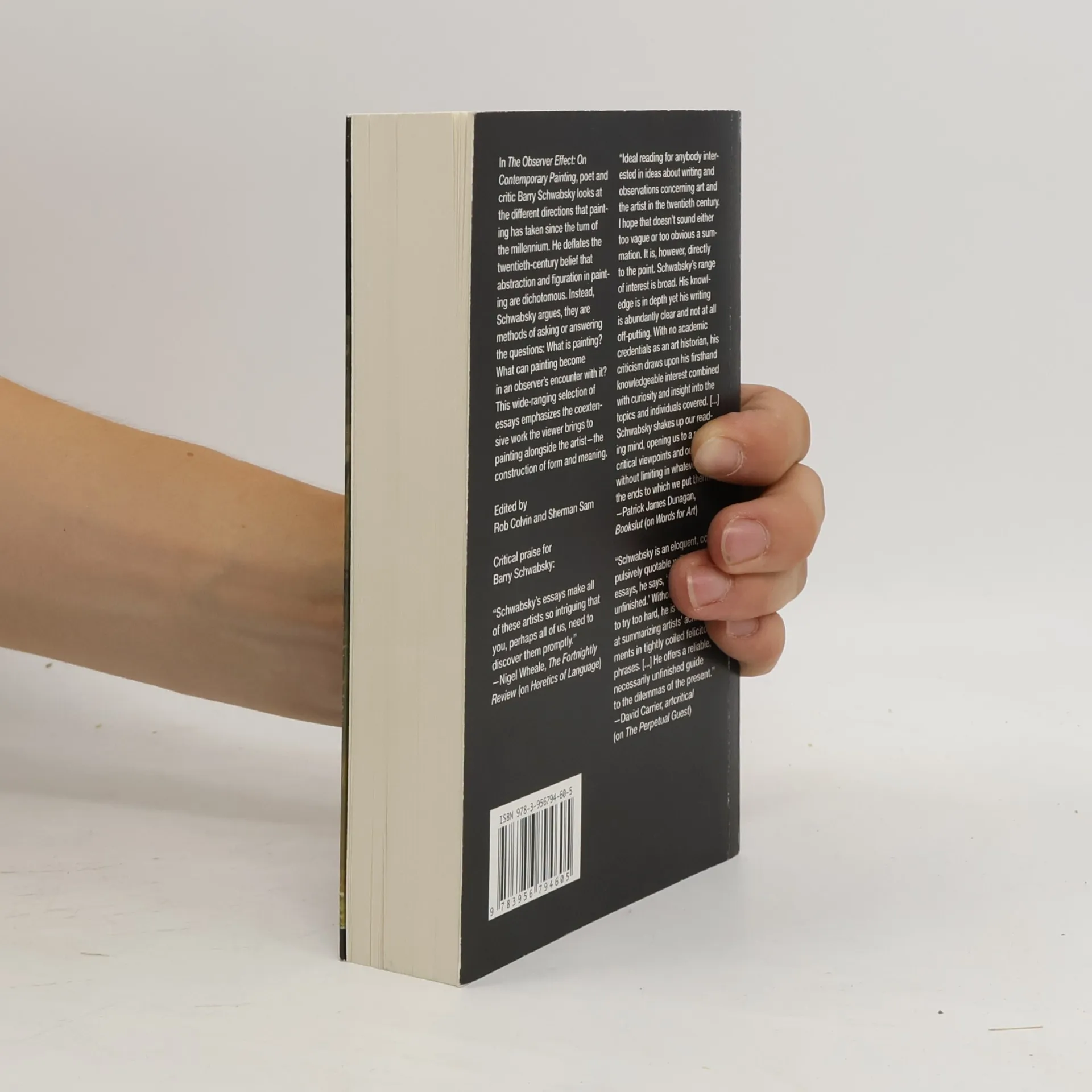
A collection of writings on art by Barry Schwabsky. “Many consider Barry Schwabsky to be the critic on painting today, even if he does write copiously on other art forms,” write editors Rob Colvin and Sherman Sam in their foreword to this selection of Schwabsky's writings. Written since the turn of the millennium, the texts in The Oberver Effect include meditations on the broader context of painting today alongside reflections on such well-known American painters as Alex Katz, Kerry James Marshall, Nicole Eisenman, and Dana Schutz, as well as practitioners from Europe and beyond—Bernard Frize, Tal R, and Ha Chonghyun among them. As Colvin and Sam point out, the book “documents a dialogue between abstraction and the image” in which “images serve less to represent their described subject than to articulate the sort of painting each one desires to be.”
Zakup książki
The observer effect, Barry Schwabsky
- Język

- Rok wydania
- 2019
- Oprawa
- (miękka)
Metody płatności
Brakuje nam tutaj Twojej recenzji.
- Tytuł
- The observer effect
- Język
- angielski
- Autorzy
- Barry Schwabsky
- Wydawca
- Sternberg Press
- Rok wydania
- 2019
- Oprawa
- miękka
- Liczba stron
- 320
- ISBN10
- 3956794605
- ISBN13
- 9783956794605
- Seria
- Kategorie
- Tagi
- Sztuka
- Ocena
- 4,4 z 5
- Opis
- A collection of writings on art by Barry Schwabsky. “Many consider Barry Schwabsky to be the critic on painting today, even if he does write copiously on other art forms,” write editors Rob Colvin and Sherman Sam in their foreword to this selection of Schwabsky's writings. Written since the turn of the millennium, the texts in The Oberver Effect include meditations on the broader context of painting today alongside reflections on such well-known American painters as Alex Katz, Kerry James Marshall, Nicole Eisenman, and Dana Schutz, as well as practitioners from Europe and beyond—Bernard Frize, Tal R, and Ha Chonghyun among them. As Colvin and Sam point out, the book “documents a dialogue between abstraction and the image” in which “images serve less to represent their described subject than to articulate the sort of painting each one desires to be.”