

Parametry
- 272 strony
- 10 godzin czytania
Więcej o książce
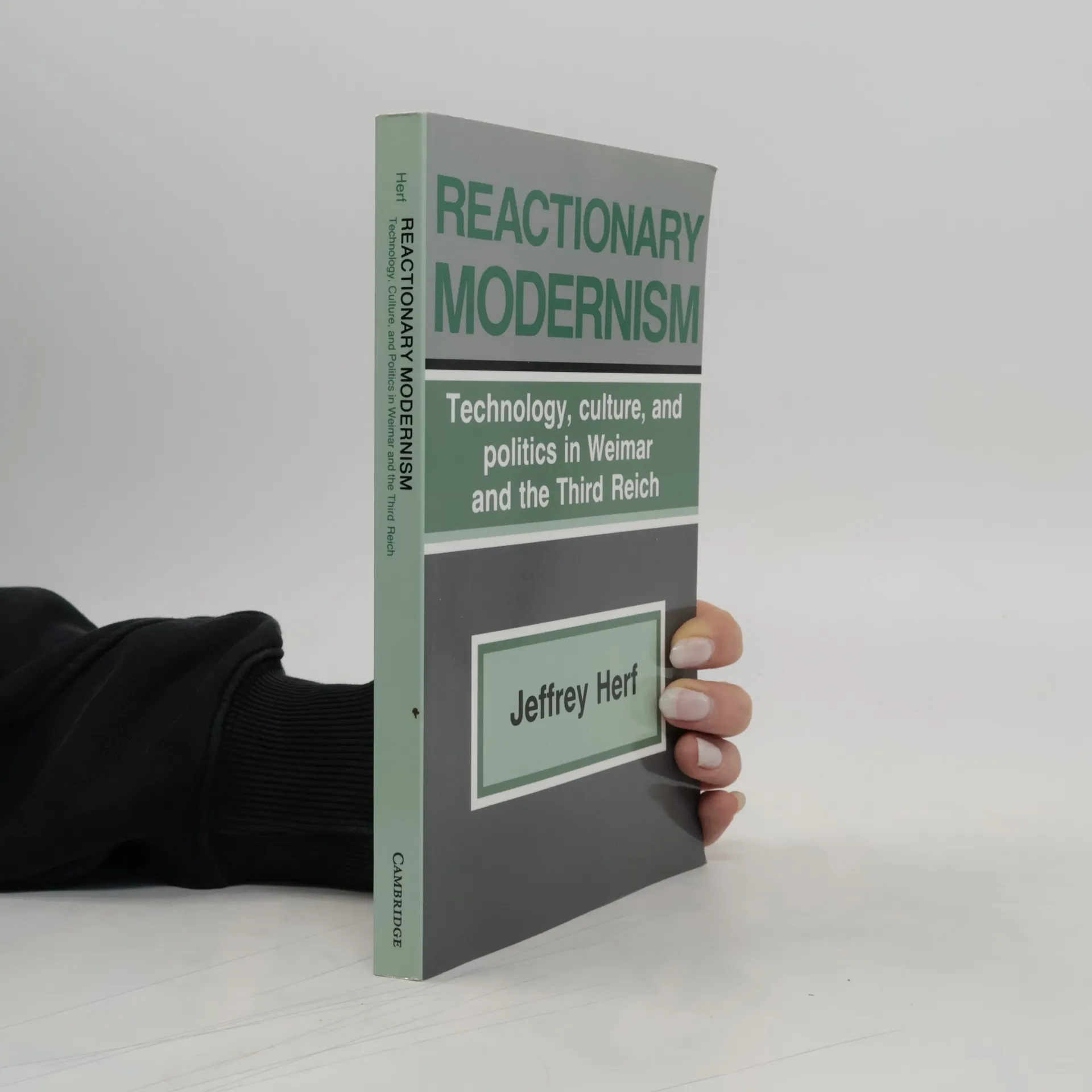
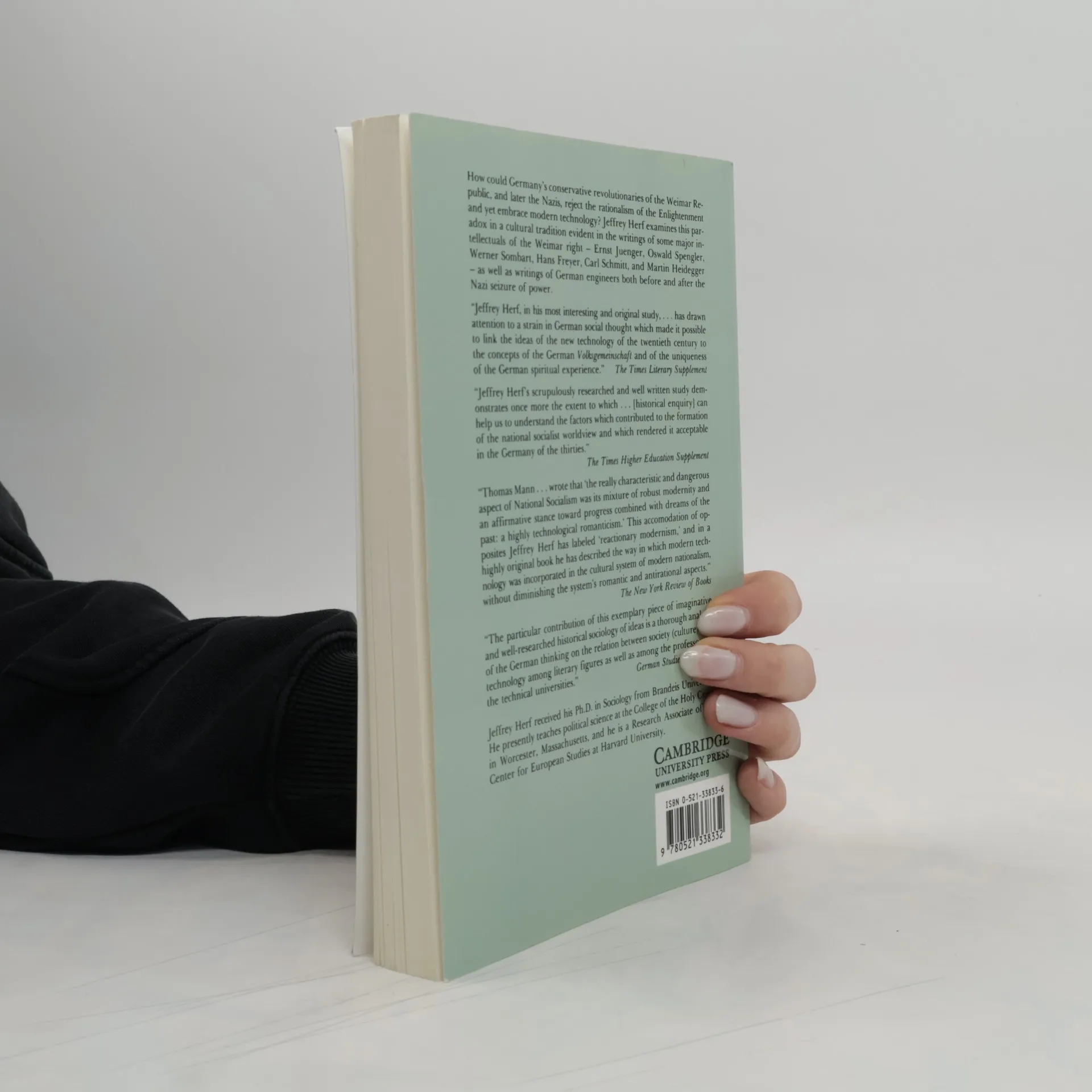
In a unique application of critical theory to the study of the role of ideology in politics, Jeffrey Herf explores the paradox inherent in the German fascists' rejection of the rationalism of the Enlightenment while fully embracing modern technology. He documents evidence of a cultural tradition he calls 'reactionary modernism' found in the writings of German engineers and of the major intellectuals of the. Weimar right: Ernst Juenger, Oswald Spengler, Werner Sombart, Hans Freyer, Carl Schmitt, and Martin Heidegger. The book shows how German nationalism and later National Socialism created what Joseph Goebbels, Hitler's propaganda minister, called the 'steel-like romanticism of the twentieth century'. By associating technology with the Germans, rather than the Jews, with beautiful form rather than the formlessness of the market, and with a strong state rather than a predominance of economic values and institutions, these right-wing intellectuals reconciled Germany's strength with its romantic soul and national identity.
Zakup książki
Reactionary modernism, Jeffrey Herf
- Język

- Rok wydania
- 2003
- Oprawa
- (miękka)
Metody płatności
Brakuje nam tutaj Twojej recenzji.
- Tytuł
- Reactionary modernism
- Język
- angielski
- Autorzy
- Jeffrey Herf
- Wydawca
- Cambridge University Press
- Rok wydania
- 2003
- Oprawa
- miękka
- Liczba stron
- 272
- ISBN10
- 0521338336
- ISBN13
- 9780521338332
- Seria
- Kategorie
- Ocena
- 3,8 z 5
- Opis
- In a unique application of critical theory to the study of the role of ideology in politics, Jeffrey Herf explores the paradox inherent in the German fascists' rejection of the rationalism of the Enlightenment while fully embracing modern technology. He documents evidence of a cultural tradition he calls 'reactionary modernism' found in the writings of German engineers and of the major intellectuals of the. Weimar right: Ernst Juenger, Oswald Spengler, Werner Sombart, Hans Freyer, Carl Schmitt, and Martin Heidegger. The book shows how German nationalism and later National Socialism created what Joseph Goebbels, Hitler's propaganda minister, called the 'steel-like romanticism of the twentieth century'. By associating technology with the Germans, rather than the Jews, with beautiful form rather than the formlessness of the market, and with a strong state rather than a predominance of economic values and institutions, these right-wing intellectuals reconciled Germany's strength with its romantic soul and national identity.