

Więcej o książce
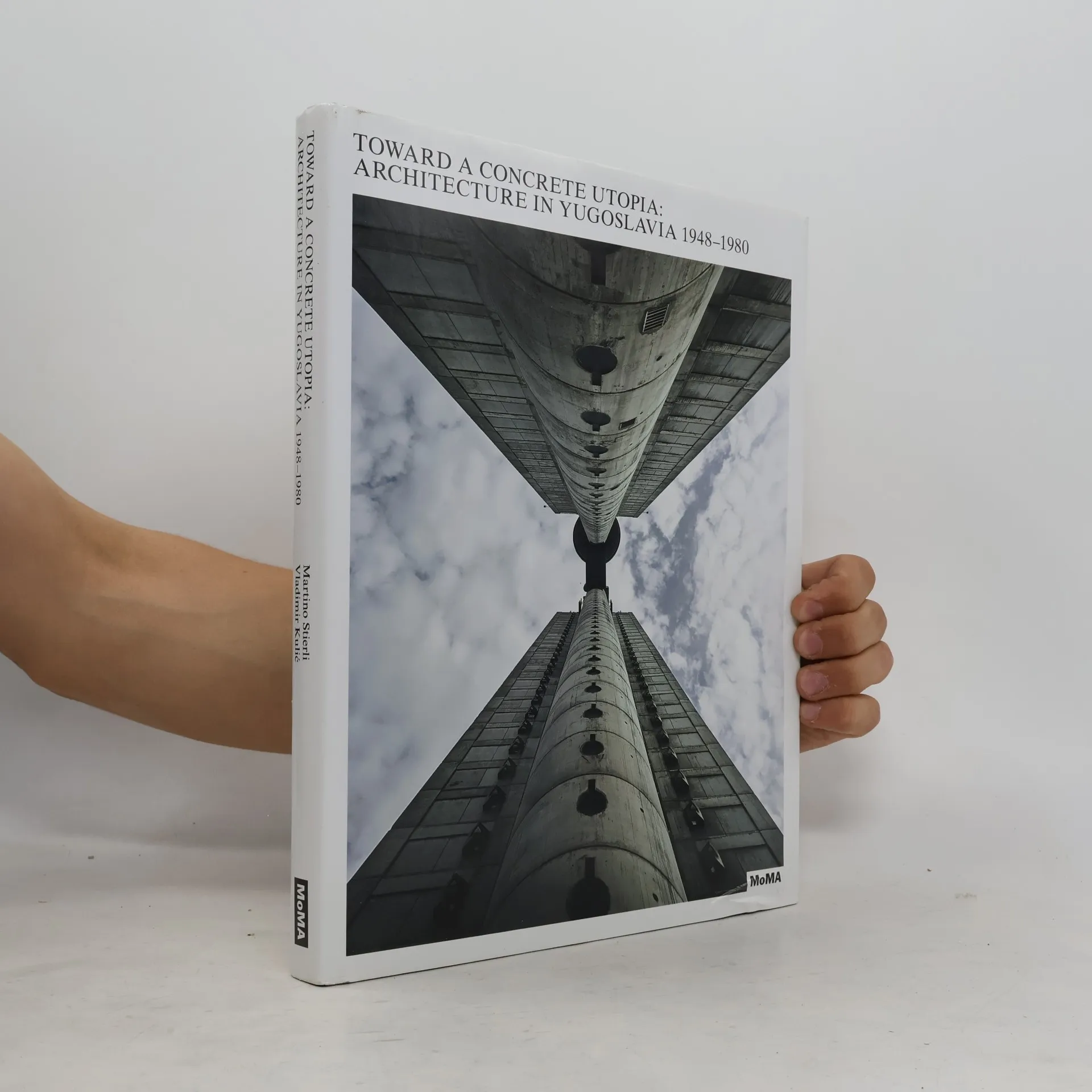
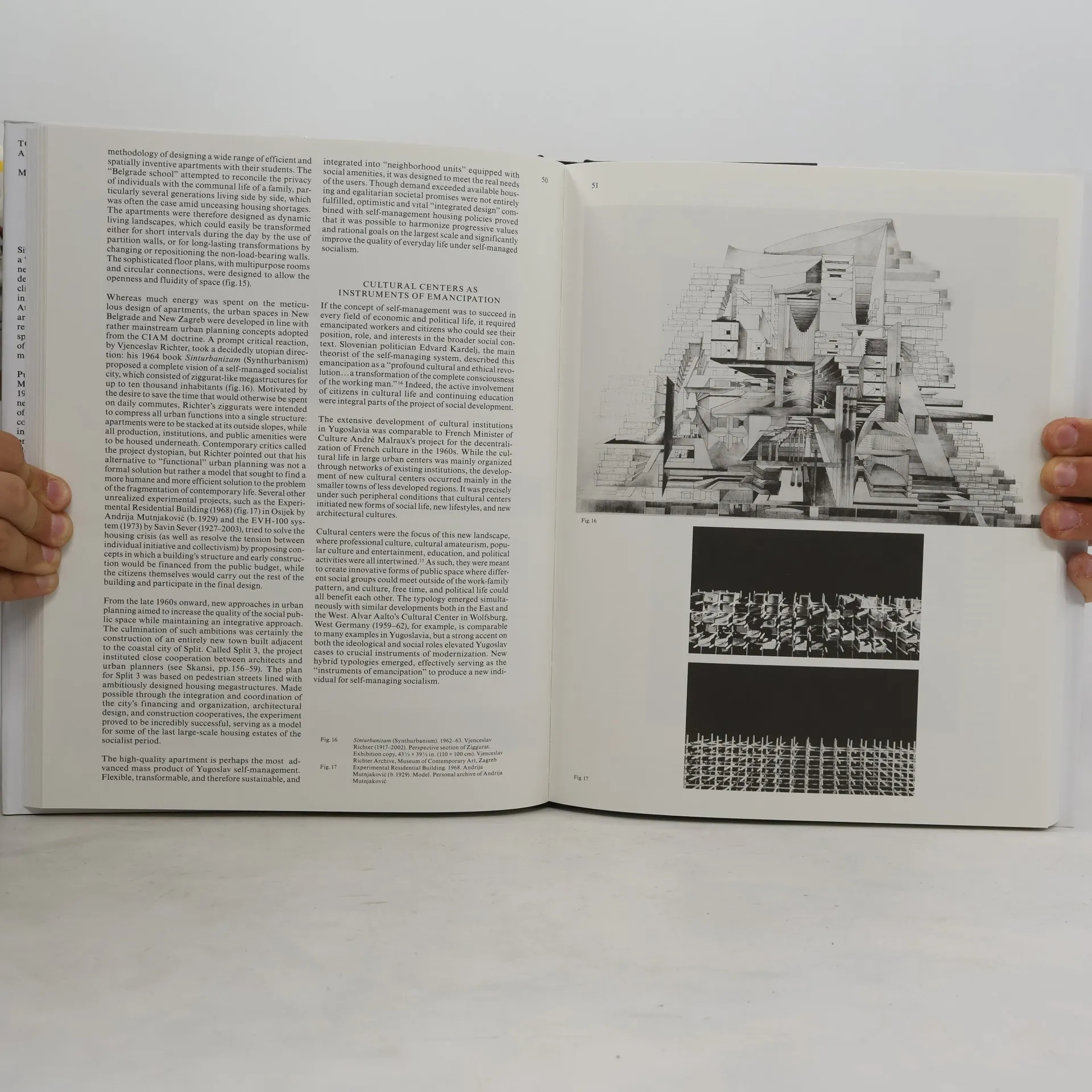
Situated between the capitalist West and the socialist East, Yugoslavia's architects responded to contradictory demands and influences, developing a postwar architecture both in line with and distinct from the design approaches seen elsewhere in Europe and beyond. The architecture that emerged from International Style skyscrapers to Brutalist social condensers is a manifestation of the radical diversity, hybridity, and idealism that characterized the Yugoslav state itself. 'Toward a Concrete Utopia: Architecture in Yugoslavia, 1948-1980' introduces the exceptional work of socialist Yugoslavia's leading architects to an international audience for the first time, highlighting a significant yet thus-far understudied body of modernist architecture, whose forward-thinking contributions still resonate today.
Zakup książki
Toward a concrete utopia, Martino Stierli
- Język

- Rok wydania
- 2018
- Oprawa
- (twarda)
Metody płatności
Brakuje nam tutaj Twojej recenzji.
- Tytuł
- Toward a concrete utopia
- Język
- angielski
- Autorzy
- Martino Stierli
- Wydawca
- Museum of Modern Art
- Rok wydania
- 2018
- Oprawa
- twarda
- Liczba stron
- 184
- ISBN10
- 1633450511
- ISBN13
- 9781633450516
- Seria
- Kategorie
- Tagi
- Ocena
- 4,5 z 5
- Opis
- Situated between the capitalist West and the socialist East, Yugoslavia's architects responded to contradictory demands and influences, developing a postwar architecture both in line with and distinct from the design approaches seen elsewhere in Europe and beyond. The architecture that emerged from International Style skyscrapers to Brutalist social condensers is a manifestation of the radical diversity, hybridity, and idealism that characterized the Yugoslav state itself. 'Toward a Concrete Utopia: Architecture in Yugoslavia, 1948-1980' introduces the exceptional work of socialist Yugoslavia's leading architects to an international audience for the first time, highlighting a significant yet thus-far understudied body of modernist architecture, whose forward-thinking contributions still resonate today.