

Więcej o książce
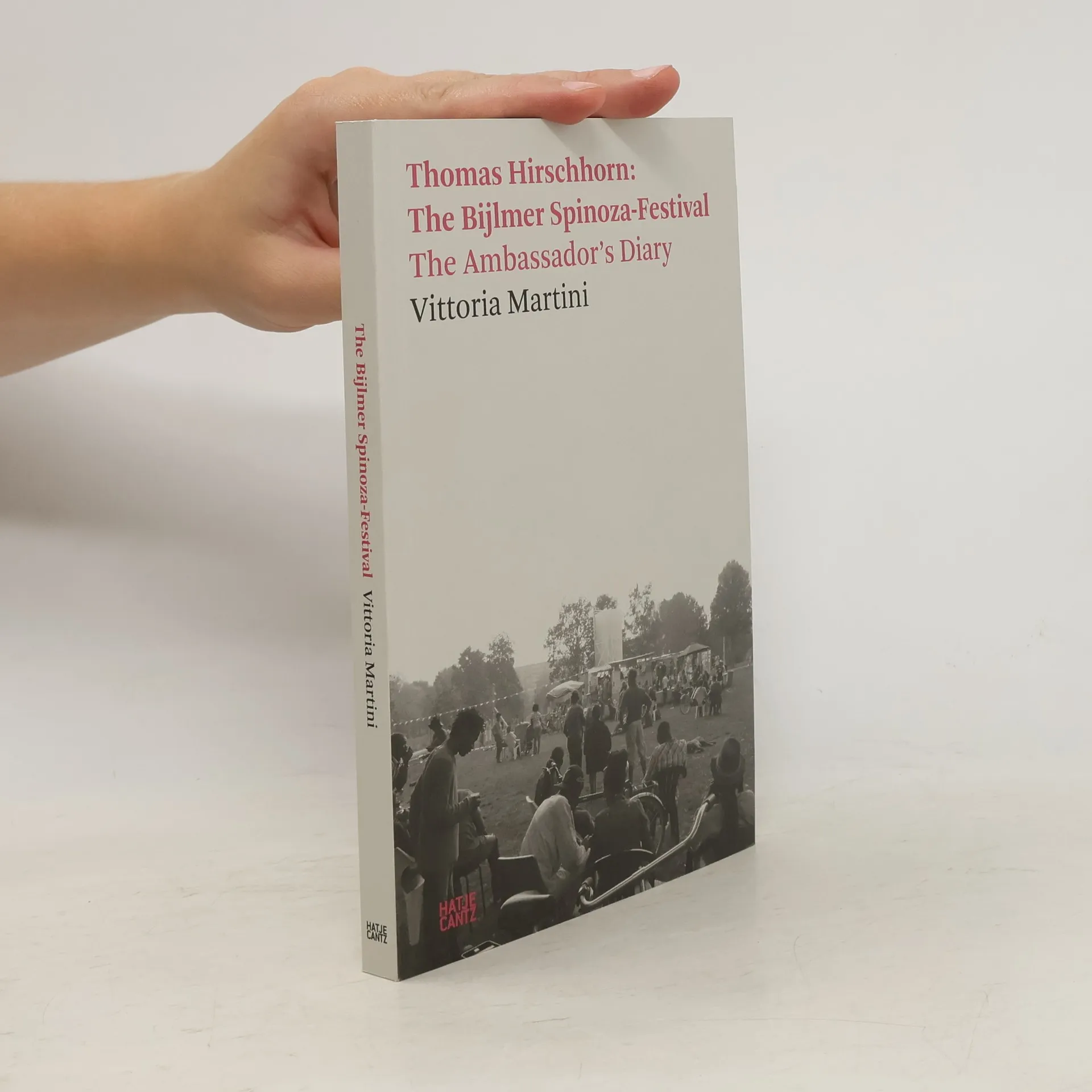
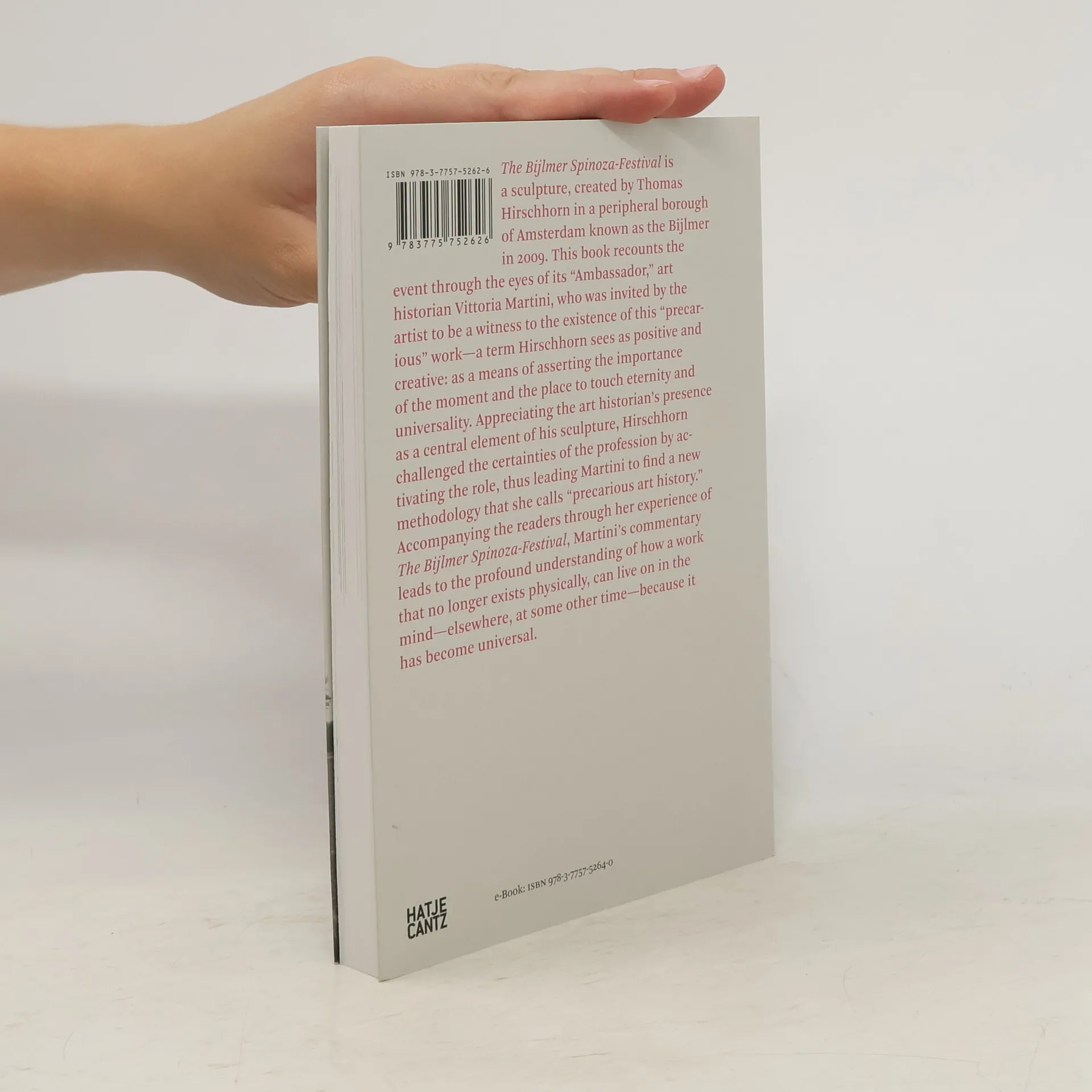
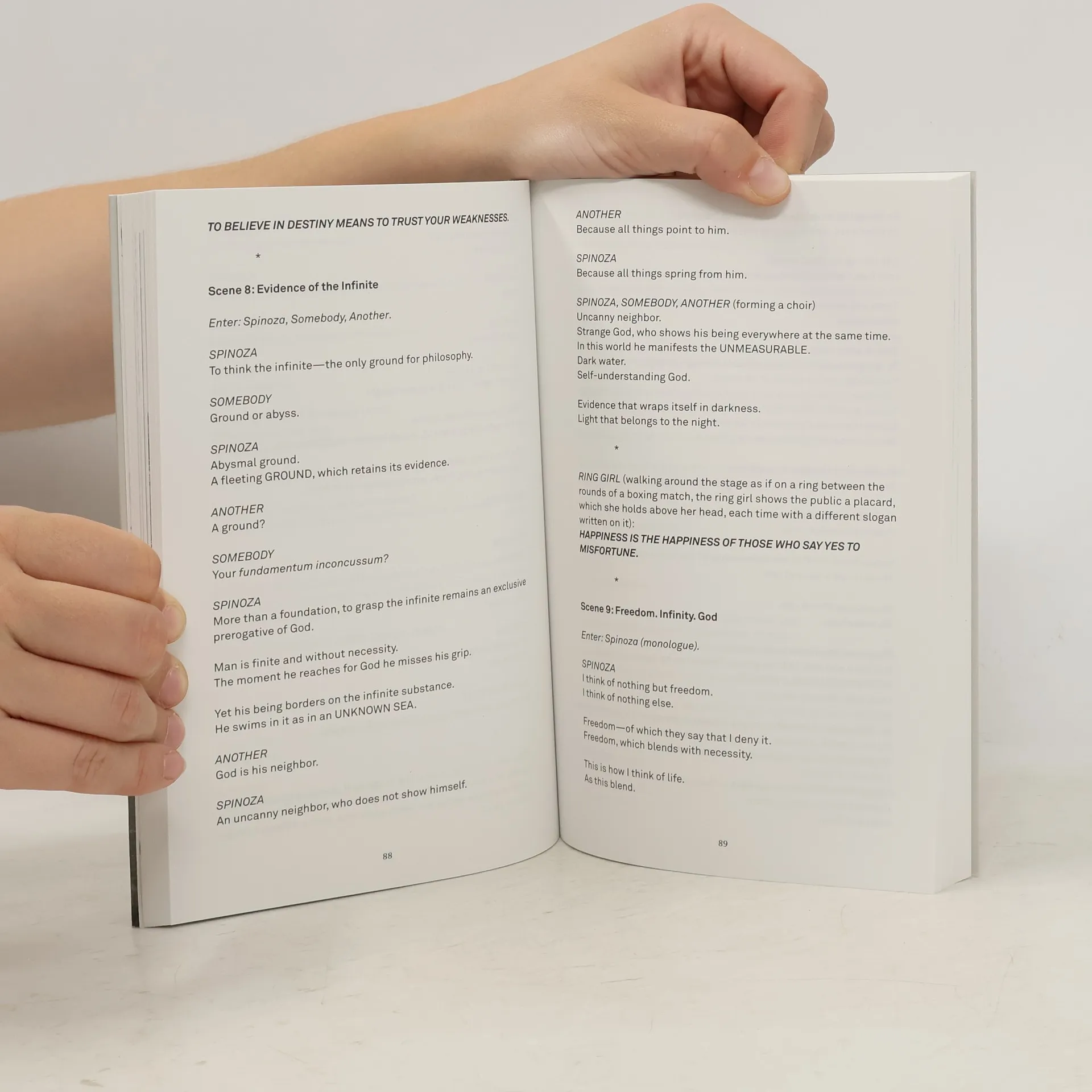
The Bijlmer Spinoza-Festival is an artwork created by Swiss artist Thomas Hirschhorn in 2009 in Amsterdam’s Bijlmer borough. This book presents the event through the perspective of art historian Vittoria Martini, invited by Hirschhorn as an eyewitness to this “precarious” work. Hirschhorn views “precarious” positively, emphasizing the significance of the moment and place, asserting the Here and Now to connect with eternity and universality. Martini's role becomes central to the sculpture, leading her to develop a new methodology called “precarious art history.” Through her commentary, she explores how a work that no longer exists physically can persist in the mind, achieving universality over time. Hirschhorn, known for his public sculptures, challenges notions of autonomy and authorship, asserting art's transformative power. He represented Switzerland at the 54th Venice Biennale in 2011 and has received several prestigious awards. Vittoria Martini, an independent art historian based in Italy, holds a doctorate and teaches exhibition history and curatorial practices. Her research focuses on the institutional frameworks that shape exhibitions.
Zakup książki
Thomas Hirschhorn: the Bijlmer Spinoza-Festival, Vittoria Martini
- Język

- Rok wydania
- 2023
- Oprawa
- (miękka)
Metody płatności
Nikt jeszcze nie ocenił.
- Tytuł
- Thomas Hirschhorn: the Bijlmer Spinoza-Festival
- Język
- angielski
- Autorzy
- Vittoria Martini
- Wydawca
- Hatje Cantz
- Rok wydania
- 2023
- Oprawa
- miękka
- Liczba stron
- 179
- ISBN10
- 3775752625
- ISBN13
- 9783775752626
- Seria
- Kategorie
- Tagi
- Opis
- The Bijlmer Spinoza-Festival is an artwork created by Swiss artist Thomas Hirschhorn in 2009 in Amsterdam’s Bijlmer borough. This book presents the event through the perspective of art historian Vittoria Martini, invited by Hirschhorn as an eyewitness to this “precarious” work. Hirschhorn views “precarious” positively, emphasizing the significance of the moment and place, asserting the Here and Now to connect with eternity and universality. Martini's role becomes central to the sculpture, leading her to develop a new methodology called “precarious art history.” Through her commentary, she explores how a work that no longer exists physically can persist in the mind, achieving universality over time. Hirschhorn, known for his public sculptures, challenges notions of autonomy and authorship, asserting art's transformative power. He represented Switzerland at the 54th Venice Biennale in 2011 and has received several prestigious awards. Vittoria Martini, an independent art historian based in Italy, holds a doctorate and teaches exhibition history and curatorial practices. Her research focuses on the institutional frameworks that shape exhibitions.