


Więcej o książce
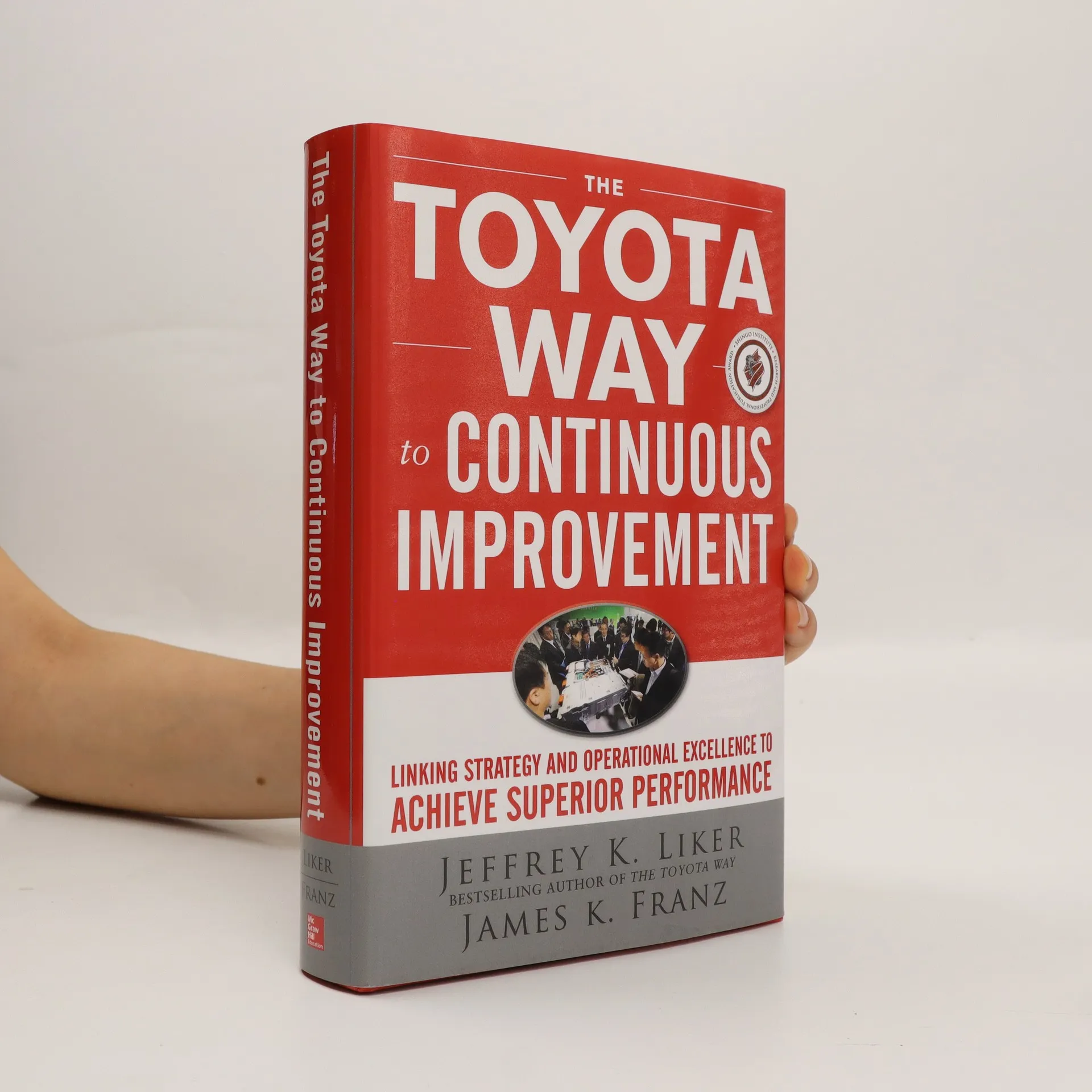
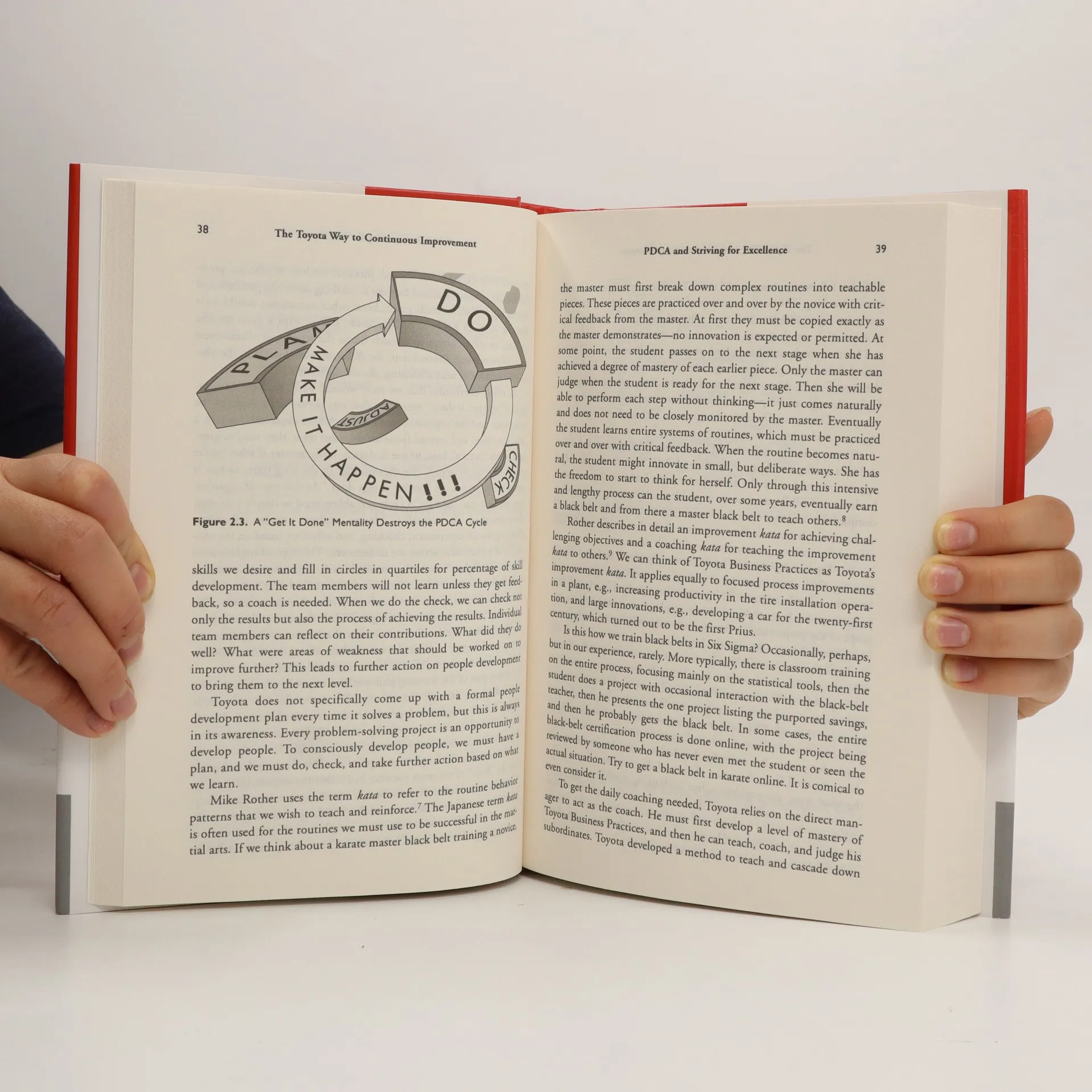
Building on the bestselling Toyota Way series by Jeffrey Liker, this book critically examines lean deployments, identifying root causes of their failures. It is divided into three sections: The first section emphasizes the need to transcend mere implementation of lean tools and foster a culture of continuous improvement that aligns operational excellence with business strategy. Using the Plan-Do-Check-Adjust (PDCA) methodology, the authors contrast genuine PDCA thinking with superficial copying of lean solutions. They highlight the significance of developing people and how Toyota Way principles drive continuous improvement, stressing that lean systems must start with a purposeful direction. The second section presents seven case studies from diverse industries, narrated by the sensei who led the transformations. These range from traditional manufacturing to healthcare, showcasing similar approaches despite industry differences. The final section begins with a composite story of a company during its early lean implementation, discussing successes and challenges faced by senseis, including bureaucratic obstacles and the need for effective lean coaches. It explores the debate between slow, organic deployment versus fast, mechanistic approaches, revealing surprising insights. The book concludes with guidance on embedding continuous improvement into company culture and the crucial role of leadership in lean transformation. This
Zakup książki
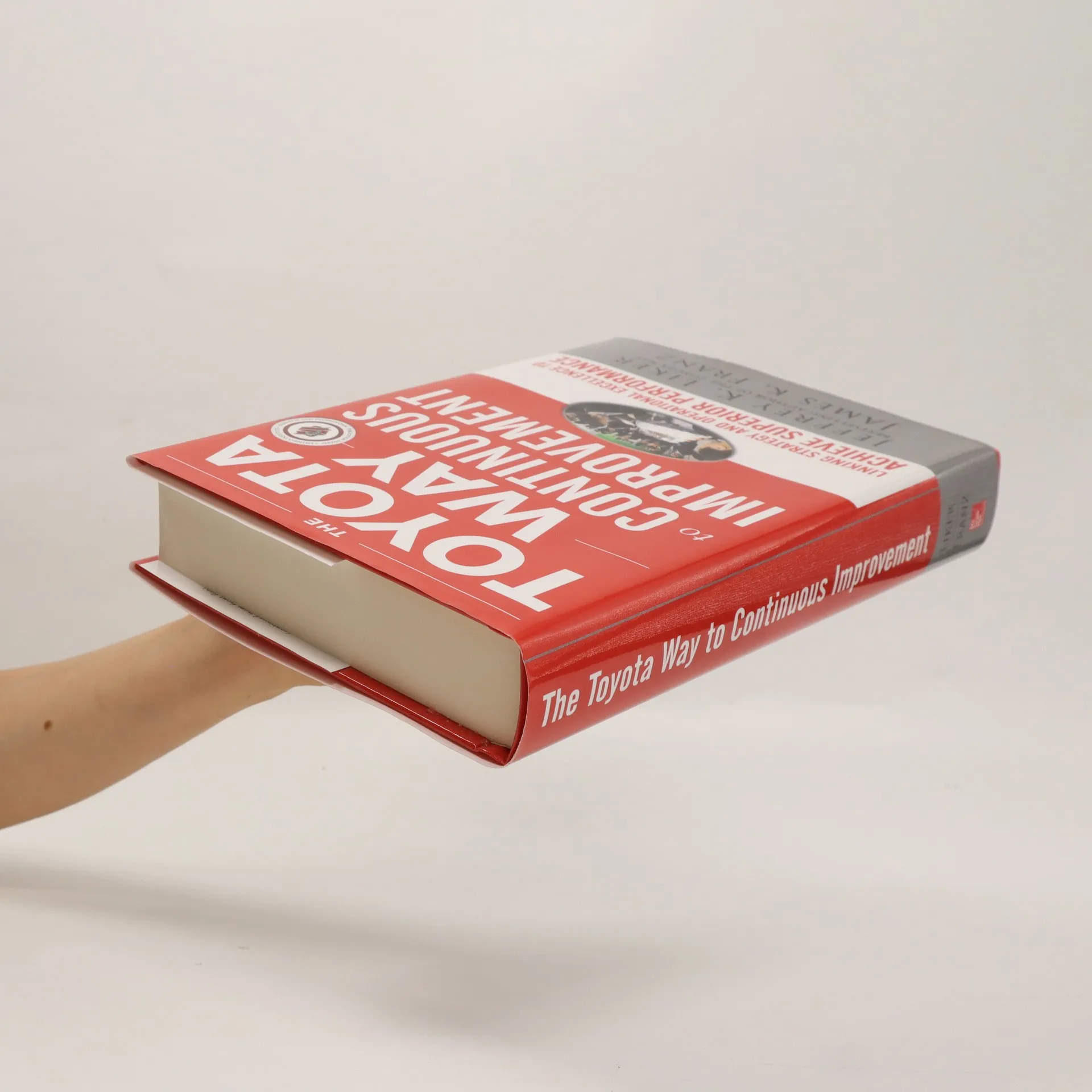
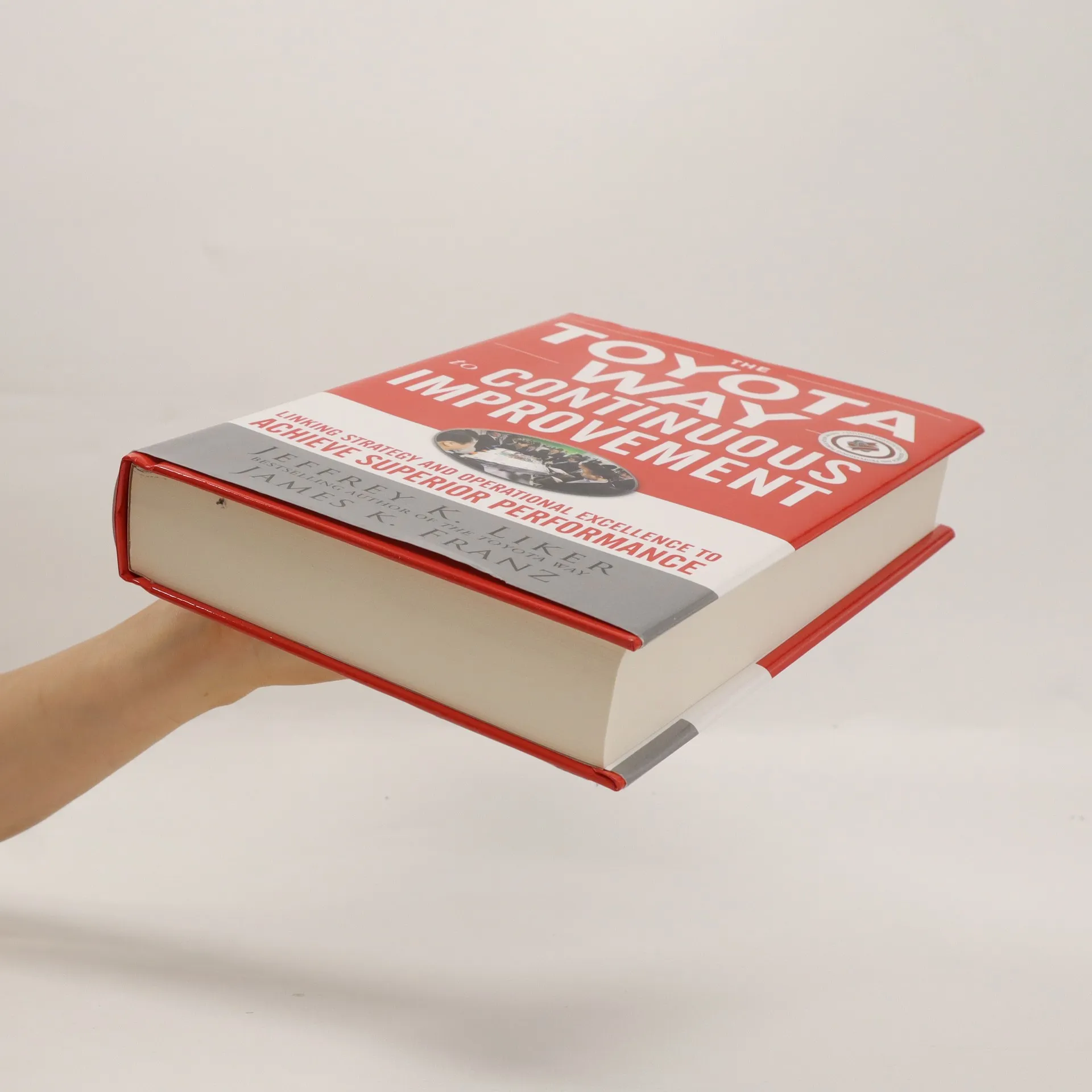
The Toyota Way to Continuous Improvement, Jeffrey K. Liker, James K. Franz
- Język

- Rok wydania
- 2011
- Oprawa
- (twarda)
Metody płatności
Brakuje nam tutaj Twojej recenzji.
- Tytuł
- The Toyota Way to Continuous Improvement
- Język
- angielski
- Autorzy
- Jeffrey K. Liker, James K. Franz
- Wydawca
- McGraw-Hill
- Rok wydania
- 2011
- Oprawa
- twarda
- Liczba stron
- 480
- ISBN10
- 0071477462
- ISBN13
- 9780071477468
- Seria
- Kategorie
- Tagi
- Biznes, Przywództwo, Inżynieria
- Ocena
- 4,1 z 5
- Opis
- Building on the bestselling Toyota Way series by Jeffrey Liker, this book critically examines lean deployments, identifying root causes of their failures. It is divided into three sections: The first section emphasizes the need to transcend mere implementation of lean tools and foster a culture of continuous improvement that aligns operational excellence with business strategy. Using the Plan-Do-Check-Adjust (PDCA) methodology, the authors contrast genuine PDCA thinking with superficial copying of lean solutions. They highlight the significance of developing people and how Toyota Way principles drive continuous improvement, stressing that lean systems must start with a purposeful direction. The second section presents seven case studies from diverse industries, narrated by the sensei who led the transformations. These range from traditional manufacturing to healthcare, showcasing similar approaches despite industry differences. The final section begins with a composite story of a company during its early lean implementation, discussing successes and challenges faced by senseis, including bureaucratic obstacles and the need for effective lean coaches. It explores the debate between slow, organic deployment versus fast, mechanistic approaches, revealing surprising insights. The book concludes with guidance on embedding continuous improvement into company culture and the crucial role of leadership in lean transformation. This