


Seria
Więcej o książce
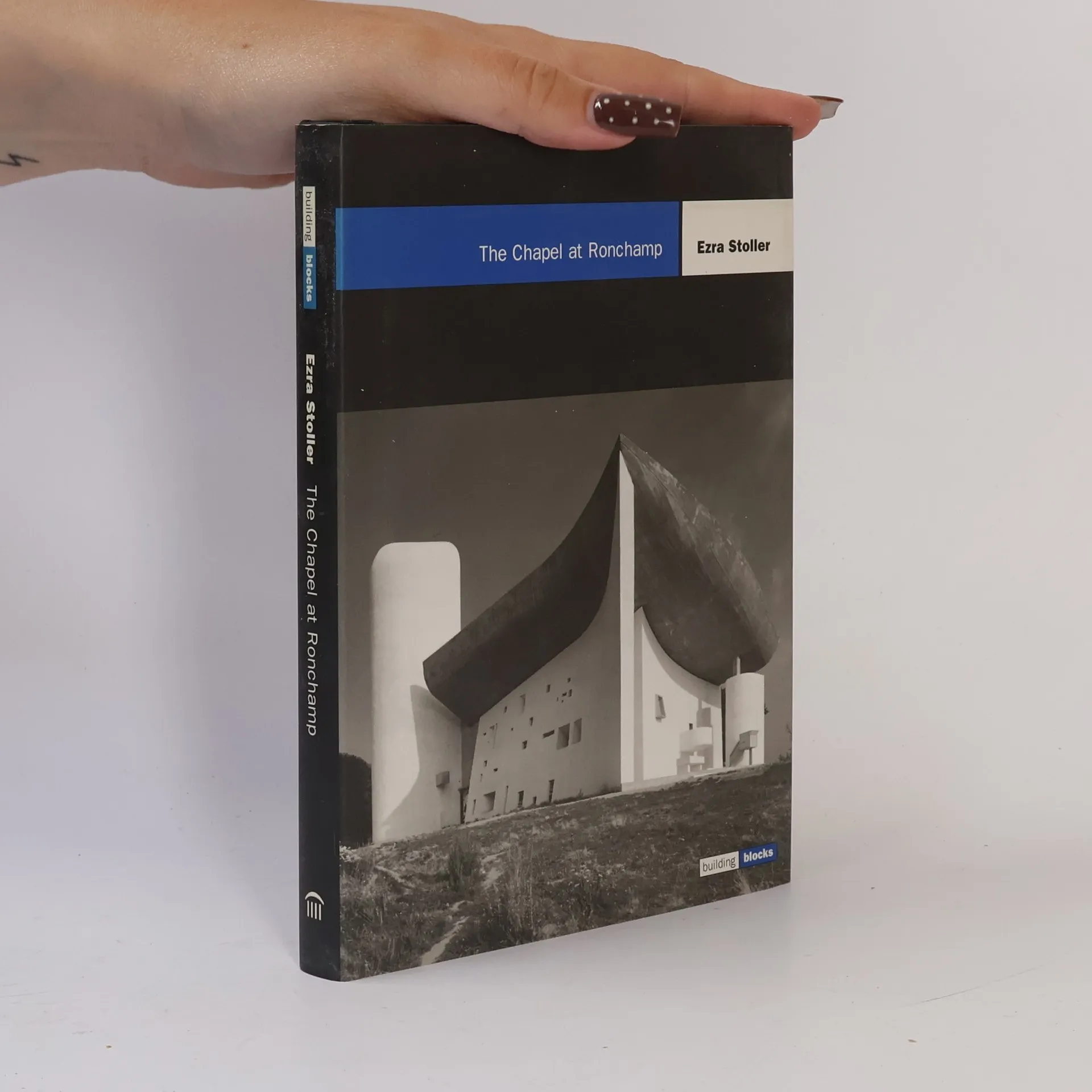
The Building Blocks series presents icons of modern architecture as interpreted by the most significant architectural photographers of our time. The first four volumes feature the work of Ezra Stoller, whose photography has defined the way postwar architecture has been viewed by architects, historians, and the public at large. The buildings inaugurating this series--Eero Saarinen's TWA Terminal, Wallace Harrison's United Nations complex, Le Corbusier's Chapel at Ronchamp, and Paul Rudolph's Yale Art and Architecture Building--all have bold sculptural presences ideally suited to Stoller's unique vision. Each cloth-bound book in the series contains at least 80 pages of rich duotone images. Taken just after the completion of each project, these photographs provide a unique historical record of the buildings in use, documenting the people, fashions, and furnishings of the period. Through Stoller's photographs, we see these buildings the way the architects wanted us to know them. In the preface to each volume Stoller tells of his personal relationship with the architect of each project and recounts his experience photographing it. Brief introductions reveal the unique history of each building; also included are newly drawn plans.
Zakup książki
The chapel at Ronchamp, Ezra Stoller, Eugenia Bell
- Język

- Rok wydania
- 1999
- Oprawa
- (twarda)
Metody płatności
Brakuje nam tutaj Twojej recenzji.
- Tytuł
- The chapel at Ronchamp
- Język
- angielski
- Autorzy
- Ezra Stoller, Eugenia Bell
- Rok wydania
- 1999
- Oprawa
- twarda
- ISBN10
- 1568981848
- ISBN13
- 9781568981840
- Seria
- Building Blocks
- Kolekcja
- Building blocks
- Tagi
- Sztuka, Architektura
- Ocena
- 4,1 z 5
- Opis
- The Building Blocks series presents icons of modern architecture as interpreted by the most significant architectural photographers of our time. The first four volumes feature the work of Ezra Stoller, whose photography has defined the way postwar architecture has been viewed by architects, historians, and the public at large. The buildings inaugurating this series--Eero Saarinen's TWA Terminal, Wallace Harrison's United Nations complex, Le Corbusier's Chapel at Ronchamp, and Paul Rudolph's Yale Art and Architecture Building--all have bold sculptural presences ideally suited to Stoller's unique vision. Each cloth-bound book in the series contains at least 80 pages of rich duotone images. Taken just after the completion of each project, these photographs provide a unique historical record of the buildings in use, documenting the people, fashions, and furnishings of the period. Through Stoller's photographs, we see these buildings the way the architects wanted us to know them. In the preface to each volume Stoller tells of his personal relationship with the architect of each project and recounts his experience photographing it. Brief introductions reveal the unique history of each building; also included are newly drawn plans.