





Więcej o książce
In a pivotal Cold War moment, Dwight D. Eisenhower's presidency shifted dramatically when the Soviet Union launched Sputnik, the first satellite. What Eisenhower referred to as "a small ball" became a symbol of Russian pride and political leverage, leading critics to accuse him of a sluggish response to the space challenge. However, Eisenhower maintained his composure and played a crucial role in ushering the United States into the Space Age, despite the common perception that John F. Kennedy deserves more credit for this achievement. Yanek Mieczkowski's examination of this period reassesses Eisenhower's leadership, highlighting his approval of groundbreaking satellites, support for a new civilian space agency, and the signing of a significant science education law. These actions transformed Eisenhower's post-Sputnik years into a time of notable progress, despite facing economic recession, health issues, and a failed satellite launch. His principled stance allowed him to resist pressure for increased federal spending, prioritizing a balanced budget and strong national defense. Yet, the launch of Sputnik shifted global power dynamics, pushing Eisenhower into unfamiliar territory and leading him to underestimate the significance of space in the Cold War's "prestige race." Kennedy later seized on this issue in the 1960 election, advocating for a manned moon mission, which Eisenhower viewed with frustration. Mieczkowski's fast-pac
Zakup książki
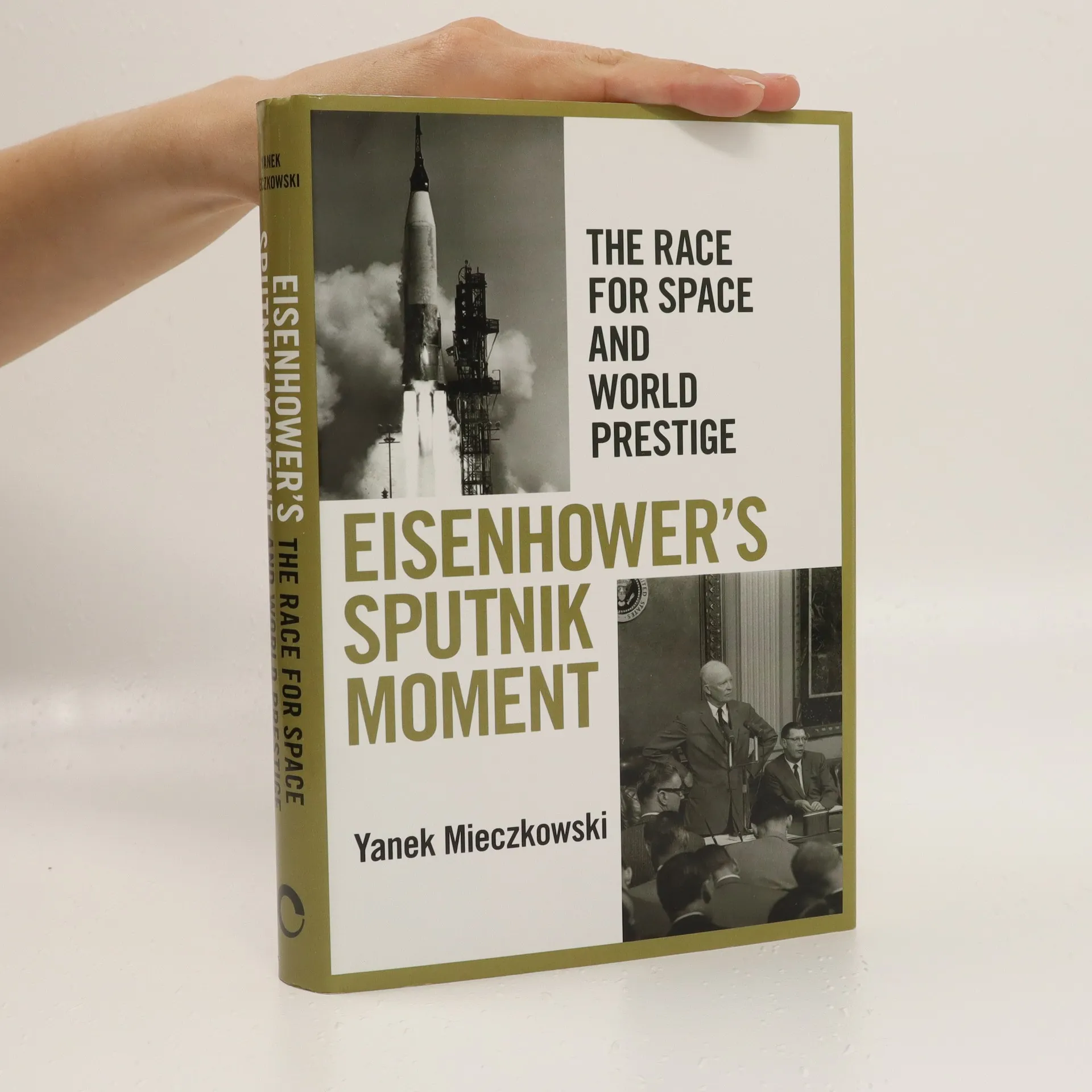
Eisenhower's Sputnik moment : the race for space and world prestige, Yanek Mieczkowski
- Język

- Rok wydania
- 2013
- Oprawa
- (twarda)
Metody płatności
Brakuje nam tutaj Twojej recenzji.
- Tytuł
- Eisenhower's Sputnik moment : the race for space and world prestige
- Język
- angielski
- Autorzy
- Yanek Mieczkowski
- Wydawca
- Cornell University Press
- Rok wydania
- 2013
- Oprawa
- twarda
- Liczba stron
- 358
- ISBN10
- 0801451507
- ISBN13
- 9780801451508
- Seria
- Tagi
- Kosmos, Historia USA
- Ocena
- 4,05 z 5
- Opis
- In a pivotal Cold War moment, Dwight D. Eisenhower's presidency shifted dramatically when the Soviet Union launched Sputnik, the first satellite. What Eisenhower referred to as "a small ball" became a symbol of Russian pride and political leverage, leading critics to accuse him of a sluggish response to the space challenge. However, Eisenhower maintained his composure and played a crucial role in ushering the United States into the Space Age, despite the common perception that John F. Kennedy deserves more credit for this achievement. Yanek Mieczkowski's examination of this period reassesses Eisenhower's leadership, highlighting his approval of groundbreaking satellites, support for a new civilian space agency, and the signing of a significant science education law. These actions transformed Eisenhower's post-Sputnik years into a time of notable progress, despite facing economic recession, health issues, and a failed satellite launch. His principled stance allowed him to resist pressure for increased federal spending, prioritizing a balanced budget and strong national defense. Yet, the launch of Sputnik shifted global power dynamics, pushing Eisenhower into unfamiliar territory and leading him to underestimate the significance of space in the Cold War's "prestige race." Kennedy later seized on this issue in the 1960 election, advocating for a manned moon mission, which Eisenhower viewed with frustration. Mieczkowski's fast-pac