


Parametry
Więcej o książce
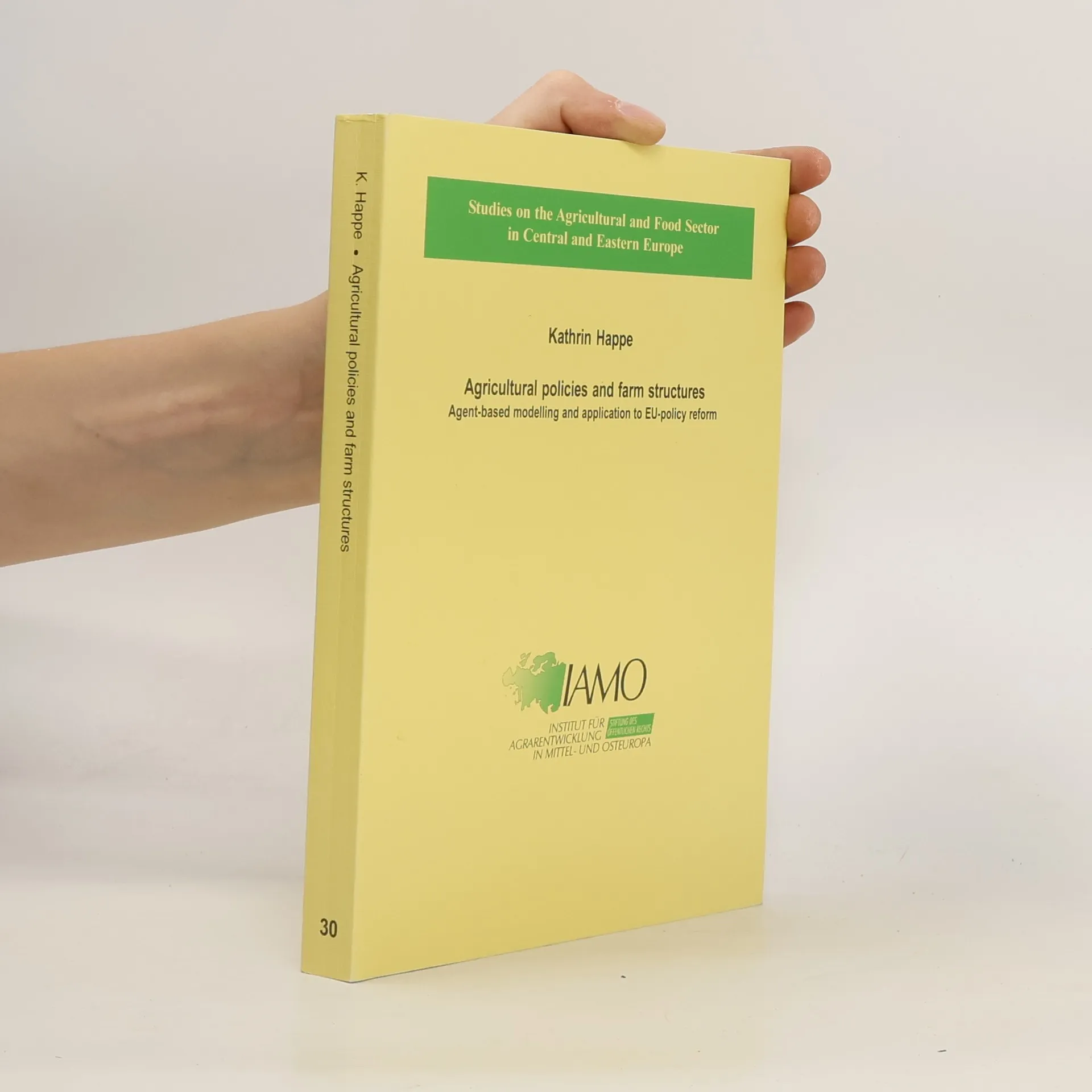
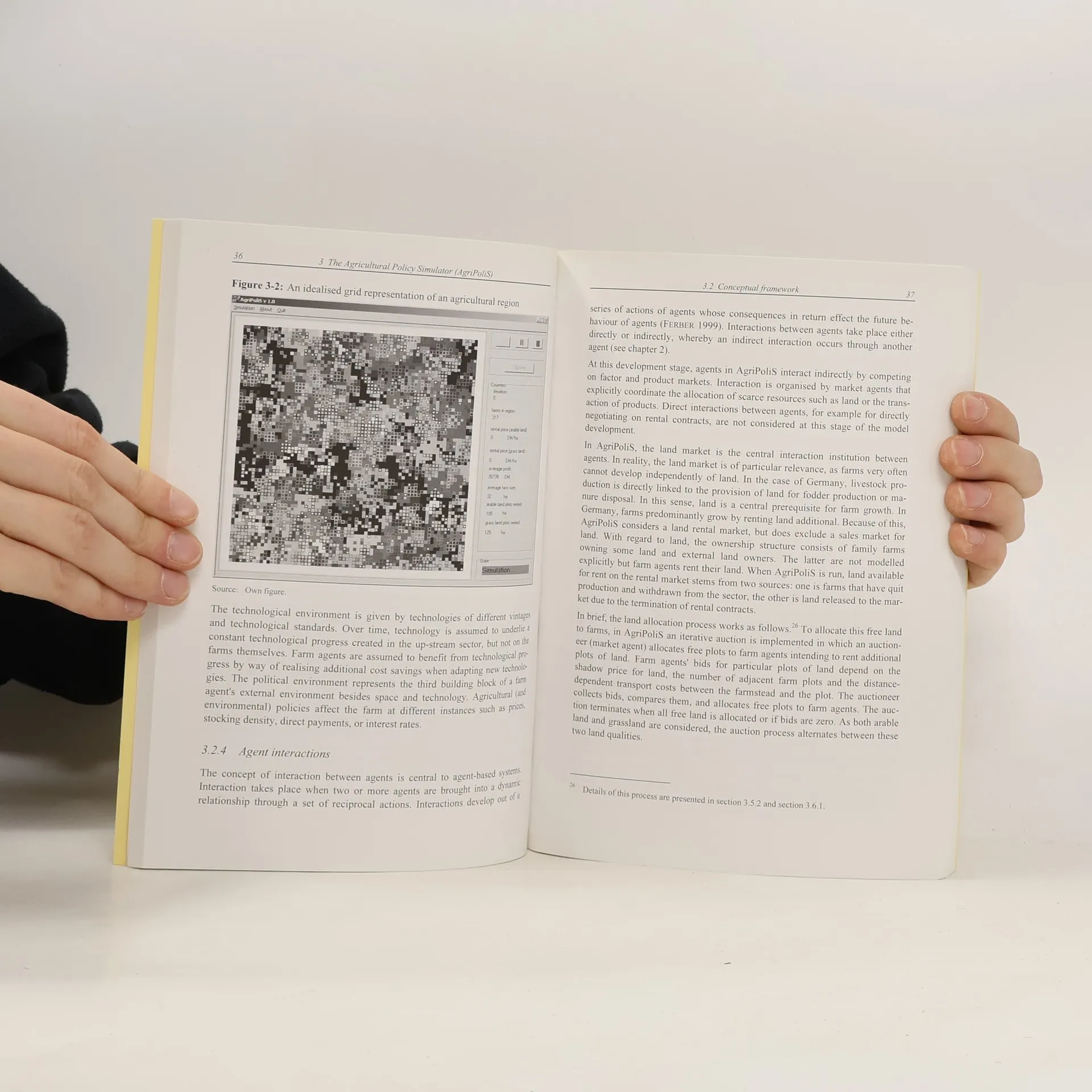
Agricultural structures are influenced by various factors such as economic, cultural, historical, political, technological, and geographical conditions. These structures are dynamic, undergoing constant evolution in response to shifts in demand, supply, and technological advancements. A primary goal of agricultural policy has been to develop competitive and efficient structures while ensuring farmers maintain a fair standard of living. Historically, government interventions in the agricultural sector of industrialized nations aimed to achieve these objectives, but many policies have inadvertently created resource use distortions. Recent advancements in modelling techniques, particularly agent-based models, alongside improved computing capabilities, present new opportunities to analyze adjustment reactions and assess the impacts of agricultural policies. This thesis explores these methodologies to evaluate the effects of agricultural policies on regional structural change in Baden-Württemberg. It aims to enhance understanding of the dynamics of structural change and the factors driving it. The analysis begins with the hypothesis that Hohenlohe's agricultural structure exhibits inefficiencies and that existing policies have hindered necessary structural adjustments. The study investigates whether policy changes can promote a transition toward a more efficient and competitive agricultural framework.
Zakup książki
Agricultural policies and farm structures, Kathrin Happe
- Język

- Rok wydania
- 2004
- Oprawa
- (miękka)
Metody płatności
Nikt jeszcze nie ocenił.
- Tytuł
- Agricultural policies and farm structures
- Język
- angielski
- Autorzy
- Kathrin Happe
- Wydawca
- IAMO
- Rok wydania
- 2004
- Oprawa
- miękka
- ISBN10
- 3938584017
- ISBN13
- 9783938584019
- Seria
- Kategorie
- Opis
- Agricultural structures are influenced by various factors such as economic, cultural, historical, political, technological, and geographical conditions. These structures are dynamic, undergoing constant evolution in response to shifts in demand, supply, and technological advancements. A primary goal of agricultural policy has been to develop competitive and efficient structures while ensuring farmers maintain a fair standard of living. Historically, government interventions in the agricultural sector of industrialized nations aimed to achieve these objectives, but many policies have inadvertently created resource use distortions. Recent advancements in modelling techniques, particularly agent-based models, alongside improved computing capabilities, present new opportunities to analyze adjustment reactions and assess the impacts of agricultural policies. This thesis explores these methodologies to evaluate the effects of agricultural policies on regional structural change in Baden-Württemberg. It aims to enhance understanding of the dynamics of structural change and the factors driving it. The analysis begins with the hypothesis that Hohenlohe's agricultural structure exhibits inefficiencies and that existing policies have hindered necessary structural adjustments. The study investigates whether policy changes can promote a transition toward a more efficient and competitive agricultural framework.