

Więcej o książce
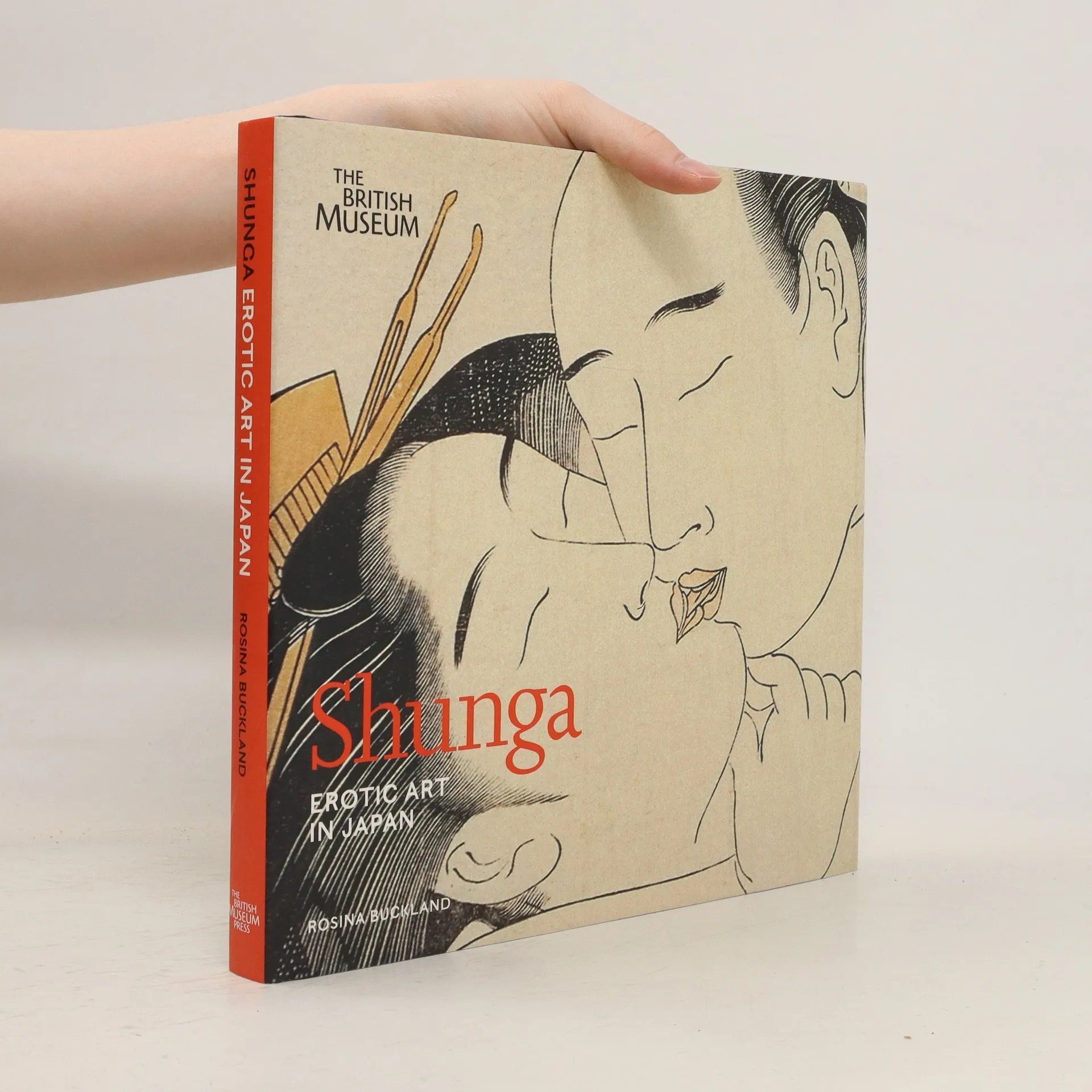
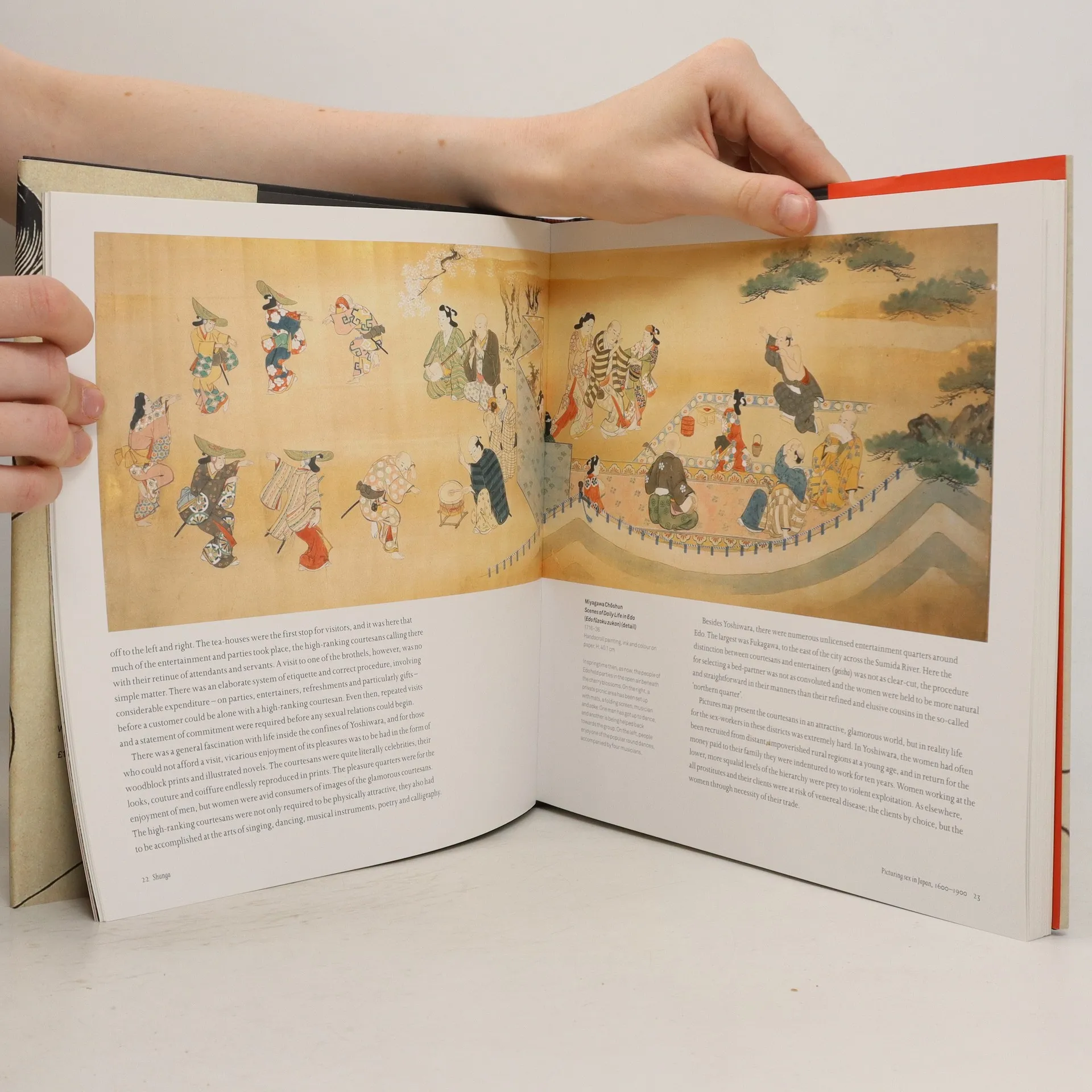
Over the course of the Edo period (1600-1868), an extraordinarily large quantity of paintings, prints and illustrated books with sexual and erotic themes was produced in Japan. As urban culture expanded rapidly during the seventeenth century, erotic material was a major genre of woodblock print production. These constitute some of the finest examples of art-printing in Japan, employing deluxe materials and special printing effects. This book looks at pictures by some of the most renown artists, such as Kitagawa Utamaro and Katsushika Hokusai, who produced erotic imagery as a standard part of their work. When creating erotica, artists often played on sexual situations in everyday life: a wife catches her husband having sex with a maid, mice start copulating in imitation of humans. Erotic encounters in Edo-period woodblock prints reflect multiple perspectives - male, female, heterosexual and homosexual. Japanese erotic art is also notable for its tone of humour, much more so than in Western representations of sex. There was also frequent recourse to satire and parody, often in defiance of contemporary censorship and sumptuary regulations.
Zakup książki
Shunga, Rosina Buckland
- Język

- Rok wydania
- 2013
- Oprawa
- (twarda)
Metody płatności
Brakuje nam tutaj Twojej recenzji.
- Tytuł
- Shunga
- Język
- angielski
- Autorzy
- Rosina Buckland
- Wydawca
- Frölich & Kaufmann
- Rok wydania
- 2013
- Oprawa
- twarda
- Liczba stron
- 176
- ISBN10
- 071412463X
- ISBN13
- 9780714124636
- Seria
- Tagi
- Sztuki piękne
- Ocena
- 4,35 z 5
- Opis
- Over the course of the Edo period (1600-1868), an extraordinarily large quantity of paintings, prints and illustrated books with sexual and erotic themes was produced in Japan. As urban culture expanded rapidly during the seventeenth century, erotic material was a major genre of woodblock print production. These constitute some of the finest examples of art-printing in Japan, employing deluxe materials and special printing effects. This book looks at pictures by some of the most renown artists, such as Kitagawa Utamaro and Katsushika Hokusai, who produced erotic imagery as a standard part of their work. When creating erotica, artists often played on sexual situations in everyday life: a wife catches her husband having sex with a maid, mice start copulating in imitation of humans. Erotic encounters in Edo-period woodblock prints reflect multiple perspectives - male, female, heterosexual and homosexual. Japanese erotic art is also notable for its tone of humour, much more so than in Western representations of sex. There was also frequent recourse to satire and parody, often in defiance of contemporary censorship and sumptuary regulations.