

Więcej o książce
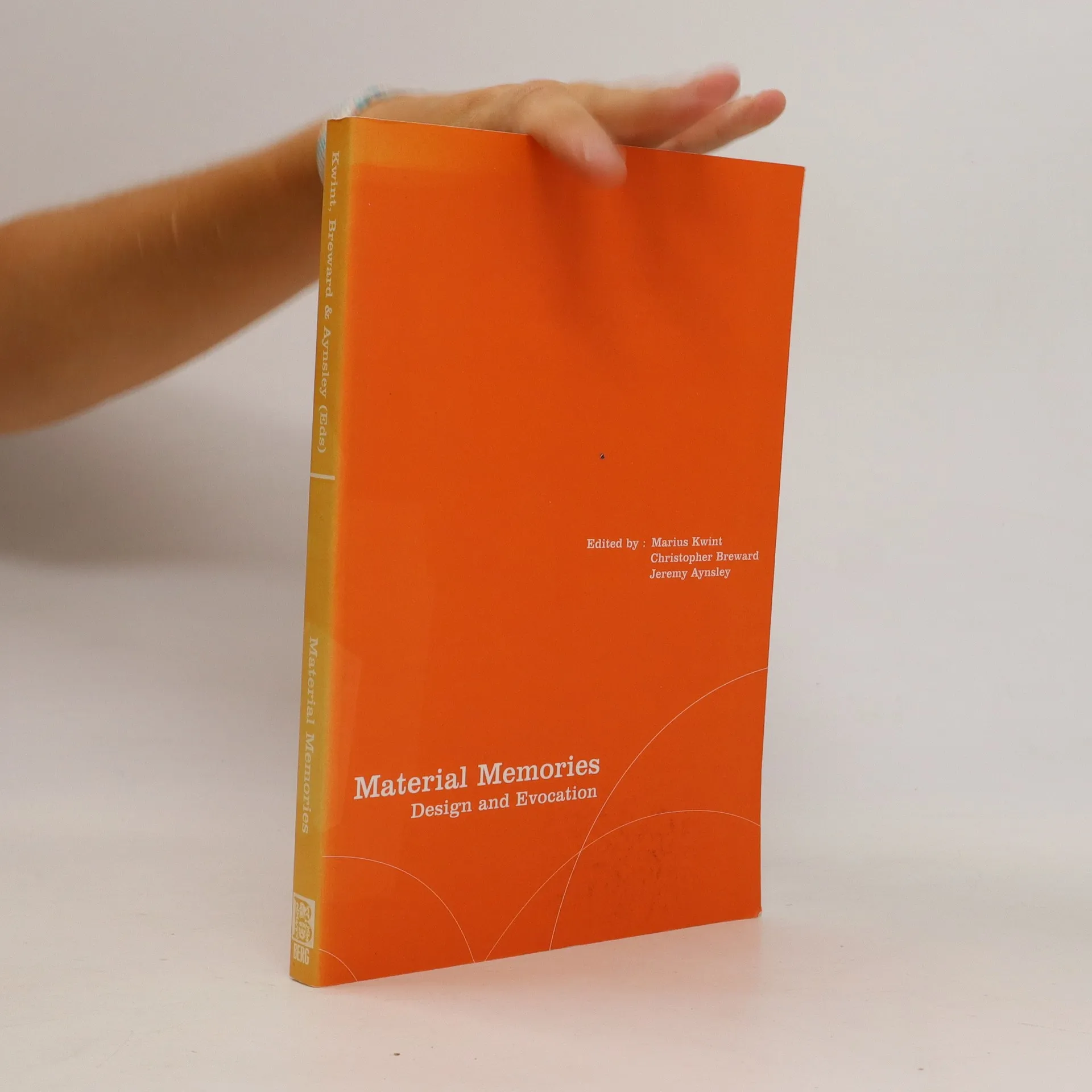
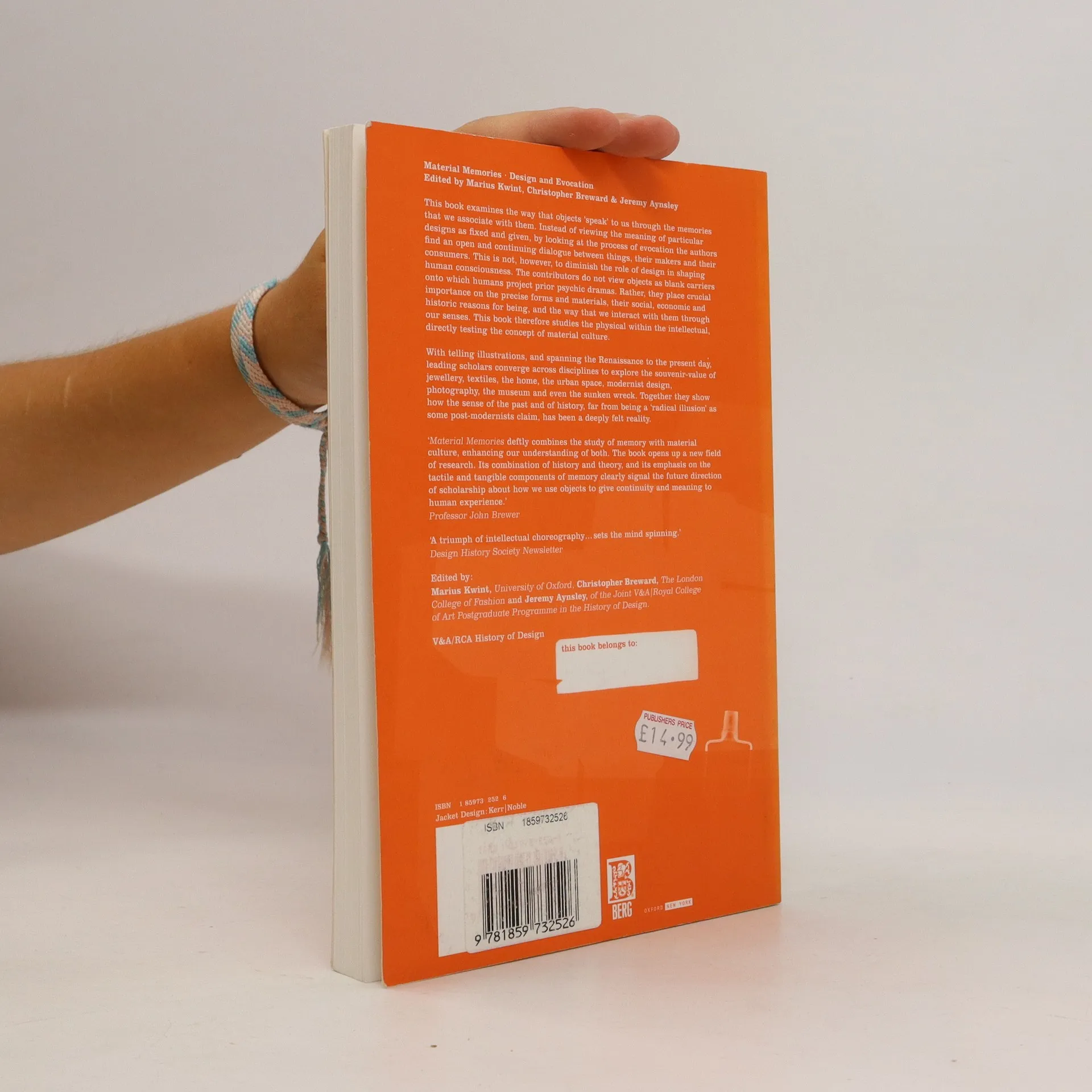
This book examines the way that objects 'speak' to us through the memories that we associate with them. Instead of viewing the meaning of particular designs as fixed and given, by looking at the process of evocation it finds an open and continuing dialogue between things, their makers and their consumers. This is not, however, to diminish the role of design in shapinghuman consciousness. The contributors do not view objects as blank carriers onto which humans project prior psychic dramas, but rather, place crucial importance on the precise materials from which they are made, their social, economic and historic reasons for being, and the way that we interact with them through our senses. This book therefore studies the physical withinthe intellectual, directly testing the concept of material culture. With telling illustrations, and spanning the Renaissance to the present day, leading scholars converge across disciplines to explore the souvenir-value of jewellery, textiles, the home, the urban space, modernist design, photography, the museum and even the sunken wreck. Together they show howthe sense of the past and of history, far from being a 'radical illusion' as some post-modernists claim, has been a deeply felt reality.
Zakup książki
Material Memories, Jeremy Aynsley, Christopher Breward, Marius Kwint
- Język

- Rok wydania
- 1999
- Oprawa
- (miękka)
Metody płatności
Brakuje nam tutaj Twojej recenzji.
- Tytuł
- Material Memories
- Język
- angielski
- Wydawca
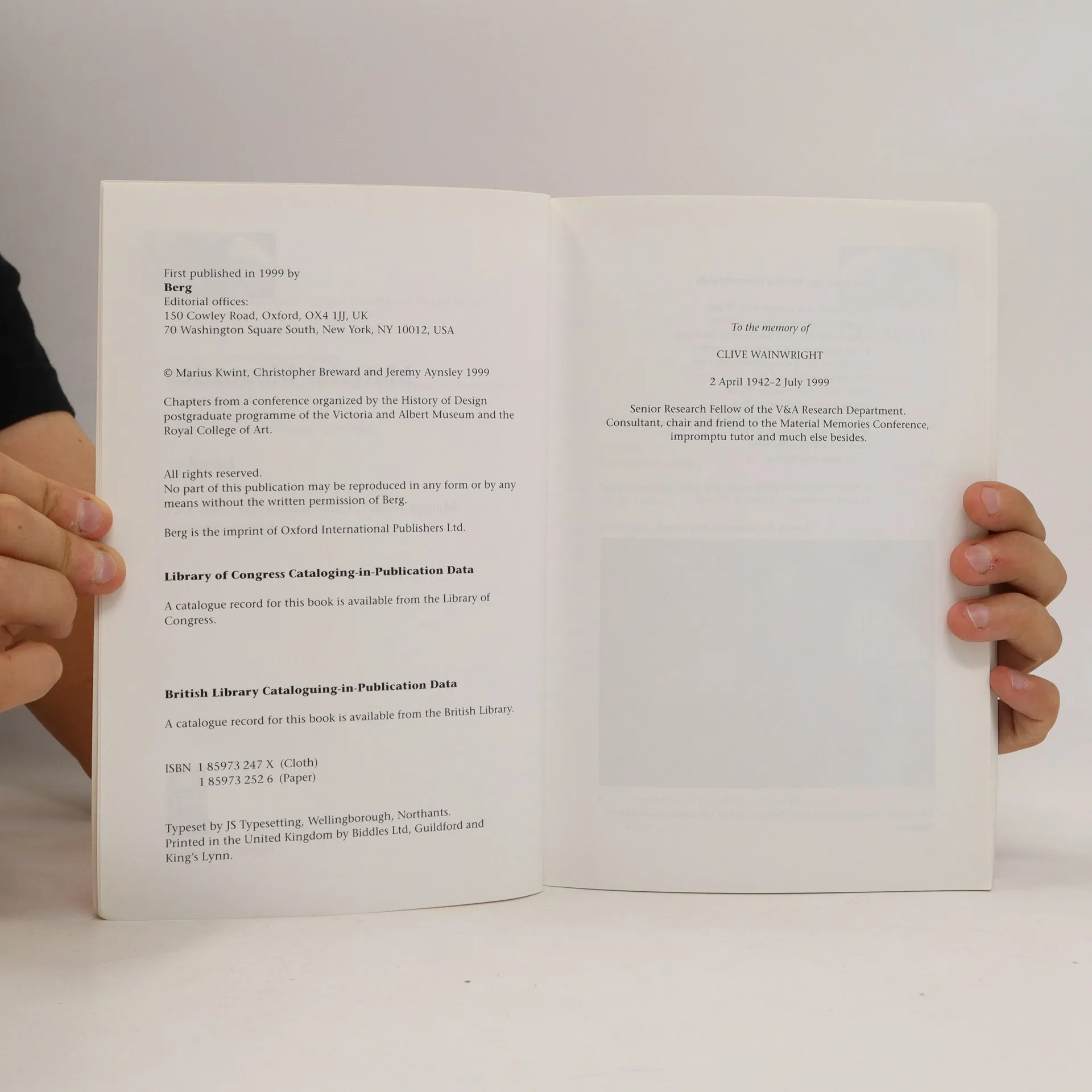
- Berg Publishers
- Rok wydania
- 1999
- Oprawa
- miękka
- Liczba stron
- 256
- ISBN10
- 1859732526
- ISBN13
- 9781859732526
- Seria
- Tagi
- Sztuka
- Ocena
- 4 z 5
- Opis
- This book examines the way that objects 'speak' to us through the memories that we associate with them. Instead of viewing the meaning of particular designs as fixed and given, by looking at the process of evocation it finds an open and continuing dialogue between things, their makers and their consumers. This is not, however, to diminish the role of design in shapinghuman consciousness. The contributors do not view objects as blank carriers onto which humans project prior psychic dramas, but rather, place crucial importance on the precise materials from which they are made, their social, economic and historic reasons for being, and the way that we interact with them through our senses. This book therefore studies the physical withinthe intellectual, directly testing the concept of material culture. With telling illustrations, and spanning the Renaissance to the present day, leading scholars converge across disciplines to explore the souvenir-value of jewellery, textiles, the home, the urban space, modernist design, photography, the museum and even the sunken wreck. Together they show howthe sense of the past and of history, far from being a 'radical illusion' as some post-modernists claim, has been a deeply felt reality.