

Parametry
Więcej o książce
This volume represents a significant moment, with essays primarily written during the public debate in Britain surrounding the Human Fertilization and Embryology Act (1990). The medical advancements related to this Act have global implications, and the essays provide an anthropological perspective on the British discourse. New reproductive technologies—such as in vitro fertilization, gamete donation, and maternal surrogacy—prompt fresh considerations of kinship. However, these possibilities are often filtered through existing cultural ideas, which shape our understanding of kinship and its future. The essays also raise broader questions about the relationship between 'nature' and 'culture,' highlighting anthropologists' vested interest in cultural concepts and the evolution of these ideas. The collection aims to illustrate how anthropological insights can contribute to contemporary discussions, drawing from diverse cultural materials worldwide, even when focused on local contexts. Influenced by recent reexaminations of kinship models in Melanesia, the essays underscore the importance of developing new descriptions of kin relations. Anthropological knowledge exemplifies the process of rethinking concepts and images that originate from various cultural domains, revealing that the world is interconnected through kinship.
Zakup książki
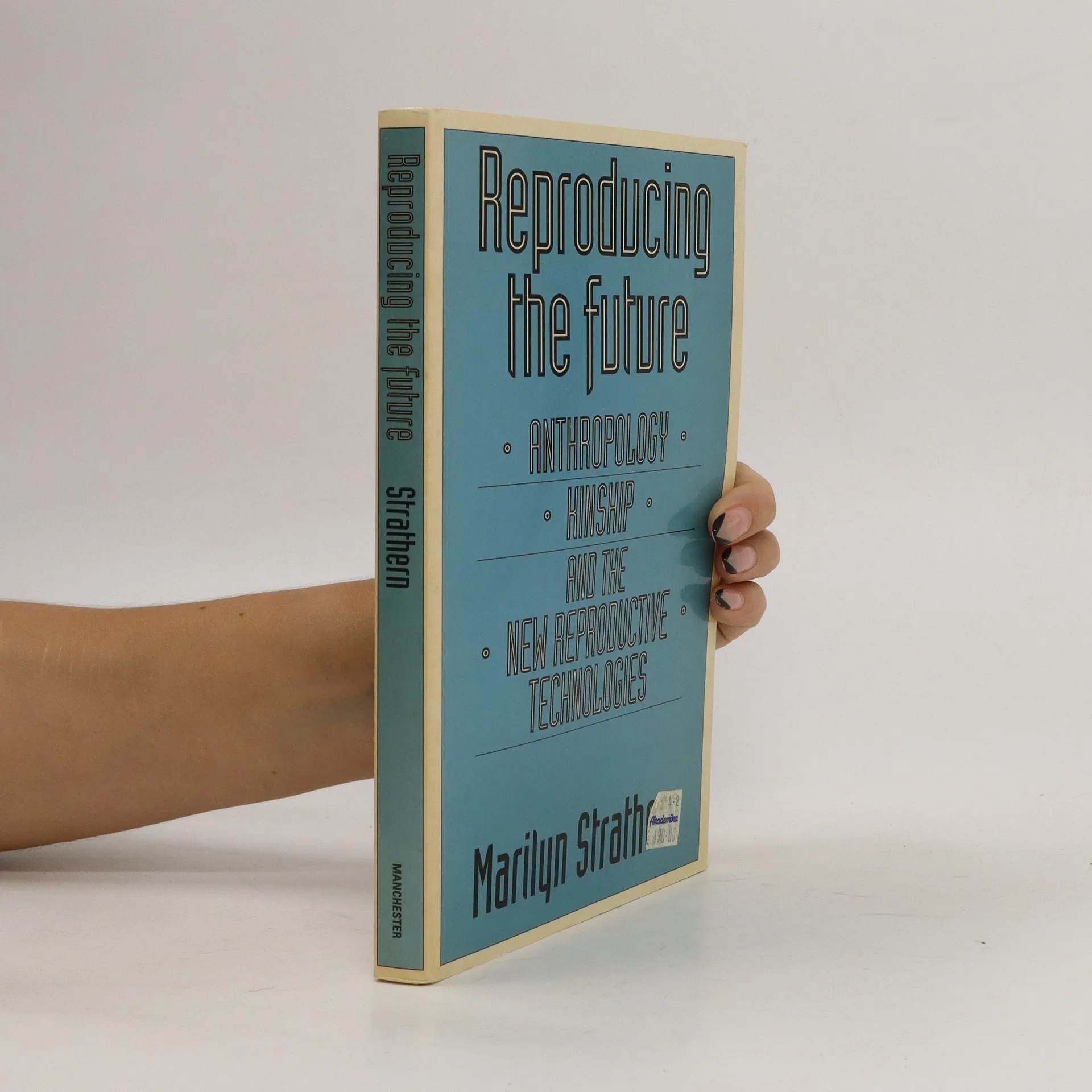
Reproducing the future, Marilyn Strathern
- Język

- Rok wydania
- 1992
- Oprawa
- (twarda)
Metody płatności
Nikt jeszcze nie ocenił.
- Tytuł
- Reproducing the future
- Język
- angielski
- Autorzy
- Marilyn Strathern
- Wydawca
- Manchester University Press
- Rok wydania
- 1992
- Oprawa
- twarda
- ISBN10
- 0719036739
- ISBN13
- 9780719036736
- Seria
- Tagi
- Opis
- This volume represents a significant moment, with essays primarily written during the public debate in Britain surrounding the Human Fertilization and Embryology Act (1990). The medical advancements related to this Act have global implications, and the essays provide an anthropological perspective on the British discourse. New reproductive technologies—such as in vitro fertilization, gamete donation, and maternal surrogacy—prompt fresh considerations of kinship. However, these possibilities are often filtered through existing cultural ideas, which shape our understanding of kinship and its future. The essays also raise broader questions about the relationship between 'nature' and 'culture,' highlighting anthropologists' vested interest in cultural concepts and the evolution of these ideas. The collection aims to illustrate how anthropological insights can contribute to contemporary discussions, drawing from diverse cultural materials worldwide, even when focused on local contexts. Influenced by recent reexaminations of kinship models in Melanesia, the essays underscore the importance of developing new descriptions of kin relations. Anthropological knowledge exemplifies the process of rethinking concepts and images that originate from various cultural domains, revealing that the world is interconnected through kinship.