



Parametry
Więcej o książce
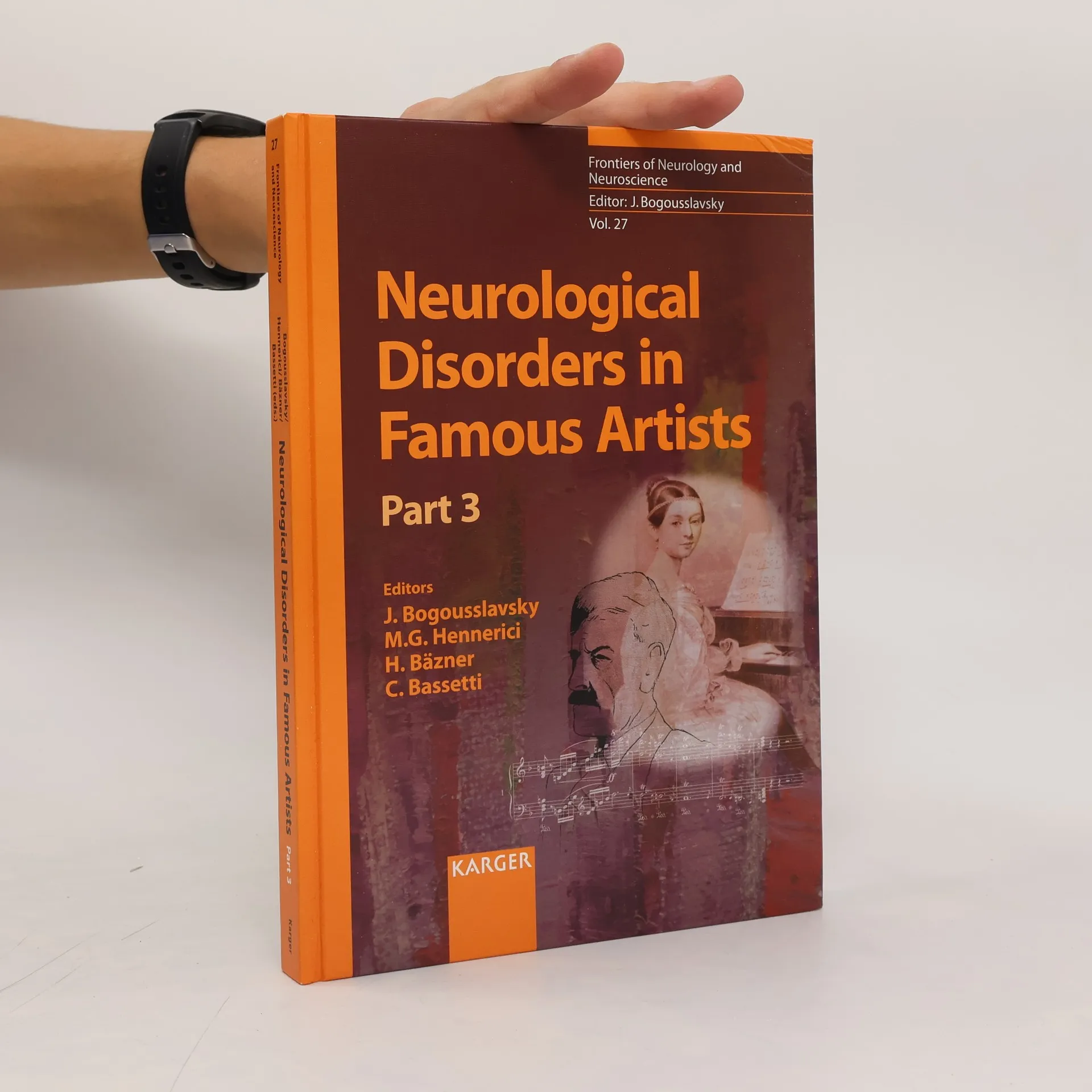
The third part of 'Neurological Disorders in Famous Artists' presents painters, musicians, and writers who had to fight against an acute or chronic neurological disease. Sometimes this fight was without success (e.g. Shostakovich, Schumann, Wolf, Pascal), but often a dynamic and paradoxical creativity of the clinical disorder was integrated into their artistic production (e.g. Klee, Ramuz). Occasionally, some even wrote the first report of a medical condition they observed in themselves, like Stendhal who made a detailed report of aphasic transient ischemic attacks before dying of stroke shortly thereafter. In rarer instances, a neurological disease was inaccurately attributed to an artist in order to explain certain features of his work (de Chirico, Schiele). Some chapters in this publication focus on neurological conditions reported in artistic work, including descriptions by Shakespeare and Dumas. Bringing new light to both artists and neurological conditions, this book serves as a valuable and entertaining read for neurologists, psychiatrists, physicians, and anybody interested in arts, literature and music.
Zakup książki
Neurological disorders in famous artists,
- Język

- Rok wydania
- 2010
- Oprawa
- (twarda)
Metody płatności
Nikt jeszcze nie ocenił.
- Tytuł
- Neurological disorders in famous artists
- Język
- angielski
- Autorzy
- Wydawca
- Karger
- Rok wydania
- 2010
- Oprawa
- twarda
- ISBN10
- 3805593309
- ISBN13
- 9783805593304
- Seria
- Kategorie
- Opis
- The third part of 'Neurological Disorders in Famous Artists' presents painters, musicians, and writers who had to fight against an acute or chronic neurological disease. Sometimes this fight was without success (e.g. Shostakovich, Schumann, Wolf, Pascal), but often a dynamic and paradoxical creativity of the clinical disorder was integrated into their artistic production (e.g. Klee, Ramuz). Occasionally, some even wrote the first report of a medical condition they observed in themselves, like Stendhal who made a detailed report of aphasic transient ischemic attacks before dying of stroke shortly thereafter. In rarer instances, a neurological disease was inaccurately attributed to an artist in order to explain certain features of his work (de Chirico, Schiele). Some chapters in this publication focus on neurological conditions reported in artistic work, including descriptions by Shakespeare and Dumas. Bringing new light to both artists and neurological conditions, this book serves as a valuable and entertaining read for neurologists, psychiatrists, physicians, and anybody interested in arts, literature and music.