


Więcej o książce
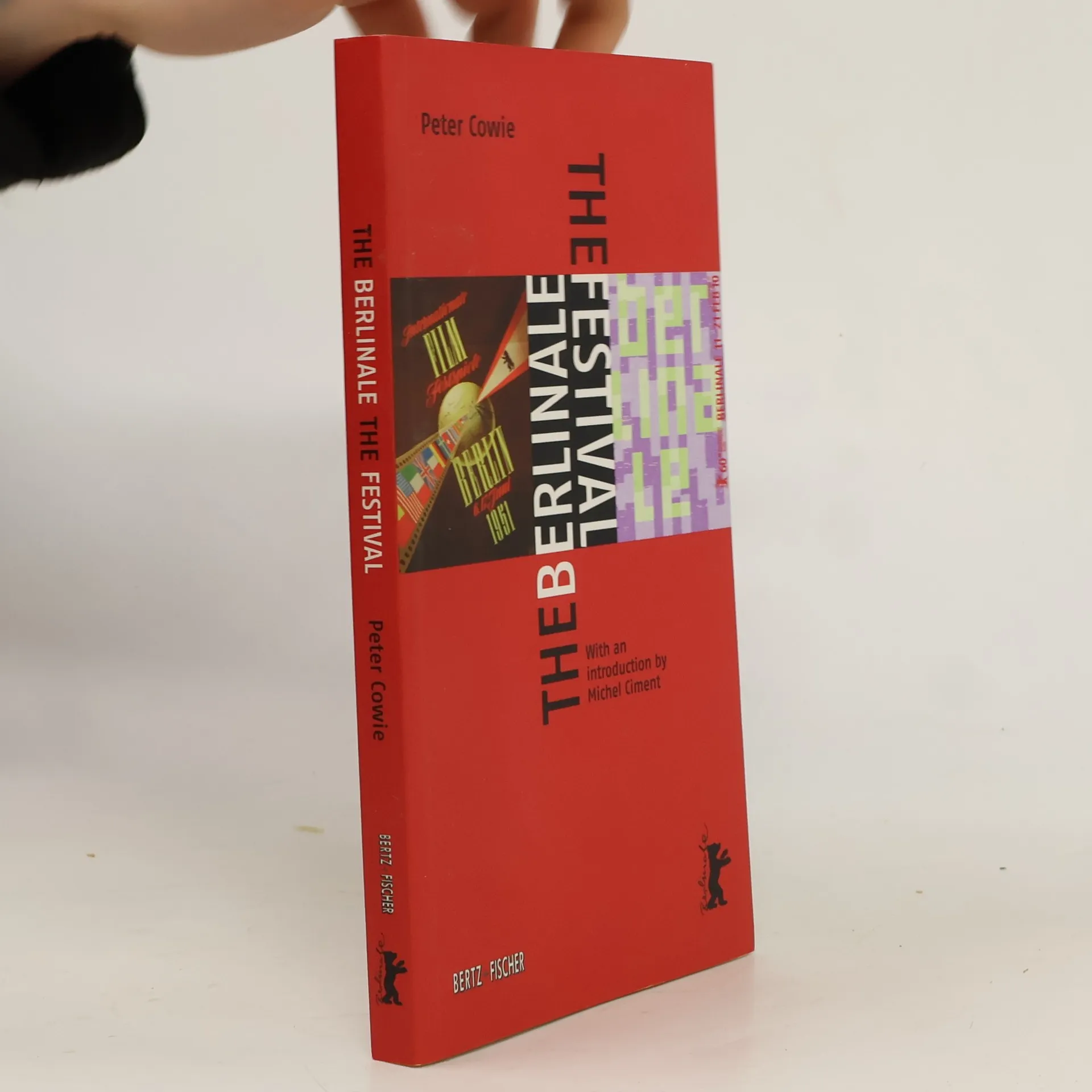
No international author knows the Berlinale quite like British journalist Peter Cowie. In this book, released on the occasion of the 60th Berlin International Film Festival in February 2010, he looks back to the past while shining a spotlight on the extraordinary present-day vitality of the festival. Starting with the first Berlinale in 1951 at the Titania Palast in Steglitz, which opened with Hitchcock’s REBECCA; through the first appointed international jury in 1956, the heated political discussions of the early 70s, the establishment of the International Forum of New Cinema and the Berlinale’s transfer from summer to February (1978); all the way to the festival’s relocation to Potsdamer Platz in 2000 and the innovations that came under the festival’s only four Directors. Peter Cowie also wonders what the film festival of the future will look like and he presents a thorough and entertaining look into the individual sections and initiatives of the Berlinale, a festival that is much more than just one of the world’s most important film competitions and the Red Carpet.
Zakup książki
The Berlinale, Peter Cowie
- Język

- Rok wydania
- 2010
- Oprawa
- (miękka)
Metody płatności
Brakuje nam tutaj Twojej recenzji.
- Tytuł
- The Berlinale
- Język
- angielski
- Autorzy
- Peter Cowie
- Wydawca
- Bertz + Fischer
- Rok wydania
- 2010
- Oprawa
- miękka
- Liczba stron
- 143
- ISBN10
- 3865052037
- ISBN13
- 9783865052032
- Seria
- Kategorie
- Ocena
- 3,35 z 5
- Opis
- No international author knows the Berlinale quite like British journalist Peter Cowie. In this book, released on the occasion of the 60th Berlin International Film Festival in February 2010, he looks back to the past while shining a spotlight on the extraordinary present-day vitality of the festival. Starting with the first Berlinale in 1951 at the Titania Palast in Steglitz, which opened with Hitchcock’s REBECCA; through the first appointed international jury in 1956, the heated political discussions of the early 70s, the establishment of the International Forum of New Cinema and the Berlinale’s transfer from summer to February (1978); all the way to the festival’s relocation to Potsdamer Platz in 2000 and the innovations that came under the festival’s only four Directors. Peter Cowie also wonders what the film festival of the future will look like and he presents a thorough and entertaining look into the individual sections and initiatives of the Berlinale, a festival that is much more than just one of the world’s most important film competitions and the Red Carpet.