


Parametry
Więcej o książce
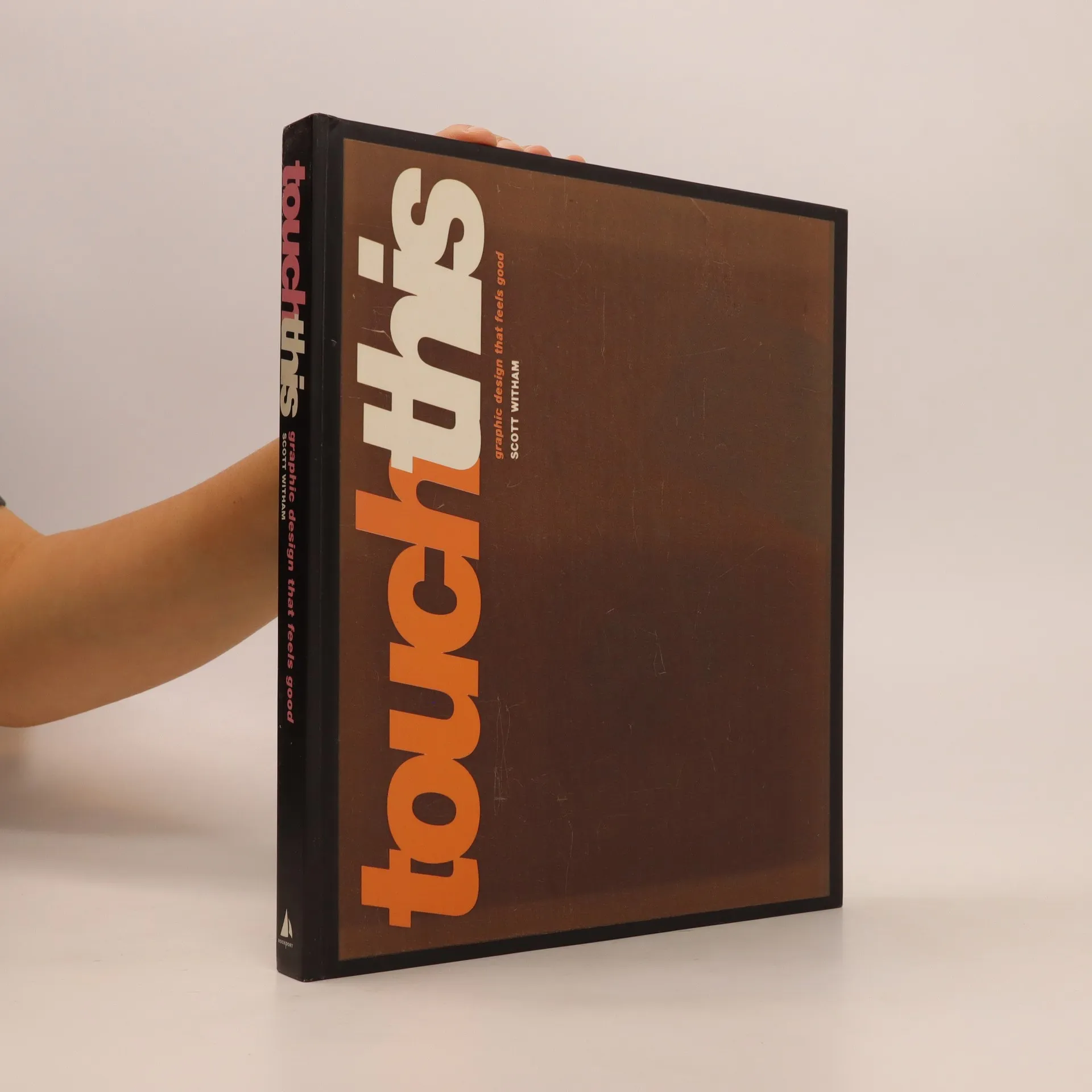
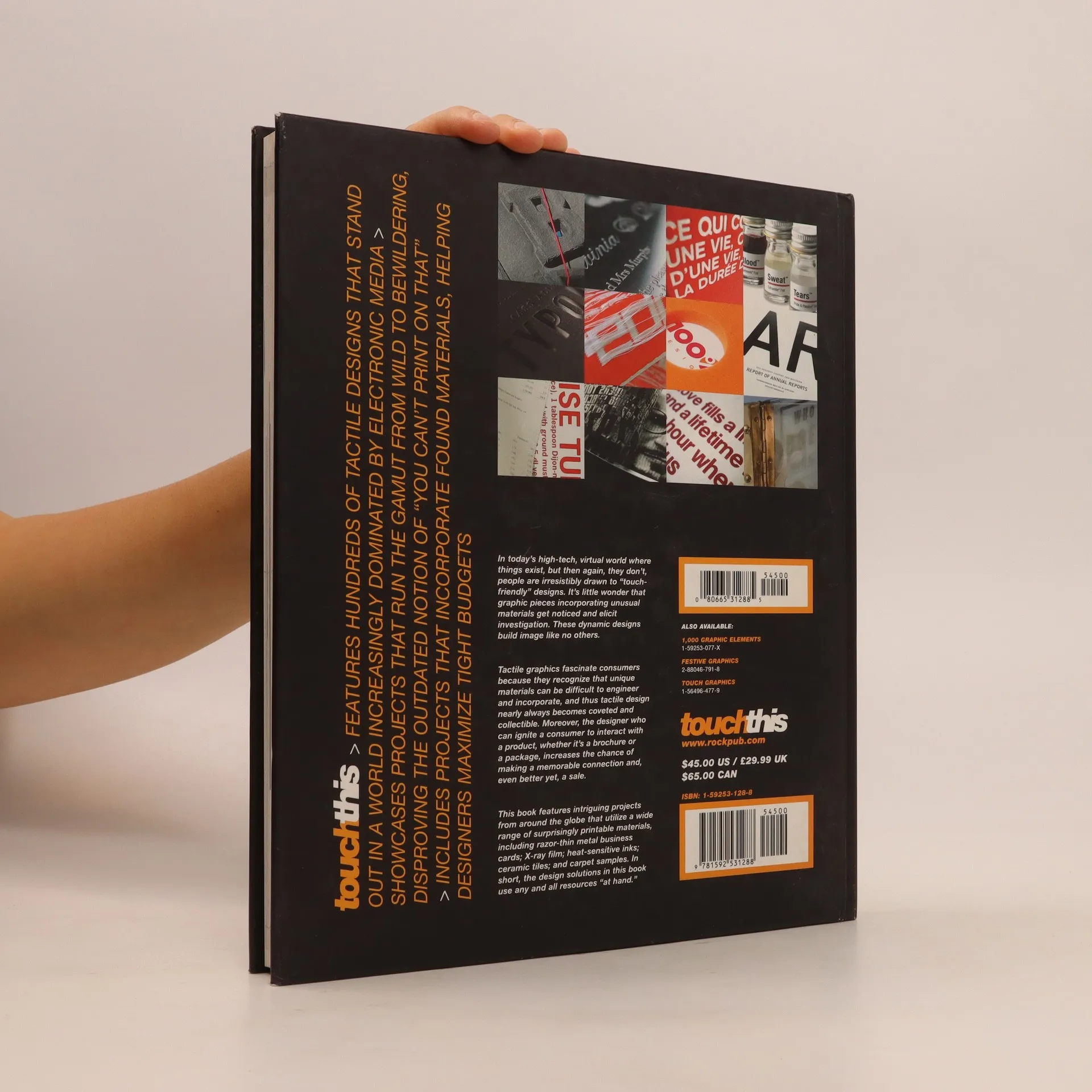
In today's high-tech, virtual world where things exist, but then again, they don't, people are drawn irresistibly to "touch-friendly" designs. It's little wonder that graphic design that use unusual materials to call out to be touched get noticed and build image like no others. Design on nontraditional materials attracts both designers and consumers. The subject fascinates consumers because they recognize that unique materials can be difficult to engineer and incorporate, and thus tactile design nearly always becomes coveted and collectible. Moreover, the designer who can get a consumer to interact with a product, whether it's a brochure or a package, increases the chance of making a memorable connection and, even better yet, a sale. This book features intriguing projects that incorporate a gamut of "you can't print on that" materials, including pleated, Issey Miyake-type forms and razor thin metal business cards; x-ray film; heat sensitive inks; ceramic tiles; and carpet samples. In short, there are design solutions in this book that use any and everything except plain paper.
Zakup książki
Touch This. Graphic Design That Feels Good, Scott Witham
- Język

- Rok wydania
- 2006
- Oprawa
- (twarda)
Metody płatności
Brakuje nam tutaj Twojej recenzji.
- Tytuł
- Touch This. Graphic Design That Feels Good
- Język
- angielski
- Autorzy
- Scott Witham
- Wydawca
- Rockport Publishers
- Rok wydania
- 2006
- Oprawa
- twarda
- ISBN10
- 1592531288
- ISBN13
- 9781592531288
- Seria
- Tagi
- Ocena
- 4,15 z 5
- Opis
- In today's high-tech, virtual world where things exist, but then again, they don't, people are drawn irresistibly to "touch-friendly" designs. It's little wonder that graphic design that use unusual materials to call out to be touched get noticed and build image like no others. Design on nontraditional materials attracts both designers and consumers. The subject fascinates consumers because they recognize that unique materials can be difficult to engineer and incorporate, and thus tactile design nearly always becomes coveted and collectible. Moreover, the designer who can get a consumer to interact with a product, whether it's a brochure or a package, increases the chance of making a memorable connection and, even better yet, a sale. This book features intriguing projects that incorporate a gamut of "you can't print on that" materials, including pleated, Issey Miyake-type forms and razor thin metal business cards; x-ray film; heat sensitive inks; ceramic tiles; and carpet samples. In short, there are design solutions in this book that use any and everything except plain paper.