


Więcej o książce
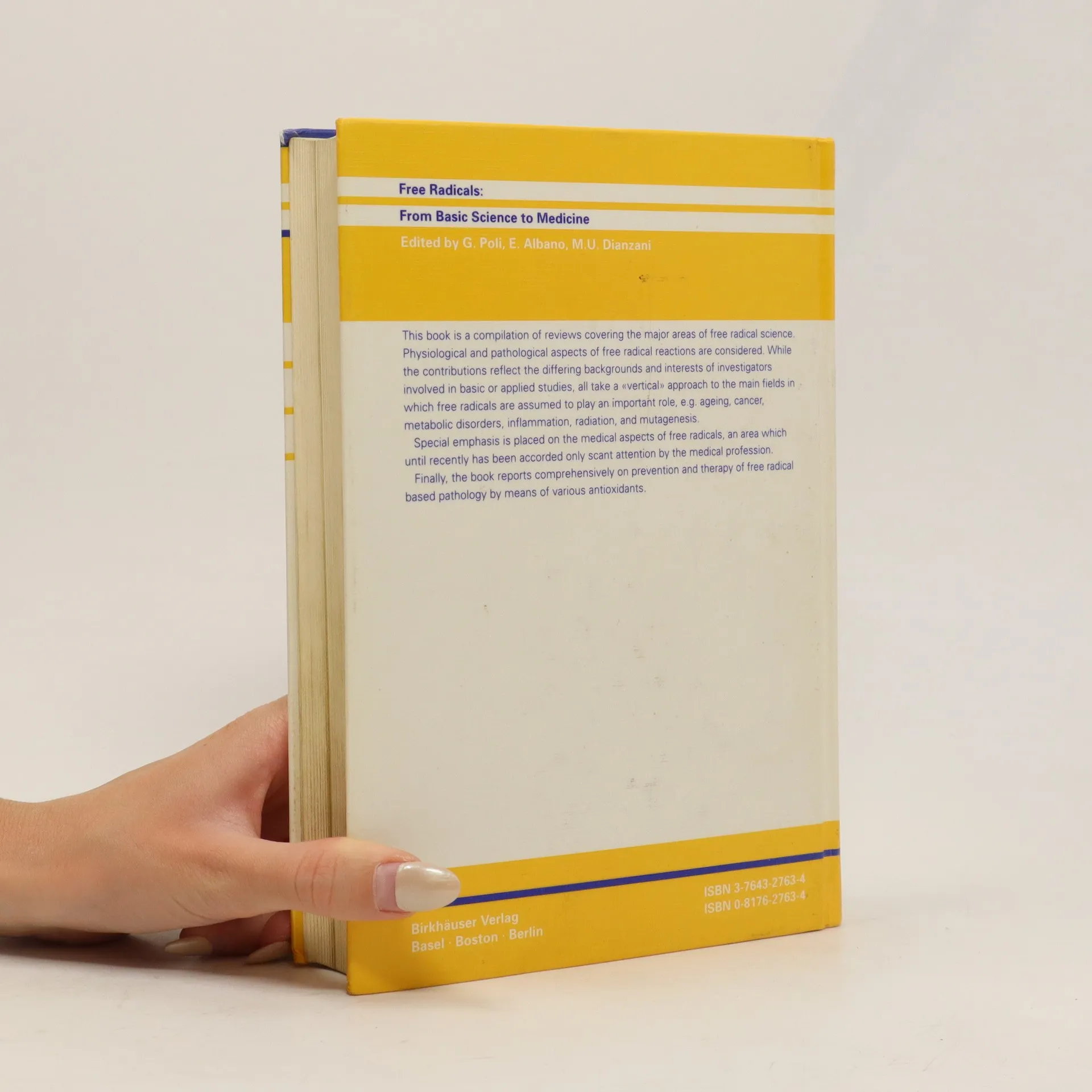
Free radical-mediated reactions have long been recognized in chemistry and physical chemistry. Biochemists have demonstrated that reactive free radicals are generated at numerous intracellular sites during normal metabolism, suggesting their potential roles in various pathological processes, including radiation damage, xenobiotic metabolism, carcinogenesis, and metabolic disorders. A substantial body of experimental evidence now supports the idea that reactive free radicals contribute to the pathogenesis of several diseases and syndromes, capturing the attention of the biomedical community. Anticipated advancements in radical research are likely to enhance the connection between basic science and medicine. Although defining the role of free radicals in human pathology is challenging, establishing this interaction is crucial. These considerations motivated the organization of the VI Biennial Meeting of the International Society for Free Radical Research in Torino, Italy, in June 1992, as well as the preparation of this volume. Experts in various aspects of free radical research were invited to participate in the meeting and contribute chapters, reflecting the collaborative effort to advance understanding in this vital area of study.
Zakup książki
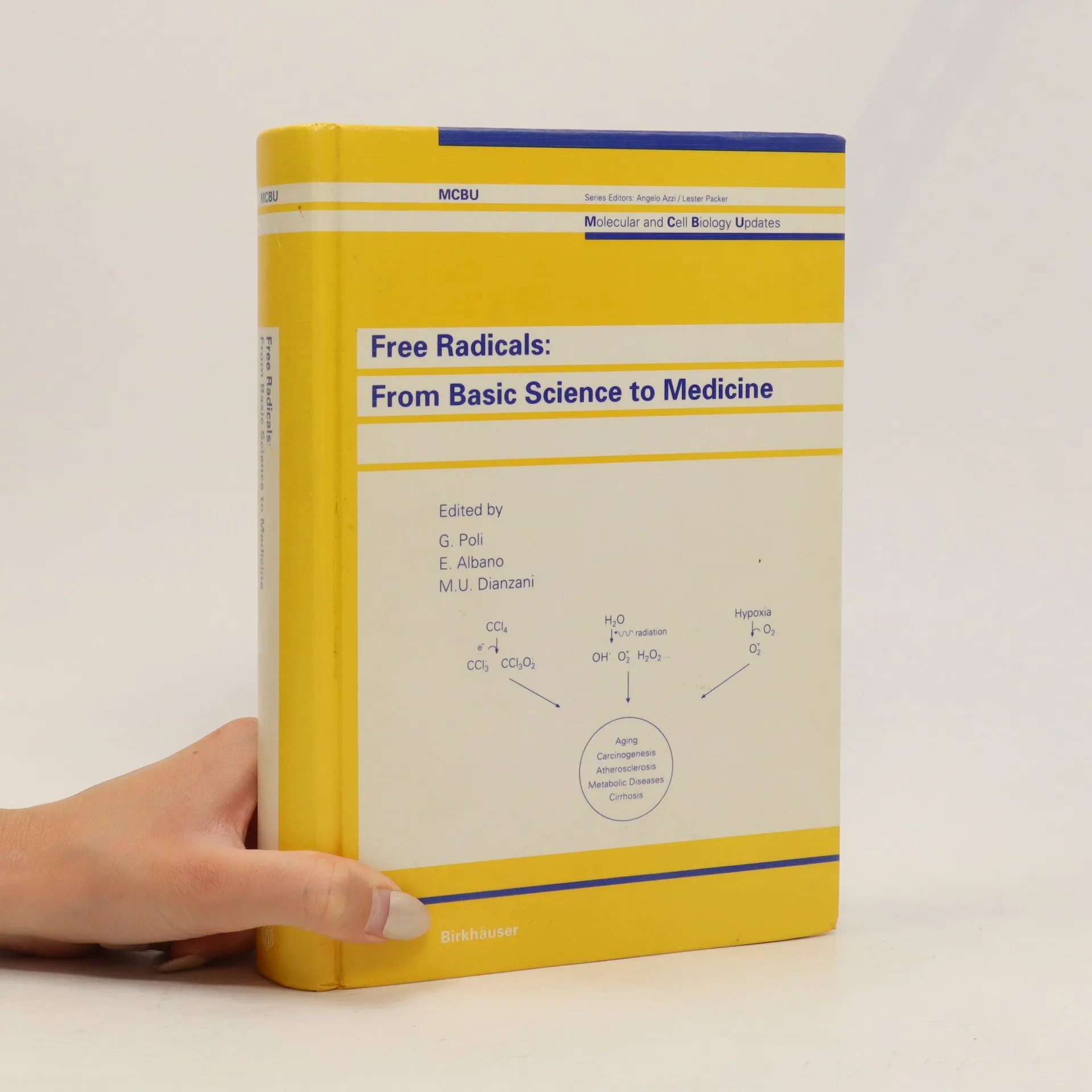
Free Radicals: from Basic Science to Medicine, Mario Umberto Dianzani, E. Albano, Giuseppe Poli
- Język

- Rok wydania
- 1993
- Oprawa
- (twarda)
Metody płatności
Nikt jeszcze nie ocenił.
- Tytuł
- Free Radicals: from Basic Science to Medicine
- Język
- angielski
- Autorzy
- Mario Umberto Dianzani, E. Albano, Giuseppe Poli
- Wydawca
- Birkhäuser
- Rok wydania
- 1993
- Oprawa
- twarda
- Liczba stron
- 528
- ISBN10
- 3764327634
- ISBN13
- 9783764327637
- Seria
- Opis
- Free radical-mediated reactions have long been recognized in chemistry and physical chemistry. Biochemists have demonstrated that reactive free radicals are generated at numerous intracellular sites during normal metabolism, suggesting their potential roles in various pathological processes, including radiation damage, xenobiotic metabolism, carcinogenesis, and metabolic disorders. A substantial body of experimental evidence now supports the idea that reactive free radicals contribute to the pathogenesis of several diseases and syndromes, capturing the attention of the biomedical community. Anticipated advancements in radical research are likely to enhance the connection between basic science and medicine. Although defining the role of free radicals in human pathology is challenging, establishing this interaction is crucial. These considerations motivated the organization of the VI Biennial Meeting of the International Society for Free Radical Research in Torino, Italy, in June 1992, as well as the preparation of this volume. Experts in various aspects of free radical research were invited to participate in the meeting and contribute chapters, reflecting the collaborative effort to advance understanding in this vital area of study.