

Więcej o książce
Global trade is crucial for citizens and policymakers, yet it is often misunderstood. This concise exploration of the market forces behind international commerce addresses the concerns of both groups, as well as students and scholars. Without using equations, it maintains a mathematical elegance and precision in its expression. The text thoroughly explains the factors shaping the international organization of production and distribution, along with the resulting trade flows. It traces the evolution of knowledge in this field from Adam Smith to the present, highlighting the process of theoretical modeling, data accumulation, and the revision of analytical frameworks in response to new evidence and changing circumstances. The book clarifies the sources of comparative advantage and how they lead countries to specialize in certain products for trade. While foreign trade enhances national welfare, it also creates winners and losers, with mechanisms that affect income distribution. It offers a clear account of the trade theory revolutions of the 1980s and the recent decade, illustrating the shift from sectoral to business-firm level analysis. This shift elucidates the increasing roles of multinational corporations, offshoring, and outsourcing in the international division of labor, making the author's insights on recent research findings vital for understanding world affairs.
Zakup książki
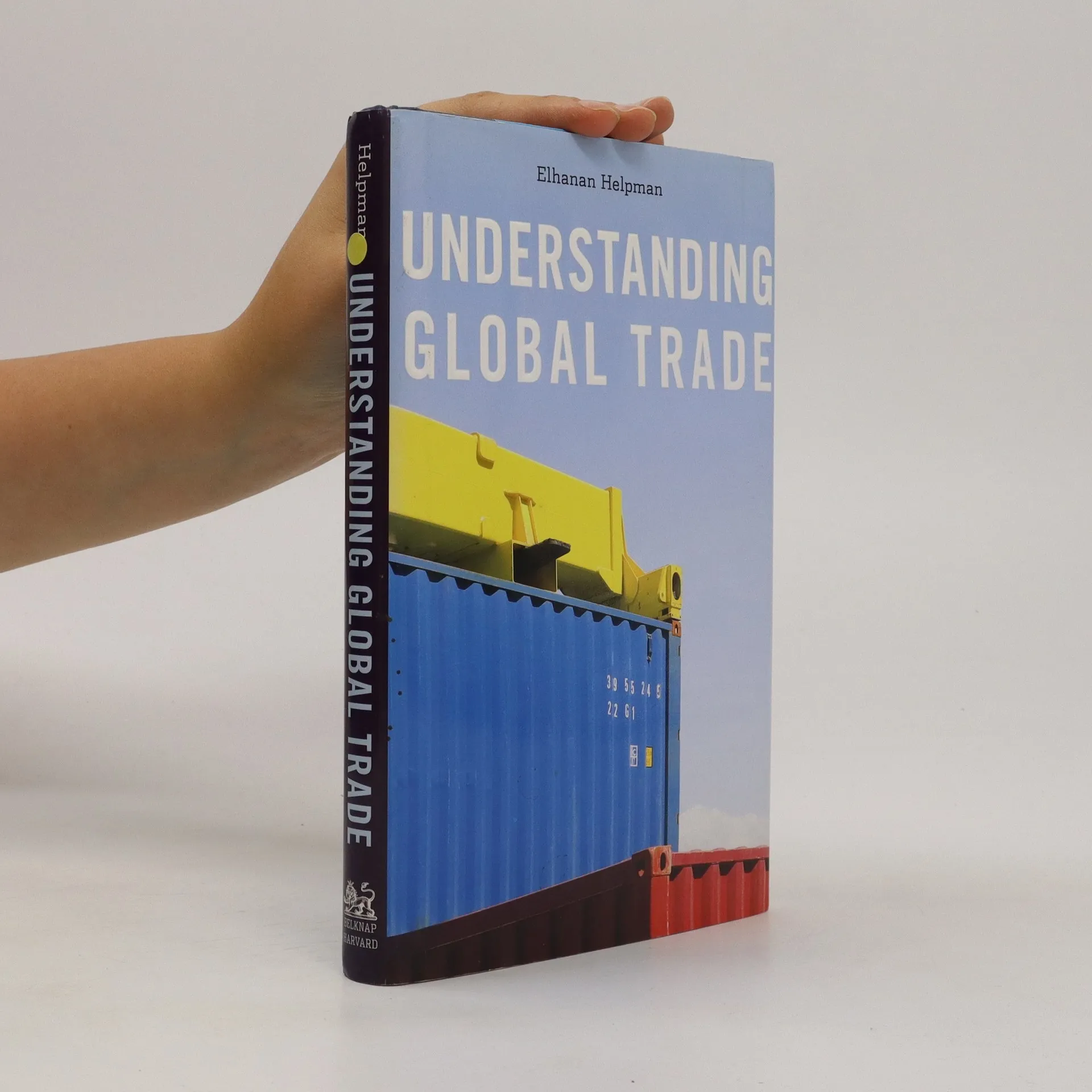
Understanding Global Trade, Elhanan Helpman
- Język

- Rok wydania
- 2011
- Oprawa
- (twarda)
Metody płatności
Brakuje nam tutaj Twojej recenzji.
- Tytuł
- Understanding Global Trade
- Język
- angielski
- Autorzy
- Elhanan Helpman
- Rok wydania
- 2011
- Oprawa
- twarda
- Liczba stron
- 222
- ISBN10
- 0674060784
- ISBN13
- 9780674060784
- Seria
- Tagi
- Biznes
- Ocena
- 3,7 z 5
- Opis
- Global trade is crucial for citizens and policymakers, yet it is often misunderstood. This concise exploration of the market forces behind international commerce addresses the concerns of both groups, as well as students and scholars. Without using equations, it maintains a mathematical elegance and precision in its expression. The text thoroughly explains the factors shaping the international organization of production and distribution, along with the resulting trade flows. It traces the evolution of knowledge in this field from Adam Smith to the present, highlighting the process of theoretical modeling, data accumulation, and the revision of analytical frameworks in response to new evidence and changing circumstances. The book clarifies the sources of comparative advantage and how they lead countries to specialize in certain products for trade. While foreign trade enhances national welfare, it also creates winners and losers, with mechanisms that affect income distribution. It offers a clear account of the trade theory revolutions of the 1980s and the recent decade, illustrating the shift from sectoral to business-firm level analysis. This shift elucidates the increasing roles of multinational corporations, offshoring, and outsourcing in the international division of labor, making the author's insights on recent research findings vital for understanding world affairs.